
Perry Sachs Mystery Books in Order
Part ofAlton Gansky Books in OrderFollow the Perry Sachs Mystery series by Alton Gansky in order, with short summaries, series background, and helpful notes on where to start.
Last updated:
As an Amazon Associate, we earn from qualifying purchases (at no extra cost to you).
Perry Sachs Mystery books in publication order
3 books
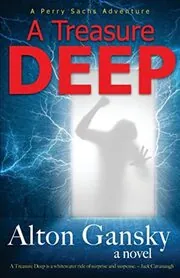
A Treasure Deep
by Alton Gansky
2003
Engineer Perry Sachs joins an excavation near Tejon, California, where ancient treasure lies behind traps, murder, and competing agendas. What they uncover could change more than one life.
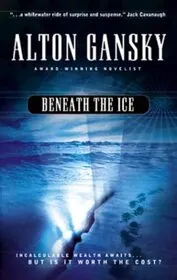
Beneath the Ice
by Alton Gansky
2004
Perry Sachs leads a brutal Antarctic excavation after a mysterious object is found miles beneath the ice. Hostile forces, savage weather, and the discovery itself turn the job into a fight to get out alive.
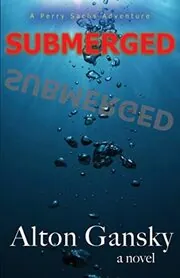
Submerged
by Alton Gansky
2014
When Perry Sachs's father falls mysteriously ill, Perry traces the problem to a flooded underground base buried in old secrets. Saving Henry means uncovering what was hidden there decades ago.
Perry Sachs Mystery books in chronological order
Series background & context
The Perry Sachs books sit at the crossroads of engineering thriller, archaeological adventure, and faith-driven suspense. Perry is not a relic hunter in the swashbuckling sense. He is an engineer and project leader, the kind of man who thinks in terms of structure, logistics, equipment, and how to solve a problem without getting everyone killed. That practical streak gives these novels their shape.
In A Treasure Deep, Perry is drawn into an excavation near Tejon, California, where clues point toward an ancient treasure buried with traps, danger, and more than one modern agenda wrapped around it. The appeal of the book is not just the promise of what might be underground. It is the way Gansky makes the dig itself feel physical. Dirt, machinery, maps, nerves, greed, and murder all crowd the same work site.
Beneath the Ice widens the scale and hardens the setting. Perry and his crew head to Antarctica to investigate a mysterious object buried miles below the ice during the polar winter. This is still an excavation story, but now the environment is one of the villains. Cold, isolation, unstable conditions, and hostile human opposition all press in at once. The deeper Perry goes, the more the series shows its fondness for big ideas hidden under brutal terrain.
These are adventure novels with hard hats.
What keeps the series from turning into pure puzzle-box action is the personal weight Perry brings into it. He is competent, but he is not invulnerable. In Submerged, the danger becomes even more intimate when his father Henry falls gravely ill, and Perry begins tracing the sickness back to a secret underground base that was flooded long ago to keep something, or someone, from ever returning. That book ties the series' taste for buried places directly to family history, which gives the mystery more emotional bite.
Across the three books, the pattern is clear. Perry keeps taking jobs that look impossible on paper and then discovering they are morally messy as well as physically dangerous. Ancient secrets, powerful enemies, old research, and hidden structures all matter, but so do loyalty, grief, and the question of what people will risk for knowledge or power. Gansky likes to put smart people in environments where no amount of planning fully protects them.
If you want adventure stories that trade on excavation, remote settings, and the tension between scientific curiosity and spiritual questions, this series is an easy fit. Read the books in order if you can. The scale grows, the mysteries deepen, and Perry's world becomes more personal as it goes. By the end, the series feels less like three disconnected hunts and more like one man's long education in how dangerous buried truths can be.






Edited by
Software engineer whose passion for tracking book recommendations from podcasts inspired the creation of MRB.
Lead investor at 3one4 Capital whose startup expertise and love for books helped shape MRB and its growth.
Comments
Did we miss something? Have feedback?
Help us improve this page by sharing your thoughts