
Paul Hattaway Books in Order
Browse Paul Hattaway books in order, with quick summaries, where to start tips, and background on his writing about China and the wider Asian church.
Last updated:
As an Amazon Associate, we earn from qualifying purchases (at no extra cost to you).
Paul Hattaway books in publication order
14 books
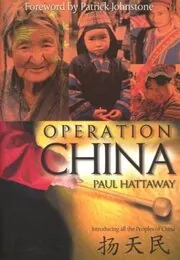
Operation China
by Paul Hattaway
2000
A sweeping reference guide to China's 490 people groups, packed with profiles, maps, photos, and prayer material. It is less a straight narrative than a field manual for understanding the country's ethnic and spiritual landscape.
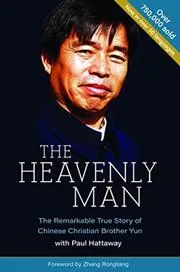
The Heavenly Man
by Paul Hattaway
2000
This is Brother Yun's life story, from a poor village in Henan to prison cells, escapes, and leadership in China's house church movement. Paul Hattaway shapes it into a fast, direct account of suffering, endurance, and faith.
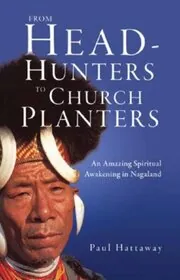
From Head-hunters to Church Planters
by Paul Hattaway
2001
Hattaway tells the story of revival in Nagaland, where communities once known for head-hunting were transformed by Christian faith. It is a compact history of conversion, courage, and the hard work of building churches after the first wave of change.
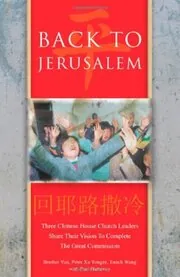
Back to Jerusalem
by Paul Hattaway
2003
This book explains the Back to Jerusalem vision through the voices of Chinese house church leaders, including Brother Yun, Peter Xu, and Enoch Wang. It blends testimony, history, and mission strategy as they describe carrying the gospel westward from China.
Peoples of the Buddhist World
by Paul Hattaway
2004
Part prayer guide and part reference book, this volume profiles more than 200 Buddhist peoples across Asia and beyond. It gives readers snapshots of culture, location, and spiritual background while keeping the focus on informed, practical prayer.
China's Book of Martyrs
by Paul Hattaway
2007
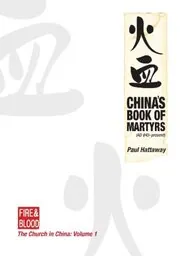
This larger companion volume tracks Christian martyrdom in China from the early church to the modern era, province by province. It is built for readers who want a deep archive of profiles, dates, sources, and the wider story around them.
China's Christian Martyrs
by Paul Hattaway
2007
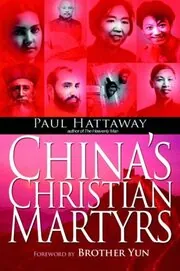
Hattaway gathers the lives and deaths of more than a thousand Christians killed in China, arranged in chronological order with historical context. It reads like a memorial and a history at once, with letters, testimonies, and stark detail.
Henan
by Paul Hattaway
2009
A detailed history of Christianity in Henan, the province often linked with China's modern house church revival. Hattaway follows Catholic, Protestant, and house church stories together, showing both explosive growth and the heavy cost paid by believers.
An Asian Harvest
by Paul Hattaway
2017
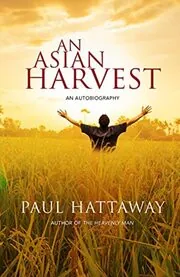
Hattaway's memoir begins with a hard youth in New Zealand and homelessness in Australia, then follows his conversion and years as a Bible courier into China. It is the most personal entry point into his life, work, and calling.
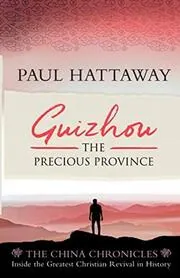
Guizhou
by Paul Hattaway
2018
Set in one of China's most ethnically diverse provinces, this history follows missionaries, minority communities, and local believers across generations. Hattaway pays close attention to persecution, cultural difference, and the slow, uneven spread of Christianity in Guizhou.
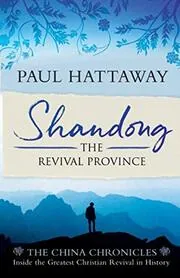
Shandong
by Paul Hattaway
2018
This volume traces the church in Shandong from early missionaries to modern revival movements and house churches. Hattaway tells the story decade by decade, mixing regional history with vivid portraits of believers, pastors, and times of persecution.
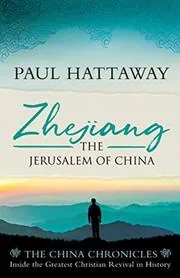
Zhejiang
by Paul Hattaway
2019
Zhejiang looks at the province sometimes called the Jerusalem of China, where church growth has been unusually strong despite repeated crackdowns. The book combines long-range history with stories of sacrifice, revival, and the rise of places like Wenzhou.
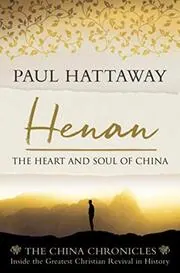
Henan
by Paul Hattaway
2020
This later Henan volume revisits the province as the spiritual heart of Chinese Christianity, with updated stories of growth, suffering, and endurance. It is a strong place to start if you want Hattaway's newer China Chronicles approach.
Tibet
by Paul Hattaway
2020
Hattaway surveys the long, difficult history of Christianity in Tibet, from early missions to the tiny number of Tibetan believers today. The book stands out for its sense of place, with mountains, distance, and isolation shaping every part of the story.
Where to start with Paul Hattaway
If you want the book most people start with: The Heavenly Man
If you want Paul's own story: An Asian Harvest
If you want the big picture on China's peoples and churches: Operation China → Back to Jerusalem
If you want his regional church histories: Shandong → Guizhou → Zhejiang → Tibet
Paul Hattaway collections, short stories, and related book types
Non-Fiction
by Paul Hattaway
2003Three Chinese House Church Leaders Share Their Vision to Complete the Great Commission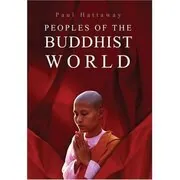

by Paul Hattaway
2020The Heart and Soul of China. Inside the Greatest Christian Revival in History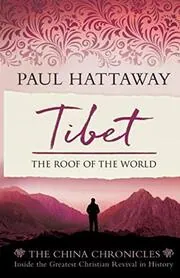
Author bio
Paul Hattaway was born and raised in New Zealand, and left home at sixteen. Before he wrote books about China and the wider Asian church, he spent a rough stretch in Australia, doing odd jobs and sleeping rough at times while trying to work out what to do with his life.
Everything changed in 1987.
That was the year he became a Christian after a coworker invited him to church. Soon after, he felt drawn toward China. In 1988 he arrived in Hong Kong with a backpack, a single contact, and a small amount of money, and before long he was carrying Bibles across the border for believers who had little access to them.
That border-crossing work shaped the rest of his life. It also gave him something many writers never get, years of first-hand contact with pastors, evangelists, and house church networks whose stories were rarely told outside China. Hattaway gradually became known less as an outside commentator and more as a careful listener with a long memory.
Then came the books.
Many readers first meet him through The Heavenly Man, the life story of Brother Yun. That book follows prison, persecution, escape, and stubborn faith in China's house church movement, and it helped introduce many readers to stories they had never heard before. Hattaway later wrote Back to Jerusalem, which explores the missionary vision carried by some Chinese house church leaders, and Operation China, a major reference work on the country's many people groups.
He also widened the lens. Peoples of the Buddhist World gathers profiles of Buddhist communities across Asia, while From Head-hunters to Church Planters looks at revival in Nagaland. In China's Christian Martyrs and China's Book of Martyrs, he turns to long-form historical research, collecting lives, letters, and episodes of suffering that stretch across centuries. These books are not light reading, but they show the two sides of his work, storyteller and researcher.
His own memoir, An Asian Harvest, pulls the camera back onto his life. It follows the road from New Zealand teenager to Bible courier, missionary, and founder of Asia Harvest, a ministry he traces back to a life-changing experience in Nepal in 1991. The organization went on to support local missionaries and distribute millions of Bibles across Asia, including more than 10 million in China.
A lot of Hattaway's work circles the same themes. Hidden churches. Remote people groups. Costly faith. The spread of Christianity under pressure. He writes often about places like Henan, Shandong, Guizhou, Zhejiang, and Tibet, not as abstract regions on a map, but as places filled with local histories, rival movements, ordinary believers, and hard choices. In the China Chronicles volumes, he follows growth decade by decade, from early missionaries to modern house churches.
Hattaway still leads Asia Harvest and keeps a low public profile because of the sensitive nature of the work he has been involved in for decades. That suits the tone of his writing. He rarely places himself at the center for long. Even in his own memoir, the stronger pull is toward the people he met, the churches he served, and the stubborn hope that runs through all of his books.

















Edited by
Software engineer whose passion for tracking book recommendations from podcasts inspired the creation of MRB.
Lead investor at 3one4 Capital whose startup expertise and love for books helped shape MRB and its growth.
Comments
Did we miss something? Have feedback?
Help us improve this page by sharing your thoughts