
Patricia Highsmith Books in Order
Browse Patricia Highsmith books in order, with quick summaries, Ripley series notes, author background, and simple advice on where to start reading.
Last updated:
As an Amazon Associate, we earn from qualifying purchases (at no extra cost to you).
Patricia Highsmith books in publication order
37 books
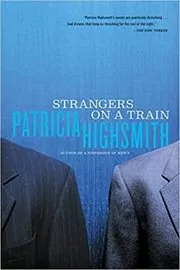
Strangers on a Train
by Patricia Highsmith
1950
On a train ride, architect Guy Haines hears a rich stranger's idea for the perfect crime: trade murders so motive disappears. When Bruno acts on the plan, Guy is pulled into a tightening web of guilt, fear, and complicity.
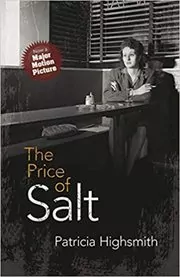
The Price of Salt
by Patricia Highsmith
1952
Young set designer Therese Belivet meets elegant, older Carol Aird in a department store and falls hard. Their relationship offers tenderness and risk in 1950s America, and the novel's emotional directness still feels fresh.
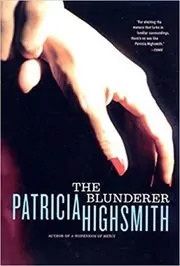
The Blunderer
by Patricia Highsmith
1954
Lawyer Walter Stackhouse becomes obsessed with a murderer in the news while trying to escape his own miserable marriage. As suspicion, desire, and bad choices pile up, Highsmith shows how an ordinary man can slide toward ruin.
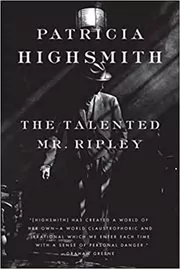
The Talented Mr. Ripley
by Patricia Highsmith
1955
Sent to Italy to bring home a wealthy man's son, Tom Ripley is dazzled by Dickie Greenleaf's life and decides he wants it for himself. Highsmith turns envy, performance, and reinvention into one of her sharpest psychological thrillers.
Recommended by
1 person Tavi Gevinson recommended this book
Tavi Gevinson
"It zeroes in on a desire so strong that it becomes the desire to murder and replace." - Tavi Gevinson
Tavi Gevinson's recommendation of this book
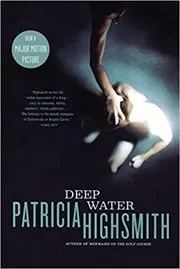
Deep Water
by Patricia Highsmith
1957
Vic and Melinda Van Allen stay in a poisoned marriage that runs on jealousy, public affairs, and quiet humiliations. In their small town, teasing remarks about murder stop sounding like jokes, and the tension becomes unbearable.
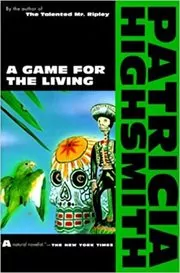
A Game for the Living
by Patricia Highsmith
1958
In Mexico, two very different men are linked by the same woman and by the mystery of her murder. Their uneasy alliance becomes a tense chase through cities and small towns, with grief and suspicion dogging every step.
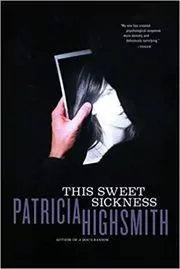
This Sweet Sickness
by Patricia Highsmith
1960
Scientist David Kelsey lives a double life built around his fantasy that Annabelle will one day return to him. Highsmith makes his self-deception painfully believable, then lets it tip into obsession and violence.
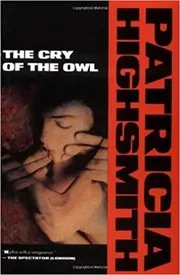
The Cry of the Owl
by Patricia Highsmith
1962
Lonely Robert Forester watches a young woman through her kitchen window, telling himself it is harmless. Once he enters her life, everything turns against him, and the novel becomes a chilling study of suspicion and bad luck.
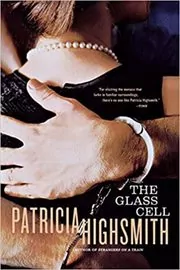
The Glass Cell
by Patricia Highsmith
1964
Philip Carter is innocent, but prison changes him anyway. After six brutal years behind bars, he returns home to a life marked by suspicion, betrayal, and the fear that the damage done to him may be permanent.
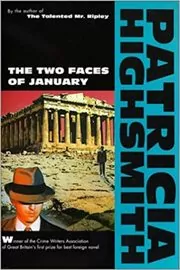
The Two Faces of January
by Patricia Highsmith
1964
In Athens, drifting American Rydal Keener helps con man Chester MacFarland hide a body and is drawn to Chester's younger wife, Colette. Their flight across Greece becomes a tense triangle of desire, lies, and mutual distrust.
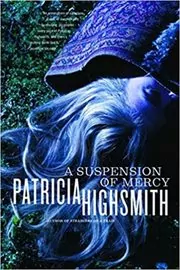
A Suspension of Mercy
by Patricia Highsmith
1965
Writer Sydney Bartleby loves inventing murder plots and joking about his missing wife a little too much. When real death enters the picture, Highsmith blurs performance and confession until no one, including Sydney, feels trustworthy.
Plotting and Writing Suspense Fiction
by Patricia Highsmith
1966
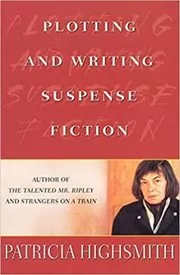
Highsmith's craft book is part practical guide, part window into how she thought about stories. She writes about ideas, structure, character, and tension in a blunt, useful voice, with a case study drawn from her own work.
Those Who Walk Away
by Patricia Highsmith
1967
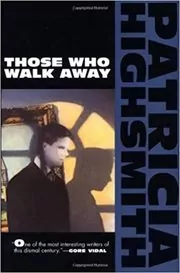
After his wife dies by suicide in Rome, Ray Garrett survives an attack by his furious father-in-law and follows him to Venice. What follows is a bleak cat-and-mouse duel between grief, guilt, vengeance, and obsession.
Nothing That Meets the Eye
by Patricia Highsmith
1968
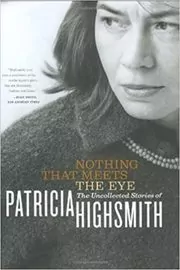
This posthumous collection gathers previously uncollected Patricia Highsmith stories, from early pieces to later, sharper work. The range is wide, but the mood is familiar: quiet menace, skewed desire, and sudden cruelty.
The Tremor of Forgery
by Patricia Highsmith
1969
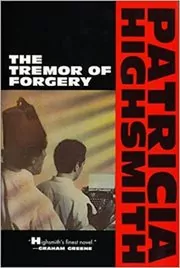
American writer Howard Ingham arrives in Tunisia to work on a film script and waits for instructions that may never come. In the heat and uncertainty, his moral bearings begin to shift in subtle, unsettling ways.
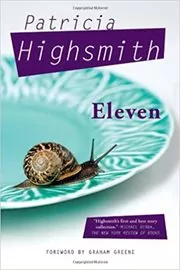
Eleven
by Patricia Highsmith
1970
This early story collection shows Highsmith in miniature: sly, cruel, funny, and deeply alert to obsession. The pieces range from domestic unease to outright horror, including some of her best-known short fiction.
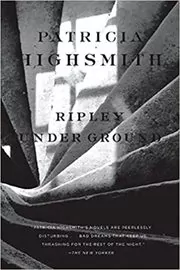
Ripley Under Ground
by Patricia Highsmith
1970
Tom Ripley now lives comfortably in France and helps prop up an art forgery scheme built on a dead painter's reputation. When a collector starts asking the wrong questions, Ripley moves from charm to murder with unnerving ease.
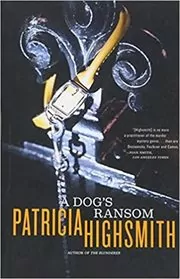
A Dog's Ransom
by Patricia Highsmith
1972
When Ed and Greta Reynolds' beloved dog is kidnapped, the case seems simple enough: pay and get her back. Highsmith uses that small crime to unravel a whole social world of nerves, malice, and collateral damage.
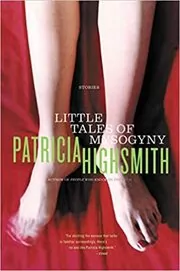
Little Tales of Misogyny
by Patricia Highsmith
1974
These very short darkly comic stories turn women into exaggerated social types, then push each sketch toward cruelty or absurdity. The result is satirical, mean, and intentionally uncomfortable, even by Highsmith's standards.
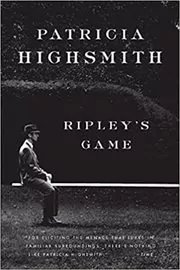
Ripley's Game
by Patricia Highsmith
1974
Tom Ripley, settled in France, nudges a dying picture framer into murder after a social slight. What starts as revenge becomes a cold, strangely intimate thriller about manipulation, money, and how far an ordinary man can be pushed.
Recommended by
1 person Anthony Bourdain recommended this book
Anthony Bourdain
"Elegant, deliciously immoral entry in series of sociopath as hero." - Anthony Bourdain
Anthony Bourdain's recommendation of this book

The Animal-Lover's Book of Beastly Murder
by Patricia Highsmith
1975
In these stories, animals are not pets or symbols for long. Highsmith imagines a world where creatures strike back, and the collection mixes black humor, revenge, and her famously sour view of human behavior.
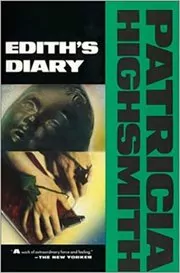
Edith's Diary
by Patricia Highsmith
1977
Edith Howland keeps a bright, hopeful diary even as her real life shrinks into disappointment, family strain, and isolation. The gap between the life on the page and the life she lives makes this one of Highsmith's saddest novels.
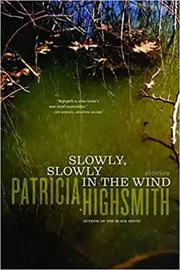
Slowly, Slowly in the Wind
by Patricia Highsmith
1979
This collection brings together stories about bad tempers, private fixations, and violence that arrives almost casually. Some lean realistic, some eerie, but all carry Highsmith's cool sense that danger lives close by.
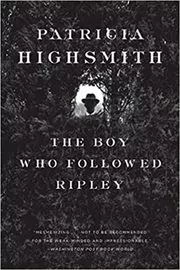
The Boy Who Followed Ripley
by Patricia Highsmith
1980
Tom Ripley takes in a troubled American teenager with a violent past and becomes oddly protective of him. Their trip through Europe turns into a kidnapping plot, a rescue mission, and one of the series' strangest emotional entanglements.
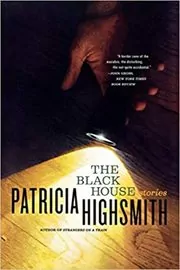
The Black House
by Patricia Highsmith
1981
These stories start with ordinary people and familiar settings, then let resentment, vanity, or fear rot everything underneath. It is a strong sample of Highsmith's short fiction, full of domestic menace and dry cruelty.
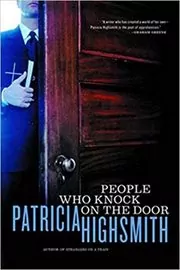
People Who Knock on the Door
by Patricia Highsmith
1983
In a small town, teenage Arthur's life is caught between his kind mother and his father's increasingly rigid born-again religion. Highsmith turns family conflict over sex, faith, and control into a slow, troubling tragedy.
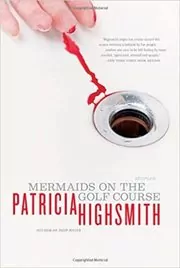
Mermaids on the Golf Course
by Patricia Highsmith
1984
This late collection ranges across murder, secrecy, and emotional distortion, often in seemingly calm social settings. The stories are varied, but the signature Highsmith effect remains the same: ordinary life tilted just enough to feel dangerous.
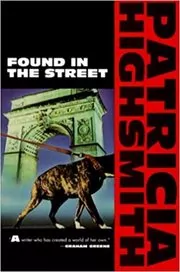
Found in the Street
by Patricia Highsmith
1986
Young waitress Elsie Tyler arrives in Greenwich Village and becomes the focus of several unstable desires. As a security guard, a married couple, and a whole downtown scene close in around her, obsession starts to look like fate.
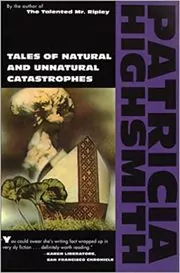
Tales of Natural and Unnatural Catastrophes
by Patricia Highsmith
1987
Highsmith's most openly comic collection plays disaster straight-faced and absurd at once. These stories imagine environmental collapse, bizarre accidents, and social foolishness with a dry, almost deadpan sense of doom.
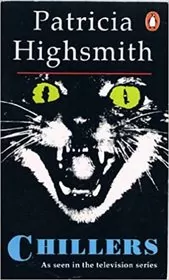
Chillers
by Patricia Highsmith
1990
This anthology gathers Highsmith stories of dread and disturbance in a brisk, concentrated form. Small fixations, chance encounters, and everyday nerves turn sinister with the cool control that defines her short fiction.
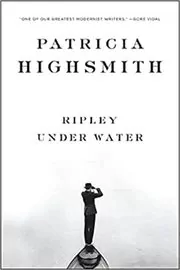
Ripley Under Water
by Patricia Highsmith
1991
Tom Ripley's quiet life in rural France is threatened when suspicious Americans start digging into an old art forgery. Highsmith turns their curiosity into a slow-burn battle of nerves, with Ripley protecting comfort at any cost.
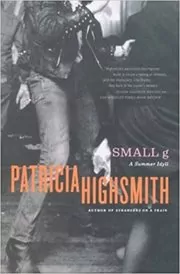
Small g
by Patricia Highsmith
1994
Set around a neighborhood bar in Zurich, this late novel follows a web of gay and straight regulars whose lives keep crossing. It is gentler than many Highsmith books, but still alert to secrecy, desire, and risk.
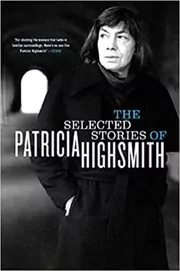
The Selected Stories of Patricia Highsmith
by Patricia Highsmith
2001
This large anthology draws from five of Highsmith's major story collections, bringing together bleak humor, animal revenge, and domestic dread in one place. It is one of the easiest ways to see her range in short form.

Sour Tales for Sweethearts
by Patricia Highsmith
2015
This slim volume offers a handful of Highsmith's most sourly funny short pieces. It works as a brisk introduction to her satirical side, where cruelty, caricature, and black humor are packed into just a few pages.
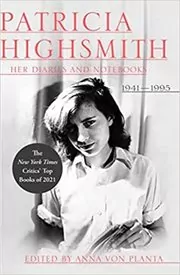
Patricia Highsmith: Her Diaries and Notebooks
by Patricia Highsmith
2021
Drawn from decades of journals and notebooks, this volume shows Highsmith thinking on the page about work, love, money, prejudice, and ambition. It is revealing, messy, and invaluable if you want the private mind behind the fiction.

Patricia Highsmith's Diaries and Notebooks
by Patricia Highsmith
2021
This later selection focuses on Highsmith's New York years in the 1940s, when she was a student, young writer, and determined observer of city life. It catches her before fame, already sharp, restless, and intensely self-aware.
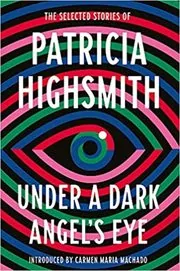
Under a Dark Angel's Eye
by Patricia Highsmith
2021
This selected stories volume gathers a wide sweep of Highsmith's short fiction, from twisted domestic scenes to outright menace. It is a strong one-book introduction to the chilly, funny, unsettling world she built in miniature.
Where to start with Patricia Highsmith
If you want the essential Highsmith: Strangers on a Train → The Talented Mr. Ripley → Deep Water
If you want Tom Ripley: The Talented Mr. Ripley → Ripley Under Ground → Ripley's Game → The Boy Who Followed Ripley
If you want obsession and domestic dread: Deep Water → This Sweet Sickness → The Cry of the Owl
If you want queer classic fiction: The Price of Salt
Patricia Highsmith sub-series and character series
Patricia Highsmith collections, short stories, and related book types
Short Story Collections
Non-Fiction
Standalone Patricia Highsmith books
Author bio
Patricia Highsmith was born Mary Patricia Plangman in Fort Worth, Texas, on January 19, 1921. Her parents separated before she was born, and much of her early childhood was split between Texas and New York. That feeling of being slightly apart from the room, watchful, wary, and self-protective, would stay with her and later become part of the charge of her fiction.
As a girl, she lived for a time with her grandmother, then moved to New York to live with her mother and stepfather, Stanley Highsmith, whose surname she took. She attended Julia Richman High School and read constantly, from adventure stories to psychology. One book that stayed with her early was Karl Menninger's The Human Mind, and her fascination with motive, compulsion, and unstable thinking never really left her work.
At Barnard College, where she graduated in 1942, Highsmith studied English, playwriting, and short story writing. After college she supported herself by writing for comic books, including the Black Terror series, while trying to build a life as a fiction writer in New York. She also kept the diaries and notebooks that became a lifelong habit. Her short story The Heroine won an O. Henry Award in 1946, an early sign that editors were paying attention.
Then cinema changed everything.
Her first novel, Strangers on a Train, appeared in 1950, and Alfred Hitchcock's film adaptation followed in 1951. It gave her a much wider audience, but it also fixed a pattern that would follow her for years: people came for the suspense and stayed for the stranger, harder psychology underneath. Two years later she published The Price of Salt, a love story between Therese Belivet and Carol Aird, under the name Claire Morgan. Later reissued as Carol, it stands apart in her catalog for its emotional openness and for giving queer love a future at a time when many novels of its kind did not.
She was never a cozy writer.
Readers often meet her through The Talented Mr. Ripley, the 1955 novel that introduced Tom Ripley, her smooth, unnerving antihero. But the Ripley books are only one part of the picture. Novels like Deep Water, This Sweet Sickness, and The Cry of the Owl show what Highsmith did so well: take jealousy, fantasy, shame, or a tiny social slight, and let it grow until a whole life starts leaning off balance. Her people are often ordinary on the surface, which is exactly what makes them disturbing.
In 1963 she moved permanently to Europe. She lived in England, then France, and later Switzerland, and many of her books carry that expatriate feeling of people drifting through borrowed rooms, hotels, train stations, and elegant places that never feel fully safe. European readers and filmmakers took to her work strongly. She loved cats, kept snails as pets, gardened seriously, and guarded her privacy even as her reputation grew.
Highsmith died in Switzerland on February 4, 1995. Her posthumously published diaries and notebooks show just how closely daily life, money worries, love affairs, grudges, and stray observations fed the fiction. What remains is a body of work that still feels sharp because it does not flatter the reader. If you like suspense that gets under the skin instead of simply racing toward a twist, she is hard to forget.






Edited by
Software engineer whose passion for tracking book recommendations from podcasts inspired the creation of MRB.
Lead investor at 3one4 Capital whose startup expertise and love for books helped shape MRB and its growth.
Comments
Did we miss something? Have feedback?
Help us improve this page by sharing your thoughts