
Osamu Dazai Books in Order
Explore Osamu Dazai's works in order, with short summaries, background on his life and themes, and simple guidance on where to start reading his fiction.
Last updated: 1 new book added
As an Amazon Associate, we earn from qualifying purchases (at no extra cost to you).
Osamu Dazai books in publication order
24 books

The Girl Who Became a Fish
by Osamu Dazai
1933
On a remote mountain, a girl named Suwa lives with her widowed father beside a roaring waterfall. Longing to escape their grinding poverty, she is drawn to the river’s dangerous promise in a haunting, folktale‑like story about despair and transformation.

The Flowers of Buffoonery
by Osamu Dazai
1935
Recovering in a seaside sanatorium after a failed double suicide, young artist Yozo jokes with visiting friends and flirts with a scarred nurse, while an intrusive narrator keeps interrupting, turning this prelude to No Longer Human into a darkly playful meditation on despair.
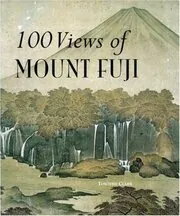
100 Views Of Mount Fuji
by Osamu Dazai
1939
In this autobiographical sketch, Dazai lodges at a teahouse facing Mount Fuji, coolly measuring its slopes, teasing its legend, and using the mountain to puzzle over marriage, fame, and his uneasy distance from his own country.
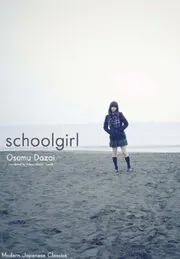
Schoolgirl
by Osamu Dazai
1939
A single day in the life of a Tokyo schoolgirl unfolds in intimate, restless monologue as she walks to class, rides trains, and turns over sharp, funny, anxious thoughts about family, adulthood, and how to keep living in a stifling world.
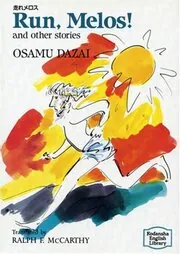
Run, Melos!
by Osamu Dazai
1940
Dazai recasts an ancient legend as the story of Melos, a hot‑headed shepherd who vows to kill a tyrant king, then races against time and disaster to keep a promise to the friend who has offered his life as collateral.

The Beggar Student
by Osamu Dazai
1940
Set around Tokyo’s movie theaters on the eve of war, this novella pairs a depressed writer with a brazen dropout who persuades him to narrate silent films, drawing him into a brief, strange friendship steeped in cinema, deception, and self‑doubt.
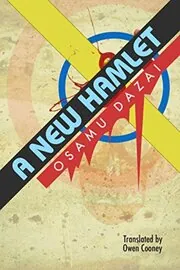
A New Hamlet
by Osamu Dazai
1941
Dazai’s version of Hamlet becomes a sly, talkative novel in which a passive prince drifts through court intrigue, forceful women, and looming war, while the narration pokes fun at authority, hypocrisy, and its own literary ambitions.
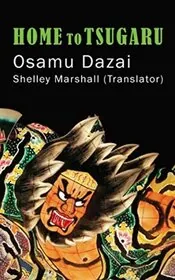
Home to Tsugaru
by Osamu Dazai
1944
Part travelogue and part love letter, this book follows Dazai on a 1944 journey through his native Tsugaru region, visiting old friends and landscapes while reflecting on class, childhood, local history, and what it means to love a place in wartime.

Pandora's Box
by Osamu Dazai
1944
Set in a mountain sanatorium just after the war, this novel follows tubercular teenager Shusuke Kimura as he adjusts to life among oddly nicknamed patients, trades frank letters, and slowly relearns how to hope in a damaged, uncertain Japan.

Otogizōshi
by Osamu Dazai
1946
In these four retellings of classic Japanese fairy tales, Dazai plants air‑raid shelters, quarrels, and self‑doubt inside familiar plots, turning stories of turtles, tanuki, and sparrows into wry meditations on war, fate, and the fear of never being understood.
The Setting Sun
by Osamu Dazai
1947
Told through the letters and memories of Kazuko, an impoverished aristocrat after World War II, this novel charts the slow collapse of her family—her ailing mother, opium‑addicted brother, and her own risky affair—as she searches for a new way to live.
Villon's Wife
by Osamu Dazai
1947
Narrated by the patient wife of a self‑destructive novelist in ruined postwar Tokyo, this story traces how working off her husband’s debts at a bar exposes both her quiet resilience and the everyday cruelties of the men who surround her.
A Shameful Life
by Osamu Dazai
1948
A Shameful Life is a new English rendering of Dazai’s 1948 novel about Yozo, a man who narrates his descent from privileged childhood into addiction, failed relationships, and near‑madness, convinced that his true self can never belong among other people.
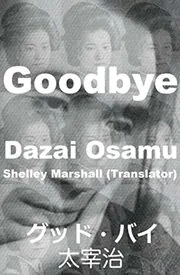
Good-Bye
by Osamu Dazai
1948
This unfinished comic novella follows a philandering magazine employee who hires a sharp‑tongued bar hostess to pose as his wife so he can break up with a string of mistresses, turning each farewell into an awkward farce in battered postwar Tokyo.
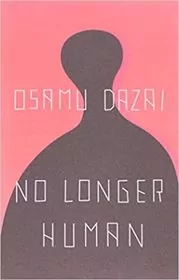
No Longer Human
by Osamu Dazai
1948
Told through the notebooks of Yozo Oba, this novel follows a charming but terrified man who hides behind jokes, drink, and love affairs as he slowly destroys himself, convinced he is disqualified from ordinary humanity.
Recommended by
1 person PewDiePie recommended this book
PewDiePie
"This is everything I would want from a novel." - PewDiePie
PewDiePie's recommendation of this book

Dazai Osamu. selected stories and sketches
by Osamu Dazai
1986
This collection gathers a wide range of Dazai’s short fiction and sketches, from early I‑novel pieces to later wartime fragments, offering snapshots of family life, radical politics, poverty, and the self‑mocking humor that runs through his work.
Crackling Mountain and Other Stories
by Osamu Dazai
1990
A generous sampler of eleven stories that show Dazai at his most varied, moving from eerie fantasies and animal fables to gritty autobiographical tales of students, lovers, and drifters, all bound by his mix of close observation and bruised empathy.
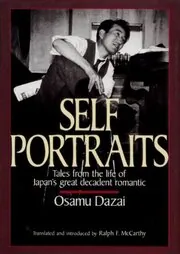
Self Portraits
by Osamu Dazai
1991
These autobiographical stories trace Dazai’s life in fragments—childhood in Aomori, bohemian years in Tokyo, uneasy marriages, wartime terror—letting him replay his own scandals and failures as vivid scenes that blur the line between confession and performance.
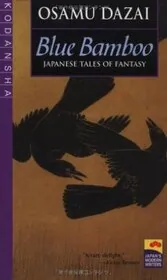
Blue Bamboo
by Osamu Dazai
1993
A lighter, dreamlike side of Dazai emerges in this collection of linked fantasies about a wealthy, eccentric family, where storytelling contests, ghosts, fairies, and mermaids mingle with everyday worries and comedy is never far from melancholy.

The Story of a Pet Dog
by Osamu Dazai
2017
Told by a nervous man who insists he dislikes dogs even as he adopts one, this short piece tracks his shifting feelings toward the pet at his side and the strays in the street, exposing how fear, cruelty, and tenderness can coexist.

Wish Fulfilled
by Osamu Dazai
2019
In this brief vignette, a writer recalls a summer in a provincial town, his friendship with a philosophical doctor, and a fleeting encounter with a young wife caring for her sick husband, finding quiet grace in one small wish that is finally granted.

Retrogression
by Osamu Dazai
2024
Retrogression assembles Dazai’s writings and contemporary documents from the mid‑1930s, tracing his frantic pursuit of the Akutagawa Prize, his academic failures, and his addictions, to create a collage‑like portrait of an author battling both literary institutions and himself.

Sange
by Osamu Dazai
2025
Sange, or Fallen Flowers, is a wartime story in which Dazai’s narrator remembers two young writer friends—one dying quietly of illness, one killed in battle—and wrestles with ideas of beautiful death, loyalty, and what literature can mean amid mass loss.
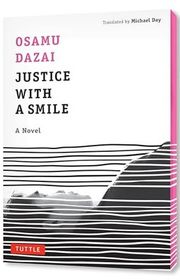
Justice with a Smile
by Osamu Dazai
2026
Young Susumu dreams of becoming an actor but faces a choice between ambition and continuing his education. With his father dead and his mother bedridden, his diary records the uncertainty, family pressures and hopes shaping his future.
Where to start with Osamu Dazai
If you're new to Osamu Dazai: No Longer Human → The Setting Sun → Villon's Wife.
If you like intensely autobiographical fiction: No Longer Human → A Shameful Life → Self Portraits.
If you prefer short stories and novellas: Schoolgirl → Run, Melos! → The Flowers of Buffoonery → Good-Bye.
If you want a lighter, more playful side: Blue Bamboo → Otogizōshi → Crackling Mountain and Other Stories.
If you're curious about his real-world Japan: Home to Tsugaru → 100 Views Of Mount Fuji.
Osamu Dazai collections, short stories, and related book types
Short Stories/Novellas
Standalone Osamu Dazai books
Author bio
Osamu Dazai was born Shūji Tsushima in 1909 in the rural town of Kanagi in northern Japan and died in 1948 in Tokyo. In less than four decades he produced novels, stories, and essays that still feel startlingly direct. Many readers first meet him through No Longer Human and The Setting Sun, then go looking for the complicated life behind them.
He grew up in the sprawling Tsushima family mansion, home to dozens of relatives, servants, and hangers‑on. His father was a wealthy landowner and politician who was away much of the time, and his mother was often ill. Dazai later described a childhood spent largely in the care of maids and an aunt, watching adult life from the margins.
As a student he moved from local schools in Aomori to Hirosaki Higher School, where he discovered Edo‑period culture, puppet theater, and left‑leaning ideas. He edited student magazines, helped start a little journal nicknamed 'Cell Literature', and published early stories. The suicide of his literary idol Ryūnosuke Akutagawa in 1927 shook him badly and deepened the split between his privileged upbringing and his growing sense of estrangement.
In 1930 he entered the French literature department at Tokyo Imperial University but barely attended class. Instead he plunged into bohemian Tokyo, drinking heavily, supporting friends in underground political groups, and beginning a series of suicide attempts, including a double suicide at Kamakura in which his partner drowned and he survived. A later illness left him dependent on a morphine‑based painkiller and briefly confined to a psychiatric hospital to break the addiction.
He turned his worst habits into material.
With encouragement from the older writer Masuji Ibuse, he found steady publication, adopted the pen name Osamu Dazai, and developed the confessional I‑novel voice that would define him. Short pieces from this period, along with semi‑autobiographical collections later translated as Self Portraits and Crackling Mountain and Other Stories, show a narrator who is by turns self‑lacerating, funny, and unexpectedly tender. During these years his first marriage collapsed, he remarried a schoolteacher, Michiko Ishihara, and tried to balance family life with a stubborn commitment to writing.
During the war he was excused from military service because of chronic chest problems, but his family still endured air raids, shortages, and evacuation from Tokyo. He kept publishing, often by reworking older tales in his own sardonic style, as in the travel memoir Tsugaru, the sanatorium novel Pandora’s Box, and the fairy‑tale collection Otogizōshi. Even when he borrowed folk heroes and legends, his narrators sounded weary, sharp‑eyed, and uncomfortably honest.
In the brief postwar window he reached the height of his fame. In Villon's Wife he followed the resourceful spouse of a self‑destructive writer through bomb‑scarred bars and back streets. The Setting Sun traced the collapse of an aristocratic family in the new Japan, and his final long work, No Longer Human, used the notebooks of the troubled Ōba Yōzō to explore addiction, depression, and the fear of being fundamentally unfit for ordinary life.
At the same time, his private world was unraveling. He drank more, quarrelled with friends, and left his household to live with Tomie Yamazaki, a beautician whose husband had died in the war. In June 1948 the two drowned themselves in the Tamagawa Aqueduct; their bodies were found several days later, on what would have been his thirty‑ninth birthday. New translations of No Longer Human, The Setting Sun, Schoolgirl, and The Flowers of Buffoonery keep drawing in readers who recognize his mix of despair, black humor, and plainspoken charm.






%2C%20Book%205.jpg)
%2C%20Book%206.jpg)
%2C%20Book%204.jpg)



Edited by
Software engineer whose passion for tracking book recommendations from podcasts inspired the creation of MRB.
Lead investor at 3one4 Capital whose startup expertise and love for books helped shape MRB and its growth.
Comments
Did we miss something? Have feedback?
Help us improve this page by sharing your thoughts