
New Mexico Books in Order
Part ofBradford Morrow Books in OrderThis page shows the New Mexico novels by Bradford Morrow in order, with brief summaries, setting notes, and guidance on where to start reading.
Last updated:
As an Amazon Associate, we earn from qualifying purchases (at no extra cost to you).
New Mexico books in publication order
2 books
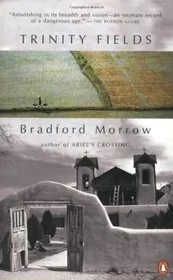
Trinity Fields
by Bradford Morrow
1995
Born the same day in Los Alamos, Kip Calder and Brice McCarthy grow up in the shadow of the Manhattan Project. Their friendship fractures across Vietnam, political anger, and shared love, then faces a reckoning when a presumed-dead soldier returns.
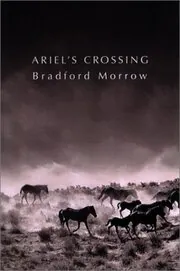
Ariel's Crossing
by Bradford Morrow
2002
When Ariel Rankin learns the man who raised her is not her birth father, she heads west to find Kip Calder, a vanished Vietnam veteran tied to New Mexico's haunted landscapes. Her search becomes a reckoning with family history, identity, and the future she is about to choose.
New Mexico books in chronological order
Series background & context
The New Mexico books are linked literary novels rather than a neat plot-driven series. What connects them is place: Los Alamos, Chimayó, White Sands, Nambé, the desert, and the moral weather that hangs over them. Morrow uses New Mexico not as backdrop but as pressure system, where faith, war, family history, and national history meet.
In Trinity Fields, the core relationship is between Kip Calder and Brice McCarthy, best friends born the same day in 1944 in Los Alamos. Their fathers work on the Manhattan Project, so the boys grow up in a town built around secrecy and the bomb. As they move into adolescence and adulthood, friendship, politics, Vietnam, and their shared love for Jessica Rankin pull them apart, until a later return forces a reckoning.
The landscape is gorgeous, but it never lets anyone off the hook.
A later novel, Ariel's Crossing, carries those consequences forward through the next generation. Ariel Rankin learns that the man who raised her is not her biological father and that her real father is Kip Calder, long absent and nearly mythic in her family story. Pregnant and unsettled, she leaves New York and heads west to find him. Her search takes her through villages, pueblos, laboratories, and restricted lands, turning the book into both a road story and a homecoming that is not simple at all.
What makes these novels feel like a series is not a recurring detective or a single ongoing mystery. It is the way Morrow keeps returning to the same questions: what children inherit from their parents, what war does long after the fighting ends, and how a place can hold memory more stubbornly than the people who pass through it. Los Alamos and White Sands carry the legacy of the nuclear age. Chimayó carries faith, ritual, and the hope that something broken might still be healed.
The tone is serious, reflective, and often haunted, but not cold. There are ghosts here in the broad sense, missing fathers, old loves, dead ideals, buried national sins, and occasionally in the more literal sense of a presence that will not quite stay buried. These books reward readers who like strong settings, layered family histories, and American stories that stretch from private heartbreak out into public history. Read Trinity Fields first, then Ariel's Crossing, and the emotional threads land much harder.






Edited by
Software engineer whose passion for tracking book recommendations from podcasts inspired the creation of MRB.
Lead investor at 3one4 Capital whose startup expertise and love for books helped shape MRB and its growth.
Comments
Did we miss something? Have feedback?
Help us improve this page by sharing your thoughts