
Nero Wolfe Books in Order
Part ofRex Stout Books in OrderThis page lists the Nero Wolfe books in order by Rex Stout, with short summaries, series background, and simple advice on where to start.
Last updated:
As an Amazon Associate, we earn from qualifying purchases (at no extra cost to you).
Nero Wolfe books in publication order
47 books
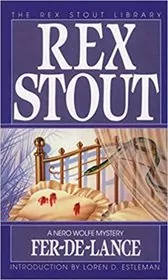
Fer-de-Lance
by Rex Stout
1934
A college president dies, an immigrant is killed, and a deadly snake turns up in Wolfe's office. In the first Nero Wolfe novel, Archie Goodwin sees just how dangerous Wolfe's brilliance can be.
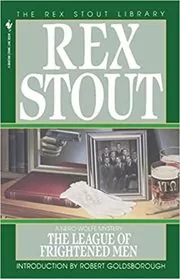
The League of Frightened Men
by Rex Stout
1935
Paul Chapin's old college circle believes a crippled former classmate is taking revenge for a cruel prank. Wolfe must sort fear, guilt, and murder before the next frightened man falls.

The Rubber Band
by Rex Stout
1936
Wolfe shocks everyone by turning down a rich industrialist and taking a one-dollar client instead. A theft accusation opens into murder, hidden motives, and one of the earliest showcases for Archie's legwork.
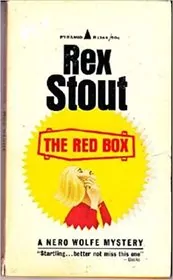
The Red Box
by Rex Stout
1937
A fashion model dies after eating poisoned candy, and a dying man whispers about a mysterious red box. Wolfe and Archie follow the trail through money, vanity, and carefully hidden family secrets.
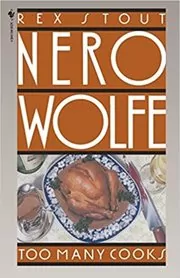
Too Many Cooks
by Rex Stout
1938
Wolfe leaves home for a gathering of world-famous chefs at a luxury spa. Then one of the cooks is murdered, and gourmet rivalries turn into a sharp, funny mystery.
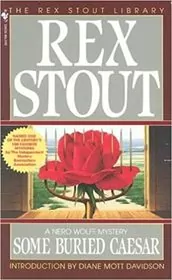
Some Buried Caesar
by Rex Stout
1939
Stranded in the countryside, Wolfe and Archie get tangled up with a champion bull, a county fair feud, and a corpse in a pasture. Rural chaos makes a perfect trap for murder.
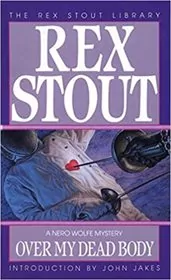
Over My Dead Body
by Rex Stout
1940
A young woman from Montenegro brings old loyalties and fresh danger to Wolfe's door. What begins with a claim on Wolfe's past turns into murder, espionage, and one of his most personal cases.
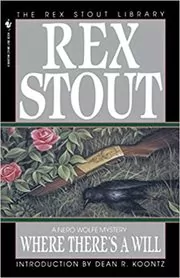
Where There's a Will
by Rex Stout
1940
A disputed inheritance pulls Wolfe into a tense household full of sharp sisters, touchy servants, and old resentments. When murder enters the picture, every private grievance starts to look lethal.

Black Orchids
by Rex Stout
1942
This collection pairs two Nero Wolfe novellas, one set around a flower show and another built on a deadly social call. Orchids, society manners, and sudden murder make a sharp double bill.
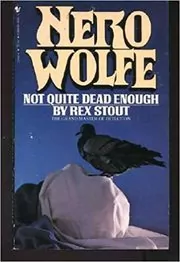
Not Quite Dead Enough
by Rex Stout
1944
These two wartime Wolfe stories put Archie in uniform and send Wolfe into work tied to military intelligence. Murder, sabotage, and wartime nerves give the pair a brisk, unusual edge.
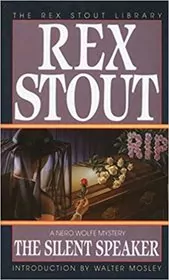
The Silent Speaker
by Rex Stout
1946
A government official is murdered before he can settle a bitter dispute over prices and power. Wolfe steps into a case where business, bureaucracy, and personal grudges all have something to hide.

Too Many Women
by Rex Stout
1947
A suspicious hit-and-run sends Archie into the offices of a large corporation crowded with intrigue and flirtation. Wolfe works from home while Archie wades through office politics and murder.
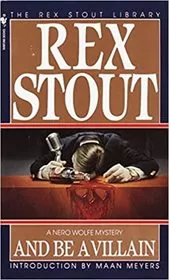
And Be a Villain
by Rex Stout
1948
Murder happens on a live radio program when a guest drinks from a poisoned bottle. The case pulls Wolfe into media spectacle, soft-drink money, and his first real clash with Arnold Zeck.
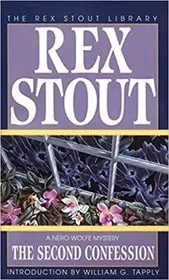
The Second Confession
by Rex Stout
1949
Hired to look into the dangerous company surrounding a rich man's daughter, Wolfe runs headlong into Arnold Zeck again. Surveillance, blackmail, and murder turn caution into open conflict.
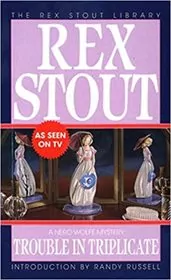
Trouble in Triplicate
by Rex Stout
1949
Three Nero Wolfe novellas fill this collection, each built around a different puzzle and a different set of lies. Archie does the running, Wolfe does the thinking, and the solutions are as neat as ever.
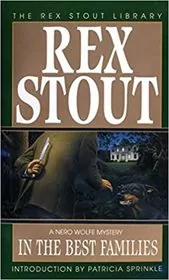
In the Best Families
by Rex Stout
1950
The Zeck trilogy reaches its peak as Wolfe vanishes, Archie goes undercover, and the rules of the brownstone stop applying. It is one of the boldest books in the series, with real stakes for both men.
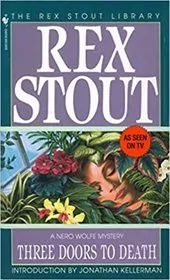
Three Doors to Death
by Rex Stout
1950
This trio of Wolfe novellas offers three compact cases, each driven by a different mystery and a different social setting. It's an excellent look at how flexible the Wolfe and Archie formula can be.
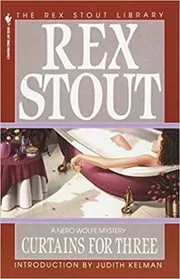
Curtains for Three
by Rex Stout
1951
Three Nero Wolfe novellas, each tied to performance, deception, or a carefully staged lie. Actors, props, and disguises keep Archie busy while Wolfe waits for the telling mistake.

Murder by the Book
by Rex Stout
1951
A dead editor, a murdered lawyer, and a dangerous manuscript draw Wolfe into the publishing world. Archie works the city while Wolfe turns books, contracts, and grudges into a murder case.
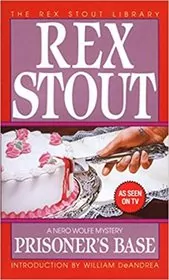
Prisoner's Base
by Rex Stout
1952
When a frightened young woman dies after seeking refuge at the brownstone, Archie becomes Wolfe's client. What follows is a fast, angry chase through Manhattan with the agency's reputation on the line.
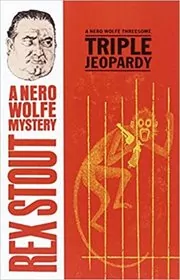
Triple Jeopardy
by Rex Stout
1952
This collection brings together three Nero Wolfe novellas, each centered on a separate puzzle, from poison to a dead cop to a monkey that may have seen too much. Short form suits Stout well here.

The Golden Spiders
by Rex Stout
1953
A little boy's odd plea sets Archie on a trail that leads to exploitation, murder, and a pair of gold spider earrings. Wolfe takes the case personally once the human cost becomes clear.
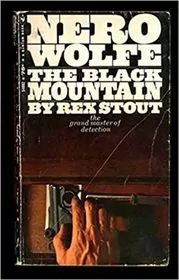
The Black Mountain
by Rex Stout
1954
After the murder of his oldest friend, Wolfe leaves New York for Montenegro. The result is part revenge story, part spy thriller, and one of the rare cases that drags Wolfe far from home.
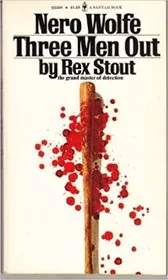
Three Men Out
by Rex Stout
1954
Three Nero Wolfe novellas make up this collection, each giving Archie room to spar, bluff, and improvise. The cases are compact, clever, and full of the series' dry humor.
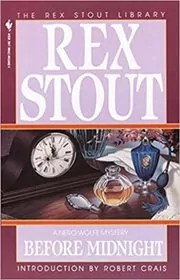
Before Midnight
by Rex Stout
1955
A New Year's deadline hangs over this case as Wolfe and Archie work through business intrigue, shifting alibis, and a murder that won't wait. The clock keeps the pressure high from the first interview onward.
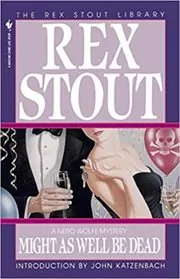
Might as Well Be Dead
by Rex Stout
1956
A wealthy businessman hires Wolfe to find the son he hasn't seen in years. The search takes Archie far from the brownstone and turns into a darker case about family damage and murder.
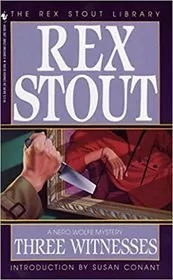
Three Witnesses
by Rex Stout
1956
Three novellas, three different witness problems, and three fresh chances for Wolfe to prove how much can turn on one overlooked detail. This is Stout in lean, puzzle-minded form.
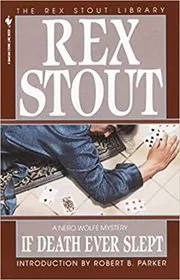
If Death Ever Slept
by Rex Stout
1957
Archie goes undercover in a magnate's household to untangle jealousy, betrayal, and a looming threat. When murder finally lands, the cozy domestic setup turns sharply dangerous.
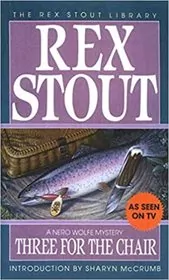
Three for the Chair
by Rex Stout
1957
This collection gathers three Nero Wolfe novellas with very different settings and suspect lists. Whether the mood is comic or tense, Wolfe waits for the point where vanity gives someone away.
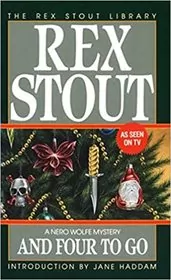
And Four to Go
by Rex Stout
1958
Four holiday-themed Wolfe novellas fill this lively collection, each with its own seasonal setting and murder problem. Christmas, Easter, summer, and a joke gone deadly all get their turn.
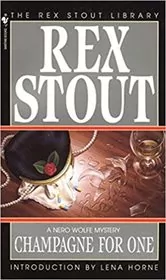
Champagne for One
by Rex Stout
1958
Archie attends a charity dinner for unwed mothers and watches a young woman die after drinking champagne. He refuses to let the death be dismissed as suicide, and Wolfe backs his instinct.

Plot it Yourself
by Rex Stout
1959
A rash of plagiarism accusations in the publishing world looks petty until murder enters the picture. Wolfe sorts authors, editors, and ego battles into one of the series' smartest literary puzzles.
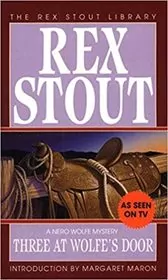
Three at Wolfe's Door
by Rex Stout
1960
Three later Wolfe novellas, each with a distinct setup and tone, from gourmet circles to show business to the rodeo world. Archie narrates the action, and Wolfe lands the final blow.
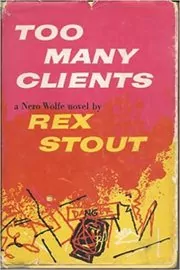
Too Many Clients
by Rex Stout
1960
A client with a secret second life sends Archie into a stylish Manhattan mystery involving a hidden house and a dead woman. Wolfe must decide which lies matter and which ones kill.
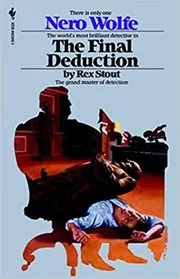
The Final Deduction
by Rex Stout
1961
A woman hiding in Wolfe's brownstone should have been safe. When murder breaks that promise, the case becomes personal, and Wolfe has to solve it from the scene of the crime.
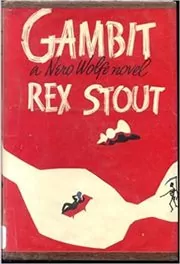
Gambit
by Rex Stout
1962
A dinner party, a chess problem, and a beautifully staged murder give Wolfe a case built on strategy. Every move matters as he tries to see who sacrificed what, and why.
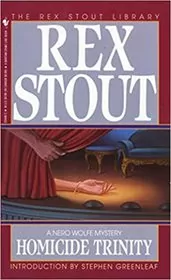
Homicide Trinity
by Rex Stout
1962
This three-story collection gives Wolfe and Archie three brisk murder problems, each with its own social circle and trap. It is a strong reminder of how much snap Stout could pack into novella length.

The Mother Hunt
by Rex Stout
1963
A foundling case sends Archie through Manhattan looking for a mother who vanished years ago. The search grows stranger and more dangerous as missing identities turn into murder motives.
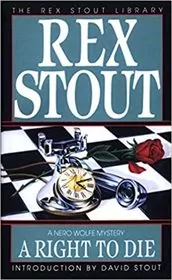
A Right to Die
by Rex Stout
1964
Wolfe is hired to look into a marriage that cuts across race and class lines in 1960s New York. Then murder pushes the case beyond family disapproval into something far uglier.
Trio for Blunt Instruments
by Rex Stout
1964
Three Nero Wolfe novellas make up this late collection, each built around an apparently simple situation that turns sharper by the page. Wolfe does less moving than ever, and still sees more than anyone else.
The Doorbell Rang
by Rex Stout
1965
A rich client wants Wolfe to make the FBI stop harassing her family. Wolfe takes the money, takes the insult personally, and walks into one of the series' boldest and most openly political cases.
Death of a Doxy
by Rex Stout
1966
When Orrie Cather's former girlfriend is found murdered, the trouble comes straight into Wolfe's own orbit. The case tests loyalty inside the agency as much as deduction outside it.
The Father Hunt
by Rex Stout
1968
A young man wants help finding the father he never knew, armed with little more than fragments from the past. Archie's search opens old secrets, new greed, and a fresh murder.
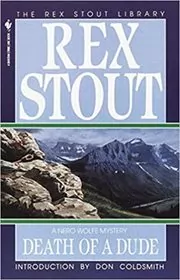
Death of a Dude
by Rex Stout
1969
Archie is visiting Lily Rowan in rural Montana when a local feud ends in murder and Wolfe is pulled west to clean it up. Small-town pride and big egos make the case lively and tense.
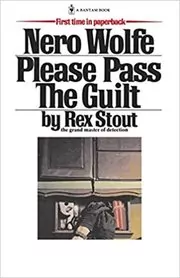
Please Pass The Guilt
by Rex Stout
1973
An anonymous letter naming possible fathers blows up a wealthy family's carefully managed life. Kidnapping, inheritance, and old bitterness push Wolfe into a cold, late-career family puzzle.
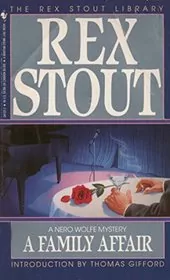
A Family Affair
by Rex Stout
1975
A bombing that kills a waiter from Rusterman's hits Wolfe close to home. In his final Nero Wolfe novel, he takes the case with unusual anger and no patience for delay.
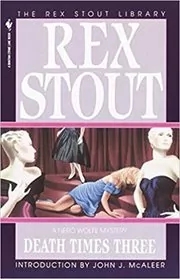
Death Times Three
by Rex Stout
1985
This posthumous collection gathers three Nero Wolfe novellas, including the first Wolfe novella Stout wrote. Each case is compact, nasty, and built for Archie to carry straight to Wolfe's desk.
Nero Wolfe books in chronological order
Series background & context
Nero Wolfe is one of detective fiction's great fixed points: he hardly leaves home, hates wasted movement, loves beer, orchids, and Fritz Brenner's cooking, and still solves murders better than anyone else. The books are told by Archie Goodwin, his legman, assistant, and best counterweight. Archie does the interviews, the tailing, and the wisecracks. Wolfe stays in the brownstone on West 35th Street and thinks.
That contrast is the engine.
Most cases begin when a client comes through the front door, Archie drags in a problem from the street, or Inspector Cramer arrives already annoyed. From there the stories move between the orderly routines of Wolfe's house and the noisy mess outside it. Archie works the city, Wolfe tests motives from behind his desk, and the ending usually comes when everyone is called back together for one last verbal ambush.
The setting matters a lot. Stout's New York is full of restaurants, offices, town houses, clubs, taxis, and gossip. But the real home base is the brownstone, with Fritz in the kitchen, Theodore and the orchid rooms upstairs, and a regular orbit of helpers such as Saul Panzer, Fred Durkin, and Orrie Cather. Readers who like recurring worlds tend to settle into the series quickly because the house feels almost as important as the murder plots.
The tone sits in a sweet spot between cozy and hard-boiled. The crimes can be nasty, but the books are never grim for long because Archie keeps them moving and Wolfe keeps cutting through nonsense. Some stories lean comic, like Too Many Cooks or Some Buried Caesar. Others get darker or more personal, especially The Black Mountain, the Arnold Zeck trilogy that runs through And Be a Villain, The Second Confession, and In the Best Families, and later books like The Doorbell Rang.
What carries across the whole series is the partnership.
Wolfe and Archie argue constantly, but the books only work because each man knows exactly what the other is good at. Wolfe's genius would go nowhere without Archie pushing into rooms Wolfe refuses to enter. Archie, for all his confidence, depends on Wolfe to see the shape of a case before anyone else does. That balance gives the series its rhythm, and it is why the books still feel fresh even after dozens of cases.
The Nero Wolfe stories ran from Fer-de-Lance in 1934 to A Family Affair in 1975, with novels and novellas mixed together. That long run lets you choose your flavor. You can read for the classic brownstone setup, for the food and orchids, for the banter, or for the puzzle. Most readers end up reading for all four.





Edited by
Software engineer whose passion for tracking book recommendations from podcasts inspired the creation of MRB.
Lead investor at 3one4 Capital whose startup expertise and love for books helped shape MRB and its growth.
Comments
Did we miss something? Have feedback?
Help us improve this page by sharing your thoughts