
Nate Blakeslee Books in Order
Browse Nate Blakeslee books in order, with quick summaries, where-to-start tips, and background on his reported nonfiction about Texas and the American West.
Last updated:
As an Amazon Associate, we earn from qualifying purchases (at no extra cost to you).
Nate Blakeslee books in publication order
2 books
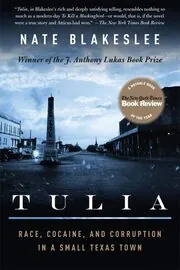
Tulia
by Nate Blakeslee
2005
Blakeslee traces the 1999 Tulia drug bust, where dozens of residents were arrested on the word of one undercover officer. What starts as a local case opens into a sharp account of race, fear, and a legal system badly off course.
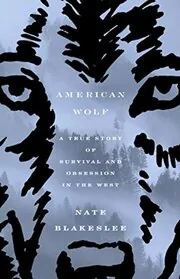
American Wolf
by Nate Blakeslee
2017
Centered on the Yellowstone wolf O-Six, this book follows one animal's life while showing the people fighting over what the American West should be. It mixes close wildlife observation with politics, land use, and real human stakes.
Where to start with Nate Blakeslee
If you want a true-crime injustice story: Tulia
If you want wildlife writing with political stakes: American Wolf
If you want to read by publication date: Tulia → American Wolf
Nate Blakeslee collections, short stories, and related book types
Non-Fiction
Standalone Nate Blakeslee books
Author bio
Nate Blakeslee was born and raised in Arlington, Texas, and his books make it clear how much place matters to him. He grew up reading everything he could get his hands on, then studied political science before heading to the University of Texas at Austin for graduate work in American Studies.
Graduate school was not the final destination. In Austin, Blakeslee found his way into journalism and the Texas Observer, starting with freelance pieces and then taking a part-time staff job that mixed office work with reporting. It was scrappy work, but it put him close to the kinds of stories he would keep returning to.
One early assignment changed everything.
In 2000, he reported on the Tulia drug bust, a case built largely on the testimony of a single undercover officer. Dozens of people were arrested, most of them Black residents of a small Texas Panhandle town, and the punishments were severe. Blakeslee's reporting helped push the case into national view, and after co-editing the Observer for several years, he left to turn that reporting into Tulia.
Tulia: Race, Cocaine, and Corruption in a Small Texas Town became his first book, and it set the pattern for what he does best. He can take a pile of court records, local history, and public anger and make it readable without sanding off the rough edges. Readers who come for the legal drama usually stay for the larger story about race, poverty, fear, and who gets believed in America. The book went on to win the J. Anthony Lukas Book Prize and the Texas Institute of Letters nonfiction prize. It was also named a New York Times Notable Book.
Then he made a sharp but natural turn.
His second book, American Wolf, grew out of a long connection to the Northern Rockies. In his early twenties, Blakeslee spent summers working in Jackson, Wyoming, with college friends, and he kept returning to the region. A wolf-watching class in Yellowstone in 2007 introduced him to naturalist Rick McIntyre and, eventually, to the story of O-Six, the female wolf at the center of the book.
American Wolf follows O-Six's life in and around Yellowstone, but it is also about the people gathered around her story. Ranchers worry about livestock. Hunters argue over elk. Wolf watchers, biologists, and public officials bring their own loyalties and ideas about what the West should be. Blakeslee uses that mix to build a book that works on two levels at once, an intimate animal story and a clear look at land use, politics, and identity in the modern West.
That range, from a Texas courtroom to a wolf pack in Yellowstone, tells you a lot about his interests. Blakeslee keeps returning to communities under pressure, to arguments about justice and belonging, and to the uneasy place where policy turns into real life. He was an editor at the Texas Observer, later served as a senior editor at Texas Monthly for nine years, and has written about politics, criminal justice, and environmental issues. The magazine background shows. He likes scenes, voices, and consequences more than grand pronouncements.
He lives in Austin with his wife and their two children. Even when the setting shifts north, his work still carries a Texas reporter's instinct: go to the place, stay with the people, and keep asking who has power, who does not, and what the record leaves out.






Edited by
Software engineer whose passion for tracking book recommendations from podcasts inspired the creation of MRB.
Lead investor at 3one4 Capital whose startup expertise and love for books helped shape MRB and its growth.
Comments
Did we miss something? Have feedback?
Help us improve this page by sharing your thoughts