
Muriel Spark Books in Order
See Muriel Spark books in order, with short summaries, a quick biography, and where to start, from her novels to the stories, essays, and poems.
Last updated:
As an Amazon Associate, we earn from qualifying purchases (at no extra cost to you).
Muriel Spark books in publication order
51 books
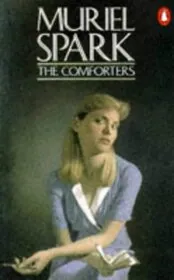
The Comforters
by Muriel Spark
1957
Caroline Rose, a recent Catholic convert, begins hearing typewriter sounds and a voice narrating her life. Spark turns a nervous breakdown into a sly, unsettling novel about fiction, faith, and who gets to control the story.

All the Stories of Muriel Spark
by Muriel Spark
1958
This omnibus gathers all of Spark's short stories in one place. Ghosts, social comedy, moral shocks, and sudden cruelty all sit side by side.
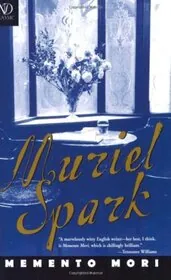
Memento Mori
by Muriel Spark
1958
A circle of elderly Londoners start receiving anonymous calls telling them to remember they must die. The result is a dry, eerie comedy about old age, buried secrets, and the panic those calls stir up.
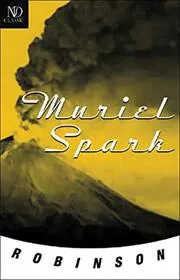
Robinson
by Muriel Spark
1958
After a plane crash, January Marlow and two other survivors wash up on a strange island ruled by the enigmatic Robinson. Isolation, suspicion, and possible murder turn this survival story into something far stranger.

The Go-Away Bird and Other Stories
by Muriel Spark
1958
Spark's first story collection moves from colonial Africa to postwar Britain, mixing the uncanny with social observation. These pieces are compact, strange, and already recognizably hers.
Emily Brontë
by Muriel Spark
1960
Spark's study of Emily Brontë looks at the life, work, and force of the author of Wuthering Heights. It is literary biography written with a novelist's eye for character and motive.
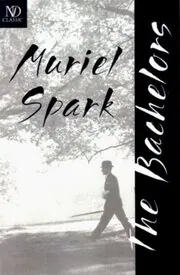
The Bachelors
by Muriel Spark
1960
A group of London bachelors find their routines shaken by fraud, blackmail, and a dubious spiritualist medium. Spark skewers smug male worlds while building a sharp little crime story.
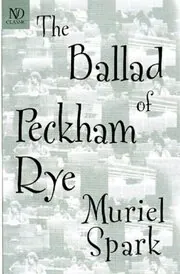
The Ballad of Peckham Rye
by Muriel Spark
1960
When Dougal Douglas arrives in Peckham to conduct human research at a factory, he throws the town off balance. Spark makes office life, gossip, sex, and possible devilry feel equally ridiculous and dangerous.
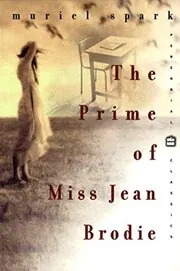
The Prime of Miss Jean Brodie
by Muriel Spark
1961
In 1930s Edinburgh, charismatic teacher Jean Brodie chooses a special set of girls and tries to shape their lives. The novel is funny, chilly, and exact about charm, power, and betrayal.

Doctors of Philosophy
by Muriel Spark
1963
Spark's only full-length play follows two intellectually ambitious women dealing with academic life and its assumptions. It is brisk, comic, and sharper about status than its title first suggests.
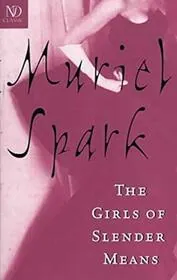
The Girls of Slender Means
by Muriel Spark
1963
In postwar London, the young women at the May of Teck Club live on little money and a great deal of nerve. Spark captures their wit and vanity, then turns the story toward something much darker.
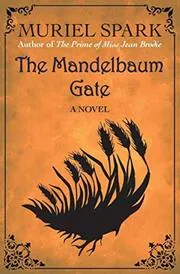
The Mandelbaum Gate
by Muriel Spark
1965
Barbara Vaughan, a Catholic convert with Jewish roots, comes to Jerusalem in 1961 on pilgrimage and personal business. Crossing a divided city becomes a tense, intelligent story about faith, identity, and danger.

All the Poems of Muriel Spark
by Muriel Spark
1967
A wide-ranging gathering of Spark's poetry, from early work to late poems. The poems are formal, witty, and more varied than readers of the novels may expect.

Collected Stories 1
by Muriel Spark
1968
An early collected volume that brings together Spark's short fiction in one place. It shows her range, from ghostly unease to social comedy and sudden violence.
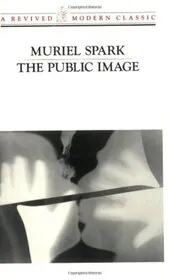
The Public Image
by Muriel Spark
1968
Annabel Christopher is a modest actress who becomes a star on screen, while her private life grows more brittle by the day. Set in Rome, this is Spark's cool, cruel look at fame and performance.
Very Fine Clock
by Muriel Spark
1969
This charming children's tale follows Ticky, a clock who keeps perfect time in Professor Horace John Morris's house. It is whimsical, gently funny, and full of quiet personality.
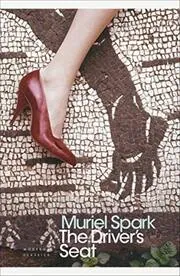
The Driver's Seat
by Muriel Spark
1970
Lise walks away from her office life and heads south in search of an encounter that feels fated. Spark turns a thin travel plot into a tense, unsettling study of desire, danger, and self-destruction.
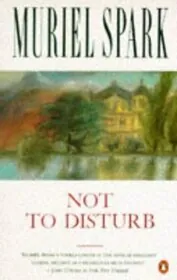
Not to Disturb
by Muriel Spark
1971
In a great house near Geneva, the servants calmly prepare for scandal and probable violence behind a locked library door. The book is a black farce about class, performance, and people treating catastrophe as opportunity.
The Hothouse by the East River
by Muriel Spark
1973
Paul and Elsa Hazlett live in Manhattan, but their present keeps slipping into wartime memories and stranger possibilities. This is one of Spark's eeriest novels, poised between satire, ghost story, and metaphysical puzzle.
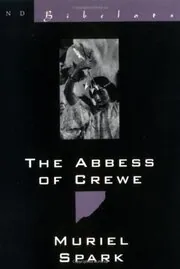
The Abbess of Crewe
by Muriel Spark
1974
At an English convent, an elegant abbess uses surveillance, manipulation, and political skill to hold on to power. Spark turns a Watergate-style scandal into a wickedly tidy comedy.
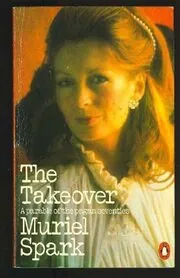
The Takeover
by Muriel Spark
1976
When wealthy Maggie Radcliffe returns to her Italian property, she finds money, houses, and loyalties under pressure from every side. Spark makes possession itself the joke in this sleek social farce.
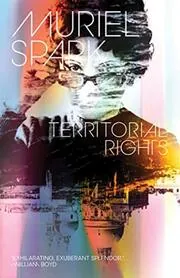
Territorial Rights
by Muriel Spark
1979
In Venice, art student Robert Leaver chases love, safety, and perhaps a way out of trouble. Spark uses the city's beauty as a backdrop for a fast, tricky story of obsession, espionage, and shifting claims on other people.

Bang-bang You're Dead and Other Stories
by Muriel Spark
1981
This collection brings together some of Spark's darkest and funniest short fiction. The stories are crisp, unsettling, and full of people who never quite understand the danger around them.
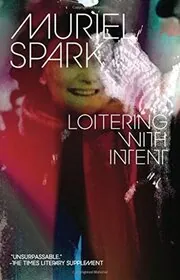
Loitering with Intent
by Muriel Spark
1981
Young writer Fleur Talbot takes a job at the bizarre Autobiographical Association and soon finds life copying her fiction. It is one of Spark's funniest novels about writing, fraud, and stolen stories.

Going Up To Sotheby's and Other Poems
by Muriel Spark
1982
A later poetry collection in which Spark writes with dry humor, formal control, and a sharp eye for money, art, and passing time. It is slim, clever, and unexpectedly moving.
The Only Problem
by Muriel Spark
1984
Harvey Gotham retreats to rural France to write a study of Job, but solitude proves impossible as police, journalists, and family complications close in. Spark turns theology and spectacle into a cool, strange puzzle.

The Stories of Muriel Spark
by Muriel Spark
1985
A substantial selection of Spark's short fiction, spanning eerie tales, social satire, and black comedy. It is a strong way to see how much she could do in a few pages.
Child of Light
by Muriel Spark
1987
Spark's first book is a critical biography of Mary Wollstonecraft Shelley. It revisits Shelley's life and work with sympathy, clarity, and special attention to the author behind Frankenstein.
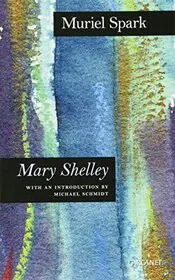
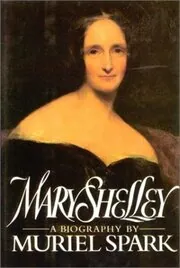
Mary Shelley
by Muriel Spark
1987
This revised life of Mary Shelley returns to the author of Frankenstein as a writer in her own right, not just a figure in someone else's legend. Spark balances biography, criticism, and close attention to Shelley's career.
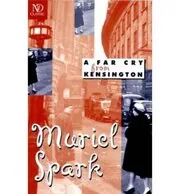
A Far Cry from Kensington
by Muriel Spark
1988
In 1954 London, Mrs Hawkins works in publishing, lodges in South Kensington, and makes an enemy of the awful Hector Bartlett. It is a deliciously sharp novel about postwar literary life, malice, and self-respect.
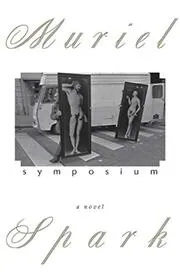
Symposium
by Muriel Spark
1990
Five fashionable London couples gather for dinner while, elsewhere, one of their guests is being murdered. Spark keeps the tone light and lethal in this perfect little social comedy.
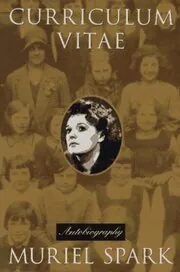
Curriculum Vitae
by Muriel Spark
1992
Spark's memoir covers her life up to the publication of The Comforters in 1957. It is brisk, funny, and especially good on Edinburgh, Africa, wartime London, and the making of a writer.
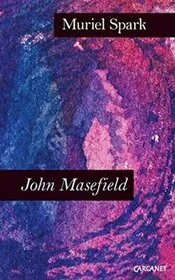
John Masefield
by Muriel Spark
1992
A concise literary life of John Masefield, written before Spark turned fully to fiction. It offers a clear account of the poet's career and public role.
The Essence Of The Brontës
by Muriel Spark
1993
This compact Brontë volume gathers Spark's essays, selections, and judgments on the sisters and their world. It is part introduction, part argument, and full of sharp literary opinion.

The Collected Stories of Muriel Spark
by Muriel Spark
1994
A broad gathering of Spark's short stories, showing her taste for ghosts, exact social comedy, and moral surprise. Even at short length, the plots rarely behave.

The Portobello Road and Other Stories
by Muriel Spark
1995
This collection pairs some of Spark's best-known shorter pieces with other sly, eerie tales. Murder, haunting, and comic unease run through the whole book.
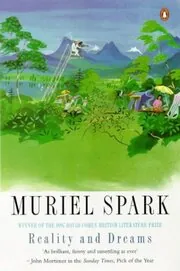
Reality and Dreams
by Muriel Spark
1996
Film director Tom Richards falls from a crane and keeps moving through work, fantasy, and romantic chaos as if nothing can touch him. Spark uses cinema to explore vanity, desire, and the stories people tell themselves.
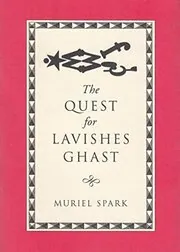
The Quest for Lavishes Ghast
by Muriel Spark
1998
A darkly playful short story in stand-alone form, this piece turns an overheard phrase into a source of comic dread. It is brief, odd, and unmistakably Spark.
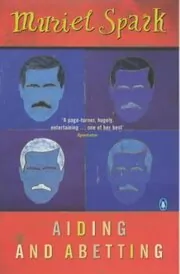
Aiding and Abetting
by Muriel Spark
2000
A fraudulent Paris psychiatrist finds herself treating two men who both claim to be Lord Lucan. Spark turns a notorious real case into a sly comedy of imposture, guilt, and reinvention.

Selected Stories
by Muriel Spark
2001
A curated selection of Spark's short fiction, chosen to show her wit, economy, and taste for the uncanny. Expect neat surfaces, sharp turns, and lingering aftereffects.

The Complete Short Stories
by Muriel Spark
2001
Spark's complete short fiction brings her strange, funny, and sinister stories together in a single volume. It is the fullest view of her work in the form where she was often at her quickest.

The Young Man Who Discovered the Secret of Life & Other Stories
by Muriel Spark
2001
This selection shows Spark at her briskest and oddest, with stories that mix comedy, menace, and flashes of the supernatural. It is a good sampler of her shorter work.

The Ghost Stories of Muriel Spark
by Muriel Spark
2003
Eight ghost stories that are less about jumping out of the dark than about wrongness quietly taking hold. Spark's supernatural fiction is clever, chilly, and often very funny.
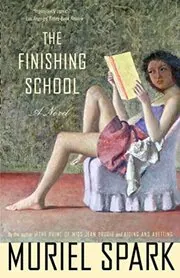
The Finishing School
by Muriel Spark
2004
At a mobile finishing school in Switzerland, frustrated novelist Rowland Mahler becomes consumed by envy of his gifted student Chris Wiley. Spark makes literary jealousy look both absurd and dangerous.
The Letters Of The Brontes
by Muriel Spark
2011
Spark edits and presents letters from the Brontë family, letting their daily voices come through alongside the legend. It is a useful window onto their work, family life, and ambitions.
Walking on Air
by Muriel Spark
2012
This slim collection gathers nine short pieces, including reflections, diary entries, a story, poems, and other small works. Together they show Spark thinking on the page in many different forms.
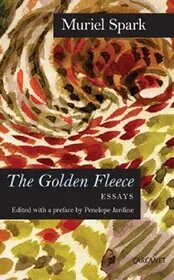
The Golden Fleece
by Muriel Spark
2014
An essay collection ranging across art, literature, travel, religion, and autobiography. It shows how wide Spark's interests were, and how sharp she could be outside fiction.
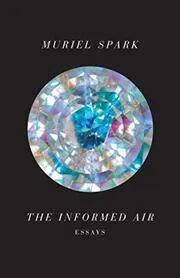
The Informed Air
by Muriel Spark
2014
Spark's essays take on writing, reading, faith, cats, memory, and the places she lived. It is a lively collection for readers who want her voice without the mask of fiction.

Complete Poems
by Muriel Spark
2015
A comprehensive edition of Spark's poetry, bringing her poems together across decades of work. The result shows the formal precision and dry wit that also shaped her prose.
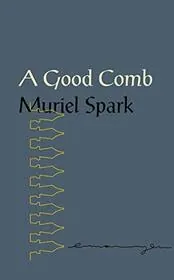
A Good Comb
by Muriel Spark
2018
A pocket-sized gathering of Spark's sayings and aphorisms. Short, sharp, and funny, it shows how much bite she could pack into a single line.
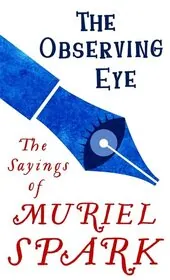
The Observing Eye
by Muriel Spark
2018
This small volume collects Spark's aphorisms and quick observations. It is the distilled version of her wit, brisk, sly, and often surprisingly wise.
Where to start with Muriel Spark
If you want the classic Muriel Spark: The Prime of Miss Jean Brodie → Memento Mori → The Girls of Slender Means
If you want her strangest, darkest books: The Driver's Seat → The Public Image → Not to Disturb
If you want books about writers and literary life: Loitering with Intent → A Far Cry from Kensington → Curriculum Vitae
If you want the short fiction first: The Go-Away Bird and Other Stories → All the Stories of Muriel Spark → The Complete Short Stories
Muriel Spark collections, short stories, and related book types
Plays
Collections
Non-Fiction
Standalone Muriel Spark books
Author bio
Muriel Spark was born in Edinburgh on February 1, 1918, and grew up in the city that would stay in her imagination for the rest of her life. She went to James Gillespie's High School, later spent a short time at Heriot-Watt College, and began writing young. Long before readers knew her as a novelist, she thought of herself as a poet.
She started with poems, not plots.
At nineteen she married Sydney Oswald Spark and followed him to Southern Rhodesia in 1937. The marriage was unhappy, and after years of strain, plus the birth of her son Robin, she returned to Britain in 1944. Africa did not leave her, though. It later fed into stories and settings, especially in The Go-Away Bird and Other Stories.
During the war she worked in the Political Intelligence Department, helping produce propaganda for the British government. After the war she found her place in literary London as general secretary of the Poetry Society and editor of Poetry Review. She also wrote criticism and biography, including studies of Mary Shelley, John Masefield, and Emily Brontë.
Fiction came a little later.
A turning point came in 1951, when she won a newspaper short story competition with The Seraph and the Zambesi. A few years later, in 1954, she was received into the Roman Catholic Church, a step she later said mattered deeply to her growth as a novelist. The Comforters appeared in 1957, and it already had the features readers now look for in her work: voices, unease, wit, and a sense that reality is never as settled as it looks.
The novels that followed came quickly. Memento Mori turns anonymous phone calls into a comedy about mortality. The Prime of Miss Jean Brodie made her widely known with its unforgettable Edinburgh schoolteacher who thinks she knows exactly how other lives should go. The Girls of Slender Means, The Driver's Seat, and Loitering with Intent are very different books, but they share her gift for speed, clean lines, and jokes that can turn hard in a sentence or two.
She liked people who performed versions of themselves: teachers, actresses, editors, spiritualists, frauds, social climbers, and people who mistake control for wisdom. Her settings travel too, from Edinburgh and London to Rome, Venice, Jerusalem, New York, and Switzerland. Even when the books are short, the pressure is high. That is part of why readers still love A Far Cry from Kensington and The Public Image, as well as the stranger late novels.
Spark never dropped the shorter forms. She kept writing stories, poems, essays, biography, memoir, and even one children's book, The Very Fine Clock. Her autobiography, Curriculum Vitae, goes back over the years before her first novel and shows how much of her later work had deep roots in childhood, war, religion, work, and sheer observation.
She lived in New York for a time, then moved to Rome, and later made her home in Tuscany with Penelope Jardine. The Prime of Miss Jean Brodie became a successful stage and film adaptation, and in 1993 Spark was made a Dame. She published her final novel, The Finishing School, in 2004 and died in Italy in 2006. By then she had written novels, stories, poems, criticism, biography, memoir, and drama in a voice that is easy to recognize after a page or two.





Edited by
Software engineer whose passion for tracking book recommendations from podcasts inspired the creation of MRB.
Lead investor at 3one4 Capital whose startup expertise and love for books helped shape MRB and its growth.
Comments
Did we miss something? Have feedback?
Help us improve this page by sharing your thoughts