
Miguel de Cervantes Saavedra Books in Order
Explore Miguel de Cervantes Saavedra books in publication order, with short summaries and a reading guide to help you choose where to begin and what to read next.
Last updated:
As an Amazon Associate, we earn from qualifying purchases (at no extra cost to you).
Miguel de Cervantes Saavedra books in publication order
4 books
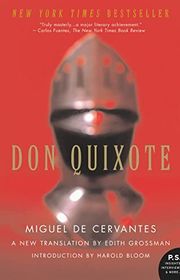
Don Quixote
by Miguel de Cervantes Saavedra
1605
Convinced that he is a knight, Don Quixote travels through Spain with his practical companion Sancho Panza. Their encounters pit chivalric fantasy against ordinary reality, producing comic misadventures and a searching examination of idealism, friendship and disillusionment.

Exemplary Stories
by Miguel de Cervantes Saavedra
1613
These comic and picaresque stories follow tricksters, lovers and unlikely observers through a world of social pretension and moral uncertainty. Cervantes places extraordinary events within everyday settings, inviting readers to question appearances and judge his characters for themselves.

Eight Interludes
by Miguel de Cervantes Saavedra
These eight short dramatic works turn from heroic figures toward the opportunists and deceivers of seventeenth-century Madrid. Through comic encounters drawn from ordinary life, Cervantes exposes human weaknesses and the social pretensions of the world surrounding his characters.
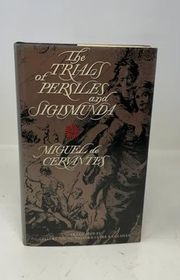
The Trials of Persiles and Sigismunda
by Miguel de Cervantes Saavedra
Two royal lovers conceal their identities and travel toward Rome disguised as siblings. Their journey through unfamiliar lands becomes a succession of separations, dangers and romantic complications, testing their loyalty as they strive to secure a shared future.
Where to start with Miguel de Cervantes Saavedra
Begin with the knight and Sancho: Don Quixote
For shorter works: Exemplary Stories → Eight Interludes
Standalone Miguel de Cervantes Saavedra books
Author bio
Miguel de Cervantes Saavedra wrote novels, short fiction, poetry and plays in which storytelling itself often becomes part of the action. Born in Alcalá de Henares, Spain, in 1547, he served as a soldier and spent five years captive in Algiers before being ransomed. Back in Spain, he worked in administration, including collecting taxes.
His most familiar creation is a man determined to live inside a story.
In Don Quixote, reading tales of chivalry leads an aging gentleman to take up the life of a knight-errant. His journeys with Sancho Panza turn ordinary encounters into conflicts between the world he imagines and the one other people see. Their conversations allow the comedy to keep changing shape: practical needs, ideals, affection and self-deception all have a place in the adventure. The work appeared in two parts, in 1605 and 1615.
Exemplary Stories offers a different pace and scale. Instead of following one pair through a long narrative, readers encounter shorter works that provide another route into Cervantes’s fiction. It is a useful choice for those who want to explore beyond the knight and his companion without beginning another extended journey.
Eight Interludes brings the comic attention to the stage. Their compact encounters make a contrast with the wandering form of the longer fiction.
Travel returns in The Trials of Persiles and Sigismunda, where two royal lovers conceal their identities and journey toward Rome disguised as siblings. Separations, unfamiliar places and romantic complications test their attachment as they try to secure a future together.
Cervantes died in Madrid in 1616.
The books listed here show several sides of his work: the sustained play between ideals and experience in Don Quixote, shorter fiction, theatrical comedy and a romance built around a dangerous journey.






Edited by
Software engineer whose passion for tracking book recommendations from podcasts inspired the creation of MRB.
Lead investor at 3one4 Capital whose startup expertise and love for books helped shape MRB and its growth.
Comments
Spotted a missing book, a wrong order or a mistake? Tell us and we'll fix this page.
We're a reading guide, not the author or publisher, so we can't send books or pass on messages.