
Michael Gilbert Books in Order
Explore Michael Gilbert books in order, from Hazlerigg and Petrella to wartime thrillers, with short summaries, series guides, and where to start.
Last updated:
As an Amazon Associate, we earn from qualifying purchases (at no extra cost to you).
Michael Gilbert books in publication order
47 books
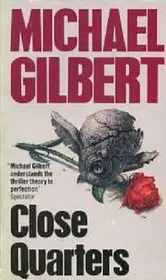
Close Quarters
by Michael Gilbert
1947
Deaths begin to pile up inside the quiet precincts of an English cathedral close. Hazlerigg must sort through clerics, scholars, family tensions, and a tightly sealed setting where everyone knows everyone.

They Never Looked Inside / He Didn't Mind Danger
by Michael Gilbert
1947
Postwar London is being fed by a ruthless smuggling network that uses soldiers and ingenious hiding places to move gold and jewels. Hazlerigg and veteran Angus McMann follow the trail into a wider criminal machine.

The Doors Open
by Michael Gilbert
1949
Three amateur investigators begin to suspect that a venerable London insurance company is being quietly looted from within. Their curiosity soon brings murder, political overtones, and a dangerous enemy out into the open.
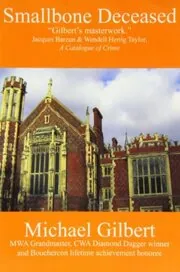
Smallbone Deceased
by Michael Gilbert
1950
A respectable Lincoln's Inn law firm opens a deed box and finds a corpse inside. Chief Inspector Hazlerigg and sleepless young solicitor Henry Bohun investigate a case packed with office politics, old money, and murder.
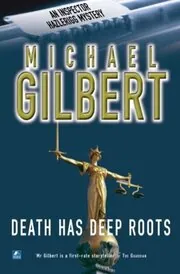
Death Has Deep Roots
by Michael Gilbert
1951
A young French Resistance woman is charged with murder in London, and her past in occupied France refuses to stay buried. Solicitor Nap Rumbold and Major McCann race between courtroom and backstory to find the truth.

The Danger Within / Death in Captivity
by Michael Gilbert
1952
After an escape tunnel collapses in an Italian prisoner-of-war camp, a man's death looks less accidental than it first seemed. The search for an informer turns camp routine into a locked-room mystery under wartime pressure.

Fear to Tread
by Michael Gilbert
1953
A mild schoolmaster stumbles onto London's black market for rationed goods and the gang behind it. What starts as a small discovery turns into a grim battle with organized crime, with Hazlerigg waiting in the wings.

Sky High / The Country-House Burglar
by Michael Gilbert
1955
A village already uneasy about a rash of country-house burglaries is shaken by a sudden explosion. As suspicion falls in awkward places, Gilbert blends postwar rural life, local knowledge, and quiet espionage tension.

Be Shot For Six Pence
by Michael Gilbert
1956
A cryptic newspaper notice from an old school friend sends Philip across Europe in search of the truth. What follows is a tense Cold War chase through borders, defectors, and shifting loyalties.

Blood And Judgement
by Michael Gilbert
1959
A woman's body near a lonely reservoir looks like a routine gang killing at first. Young Detective Sergeant Patrick Petrella digs deeper and finds a missing worker, CID politics, and a case that will not sit still.
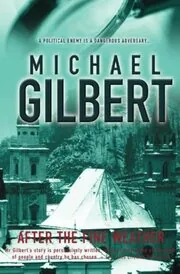
After The Fine Weather
by Michael Gilbert
1963
Laura Hart's trip to the Tyrol turns dangerous when she stumbles into local political unrest and a growing neo-Nazi plot. Cut off from safety, she has to think fast in a region that feels increasingly hostile.

The Shot in Question
by Michael Gilbert
1963
A disputed shooting becomes the center of a careful inquiry into motive, evidence, and what witnesses really saw. Gilbert leans on his legal instincts to keep the suspense balanced between action and judgment.
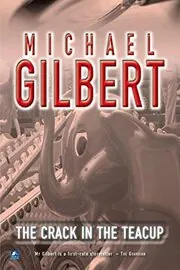
The Crack In The Teacup
by Michael Gilbert
1966
A small flaw in seaside respectability opens onto municipal corruption, private grudges, and murder. Gilbert turns local government and town politics into a mystery full of quiet menace.

Game Without Rules
by Michael Gilbert
1967
These espionage stories follow Daniel Calder and Samuel Behrens, two deceptively mild British intelligence men who solve problems most people never see. The tone is polished, sly, and often more dangerous than it first appears.

The Dust and the Heat / Overdrive
by Michael Gilbert
1967
A chance involvement in someone else's trouble leaves an ordinary man moving through dust, heat, and gathering violence. Gilbert keeps the mystery tight while the atmosphere grows steadily more oppressive.
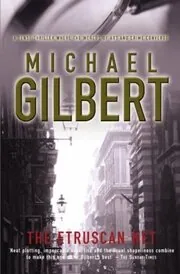
The Etruscan Net / The Family Tomb
by Michael Gilbert
1969
Florence art dealer Robert Broke knows Etruscan terracotta, not criminal conspiracy. When spies, forgers, and the Mafia close in, he finds himself accused of manslaughter and fighting for his life.

Stay Of Execution
by Michael Gilbert
1971
This collection shows Gilbert working in shorter forms, from puzzle mysteries to harder-edged suspense. Familiar figures return, and the title novella adds a longer, more slowly tightening piece of tension.

Amateur in Violence
by Michael Gilbert
1973
Gilbert gathers short mysteries here, including tales featuring Hazlerigg and Petrella, plus a compact thriller-length finale. The stories are witty, varied, and never quite as gentle as their surfaces suggest.

The Ninety Second Tiger
by Michael Gilbert
1973
A television action hero and military adviser is drawn into the unstable politics of a Middle Eastern ruler's court. Gilbert has fun setting screen bravado against real weapons, real danger, and a very real power struggle.
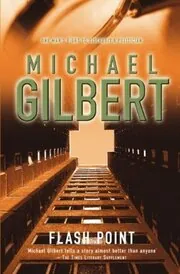
Flashpoint
by Michael Gilbert
1974
A stubborn solicitor's attempt to reopen an old embezzlement case blows up into political scandal and cover-up. The deeper he digs, the more law, power, and self-preservation begin to collide.
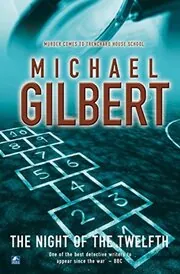
Night Of The Twelfth
by Michael Gilbert
1976
While police hunt a sadistic killer targeting boys, tension gathers at a boarding school tied to the case. Gilbert weaves procedural detail and school-story unease into one of his darkest novels.
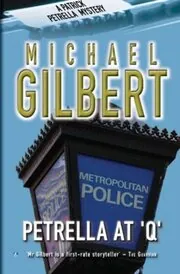
Petrella At Q
by Michael Gilbert
1977
This collection follows Patrick Petrella through a string of London cases as he rises at Q Division. The stories mix street crime, sharp observation, and one longer case that shows how patient police work really feels.
The Body Of A Girl
by Michael Gilbert
1978
When a buried skeleton turns up on a Thames island, Chief Inspector Bill Mercer links the case to vanished local women and a harder, uglier criminal world. The investigation widens from small-town mystery to gang violence.

The Empty House
by Michael Gilbert
1978
When a scientist's car goes over a cliff, young investigator Peter Manciple is sent to check an apparently simple insurance claim. He soon lands in a maze of biological warfare secrets, official interference, and violent pursuit.
Death of a Favourite Girl / The Killing of Katie Steelstock
by Michael Gilbert
1980
Local celebrity Katie Steelstock comes home to her village and ends up dead beside the boathouse after a dance. The case pulls police through gossip, ambition, and the less wholesome truth behind fame.

Mr Calder And Mr Behrens
by Michael Gilbert
1982
Calder and Behrens return in another set of espionage stories built on patience, brains, and sudden force. Gilbert's secret-service world is civilized on the outside and lethal underneath.

The Final Throw / End-Game
by Michael Gilbert
1982
A case that seems nearly over turns into one last dangerous contest of timing, motive, and nerve. Gilbert builds the suspense patiently, then drives everything toward a sharp final reckoning.

Inner Landscape
by Michael Gilbert
1984
Gilbert turns inward in this psychological suspense story, where private fears and hidden motives matter as much as the outward mystery. The ground keeps shifting beneath the protagonist as the tension slowly tightens.

The Black Seraphim
by Michael Gilbert
1984
Pathologist James Scotland goes to a cathedral town for rest and finds church politics, development schemes, and murder instead. The setting is quiet on the surface, but the rivalries underneath are anything but.
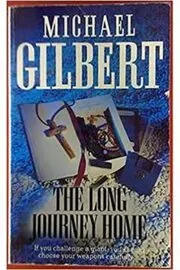
The Long Journey Home
by Michael Gilbert
1985
After stepping off a doomed flight, John Gabriel Benedict vanishes into rural Italy and tries to live quietly. That peace does not last, and he soon finds himself pursued by criminals and corporate interests across Europe.

Fraudsters
by Michael Gilbert
1986
Gilbert explores deception at close range in a story about cheats, appearances, and the damage left behind when easy money becomes the goal. The suspense comes from watching a respectable surface start to crack.

Trouble
by Michael Gilbert
1987
An IRA arms operation misfires, but the people behind it are still at large and still deadly. Gilbert turns the fallout into a tense thriller about terrorism, pursuit, and the ordinary lives caught in the middle.
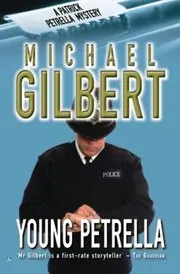
Young Petrella
by Michael Gilbert
1988
These stories take Petrella from boyhood into his first years on the force. They show the making of a stubborn, perceptive policeman in cases that range from small neighborhood trouble to darker surprises.

Paint Gold And Blood
by Michael Gilbert
1989
Art, money, and violence meet in a story where respectability proves thin and greed runs deep. Gilbert mixes elegant surfaces with sudden danger as the mystery edges toward bloodshed.

Anything For A Quiet Life and Other Mysteries
by Michael Gilbert
1990
Semiretired solicitor Jonas Pickett moves to a coastal town in search of peace and gets the opposite. These linked stories turn village life, legal tangles, and local quarrels into sly, satisfying mysteries.
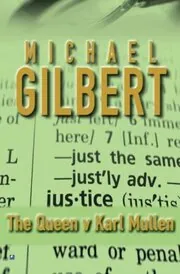
The Queen Against Karl Mullen
by Michael Gilbert
1991
A brutal South African security man comes to Britain seeking extradition, only to become the prime suspect when a key witness is killed. Gilbert turns the case into a courtroom drama charged with politics and pressure.

Roller-Coaster
by Michael Gilbert
1994
Now a superintendent in East London, Petrella walks into a division battered by gang violence, public pressure, and institutional strain. The casework keeps twisting, and every apparent solution seems to lead somewhere rougher.
Ring Of Terror
by Michael Gilbert
1995
In Edwardian London, young copper Luke Pagan and his friend Joe Narrabone face Russian revolutionaries funding terror through theft, forgery, and violence. It is a brisk period thriller with politics, street danger, and a looming sense of unrest.
Into Battle
by Michael Gilbert
1997
Luke Pagan, now working for the newborn intelligence service, goes undercover in Portsmouth as war approaches. German espionage, sabotage, and a dangerous chase into France turn the case into a full-scale wartime thriller.

The Man Who Hated Banks
by Michael Gilbert
1997
This anniversary collection rounds up previously uncollected stories featuring Hazlerigg, Henry Bohun, Mercer, and Petrella. It is a generous sampler of Gilbert's detectives, legal minds, and sharp little traps.

Pity About the Girl & Other Stories
by Michael Gilbert
1998
A posthumous gathering of previously uncollected stories, this volume shows Gilbert moving easily from neat puzzles to darker turns. It is a good reminder of how much range he had in short form.
Over and Out
by Michael Gilbert
1999
With the First World War grinding on, Luke Pagan joins the Intelligence Corps to investigate a ring that encourages British soldiers to desert to the Germans. The deeper he goes, the more treachery and danger close in.

The Mathematics of Murder
by Michael Gilbert
2000
All fourteen stories circle around the London solicitors' firm of Fearne and Bracknell. Gilbert uses legal problems, family dynamics, and quietly accumulating clues to produce smart, compact mysteries.

The Curious Conspiracy And Other Crimes
by Michael Gilbert
2002
This late collection ranges widely in time, place, and mood, from London puzzles to more adventurous historical pieces. Even in short form, Gilbert keeps the plotting clean and the surprises well timed.

Even Murderers Take Holidays
by Michael Gilbert
2007
This posthumous collection gathers more of Gilbert's shorter mysteries, full of dry wit, tidy setups, and the occasional darker twist. The stories travel lightly but never lose their sting.

The Man Who Could Not Sleep and Other Mysteries
by Michael Gilbert
2011
A late collection of radio plays and related material, this book shows how well Gilbert's suspense works in dialogue. Henry Bohun and other familiar figures give the volume a strong link to his fiction.

The Murder of Diana Devon and Other Mysteries
by Michael Gilbert
2011
This posthumous volume brings together previously uncollected stories, a poem, and radio pieces, including material tied to Calder and Behrens. It feels like a final look into the corners of Gilbert's long career.
Where to start with Michael Gilbert
If you want classic puzzle mysteries: Close Quarters → Smallbone Deceased → Death Has Deep Roots
If you want London police work: Blood And Judgement → Petrella At Q → Roller-Coaster
If you want darker suspense: The Body Of A Girl → The Night Of The Twelfth → The Empty House
If you want wartime and historical intrigue: The Danger Within / Death in Captivity → Ring Of Terror → Into Battle → Over and Out
Michael Gilbert sub-series and character series
Inspector Hazelrigg books in order
Explore this seriesInspector Hazelrigg books in chronological order
Inspector Mercer books in order
Explore this series

Death of a Favourite Girl / The Killing of Katie Steelstock
by Michael Gilbert
1980Inspector Mercer, Book 2
Inspector Mercer books in chronological order
Death of a Favourite Girl / The Killing of Katie Steelstock
by Michael Gilbert
1980Inspector Mercer, Book 2
Michael Gilbert collections, short stories, and related book types
Short Story Collections
Plays
Non-Fiction
British Library Crime Classics
Standalone Michael Gilbert books
Author bio
Michael Gilbert was born in Billinghay, Lincolnshire, in 1912, and spent his school years in Sussex and Devon. He later studied law at London University and, for a time, taught at Salisbury Cathedral School while finishing his degree, which he completed with honours in 1937.
He started writing young.
Before the Second World War, he had already begun work on what would become Close Quarters. Then the war interrupted everything. Gilbert served with the British Army in North Africa and Italy, was taken prisoner, and later escaped after the Italian surrender. Those years stayed with him, and you can feel them most clearly in The Danger Within / Death in Captivity, where the prisoner-of-war setting never feels borrowed or decorative.
After the war he returned to the law and joined the London firm of Trower, Still & Keeling at Lincoln's Inn, eventually becoming a partner. He married Roberta Marsden in 1947, and the family would grow to seven children. For years he balanced all of that with writing in a way that now seems almost impossible: he used his morning train ride from Kent to London to draft about 500 words a day, leaving evenings and weekends for home life.
He knew the law from the inside.
That became one of his great advantages as a novelist. Smallbone Deceased, still one of his best-known books, turns a solicitors' office into the scene of one of crime fiction's most memorable body discoveries. Death Has Deep Roots uses courtroom procedure with the same easy authority. But Gilbert was never just a legal-mystery writer. He could move from the classic clueing of Inspector Hazlerigg to the police grit of Patrick Petrella, then off into espionage, wartime suspense, or darker psychological territory without sounding as if he had changed costumes.
Readers who like him usually point to the same things. The plots are neat without feeling fussy. The dialogue is dry, quick, and believable. And the settings feel lived in. A cathedral close in Close Quarters, a law office in Smallbone Deceased, a police division in Blood And Judgement, a boarding-school world in The Night Of The Twelfth, a church community in The Black Seraphim, or the period spy ground of Ring Of Terror and Into Battle, he had a knack for showing how ordinary places can turn dangerous.
He was honored steadily, if not early. He was appointed CBE in 1980, named a Grand Master by the Mystery Writers of America in 1988, and received the Crime Writers' Association Diamond Dagger in 1994. Those awards matter, but they mostly confirm what the books already show: he could do almost every kind of crime story and make it look natural.
He kept writing into old age and published into his nineties. Gilbert died in 2006, after a career that lasted for more than half a century. His books still hold up because they are smart, readable, and unfussy. He could build a fair puzzle, sketch a whole social world in a few lines, and then remind you, very quietly, that decency is never quite safe.






Edited by
Software engineer whose passion for tracking book recommendations from podcasts inspired the creation of MRB.
Lead investor at 3one4 Capital whose startup expertise and love for books helped shape MRB and its growth.
Comments
Did we miss something? Have feedback?
Help us improve this page by sharing your thoughts