
Michael Eric Dyson Books in Order
Browse the Michael Eric Dyson books in order, with summaries, series background on his writing about race, politics and culture, plus suggestions on where to start reading him.
Last updated: 4 new books added
As an Amazon Associate, we earn from qualifying purchases (at no extra cost to you).
Michael Eric Dyson books in publication order
28 books
Reflecting Black
by Michael Eric Dyson
1993
This collection examines African American culture through journalism, scholarship, personal reflection, and religious commentary. Moving among literature, music, preaching, and public figures, Dyson considers how cultural expression intersects with the political, social, and moral questions facing Black communities.
Making Malcolm
by Michael Eric Dyson
1995
Dyson examines Malcolm X's continuing cultural influence and the competing interpretations of his life. Drawing on film, scholarship, hip-hop, and debates over race and gender, he challenges both romanticized admiration and hostile caricatures that obscure the leader's achievements.
Between God and Gangsta Rap
by Michael Eric Dyson
1996
Combining personal experience with cultural criticism, Dyson explores Black identity through music, religion, politics, and family. Profiles and essays connect the hopes of the church with hip-hop's realities, addressing violence, racism, sexuality, and the possibilities of redemption.
Race Rules
by Michael Eric Dyson
1996
Interconnected essays investigate the rules shaping racial relations within American society and Black communities. Using debates around leadership, the O.J. Simpson trial, and the Million Man March, Dyson examines how class, gender, religion, and generational differences influence public life.
Boys To Men
by Michael Eric Dyson
1997
I May Not Get There With You
by Michael Eric Dyson
2000
Dyson reconsiders Martin Luther King Jr. as a complex, radical thinker rather than a simplified national icon. Connecting King's political beliefs and personal contradictions to later struggles, he asks how the civil rights leader's legacy can inform contemporary demands for justice.
Holler If You Hear Me
by Michael Eric Dyson
2001
This cultural biography explores Tupac Shakur's life, artistry, and continuing influence after his death. Dyson considers the rapper's music, poetry, and public image as a way to understand hip-hop culture and the contradictions surrounding one of its most contested figures.
Open Mike
by Michael Eric Dyson
2002
Interviews and essays gather Dyson's reflections on race, identity, and Black cultural expression. Topics include perceptions of whiteness, modernism and postmodernism, and music's emancipatory role, offering an introduction to the questions that connect his scholarship and public commentary.
What Have We Come To
by Michael Eric Dyson
2003
Why I Love Black Women
by Michael Eric Dyson
2003
Drawing on the women who shaped his own life, Dyson challenges stereotypes that diminish Black women. Personal reflection and social criticism highlight their strengths, beauty, and contributions while arguing for recognition beyond the dismissive images circulating in American culture.
Mercy, Mercy Me
by Michael Eric Dyson
2004
Through interviews and cultural analysis, Dyson traces Marvin Gaye's musical achievements alongside his personal struggles. From church and Motown to What's Going On, the biography connects the singer's legacy with racism, economic hardship, addiction, and the tensions of urban America.
The Michael Eric Dyson Reader
by Michael Eric Dyson
2004
This collection gathers Dyson’s essays and commentary on race, politics, religion, sexuality, and culture. Discussions of figures from Martin Luther King Jr. to Tupac Shakur connect public lives and artistic expression with the racial dynamics of contemporary America.
Is Bill Cosby Right?
by Michael Eric Dyson
2005
Responding to Bill Cosby's 2004 criticism of poor Black Americans, Dyson examines divisions of class and generation within the community. He questions judgments made by affluent professionals and entertainers, placing debates about responsibility within broader cultural and social inequalities.
Come Hell or High Water
by Michael Eric Dyson
2006
Dyson examines Hurricane Katrina and its aftermath as evidence of racial and economic fault lines in America. Survivor interviews and historical context connect failures of disaster response with government policy, Black migration, and the vulnerability of people left behind.
Pride
by Michael Eric Dyson
2006
This exploration of pride considers its capacity to sustain dignity and its potential to become destructive. Drawing on philosophy, theology, and personal experience, Dyson examines national, communal, and racial pride, including the different roles played by Black and white identities.
Debating Race
by Michael Eric Dyson
2007
Collected debates and public exchanges show Dyson engaging politicians, commentators, and fellow thinkers over race and American life. Subjects range from civil rights and Black leadership to class conflict and Hurricane Katrina, highlighting disagreements that shape national conversations.
Know What I Mean?
by Michael Eric Dyson
2007
Dyson explores hip-hop's artistic possibilities and cultural controversies, including gender relations, commercial success, political expression, and youth identity. These reflections consider how a music born in marginalized communities gained global influence while confronting criticism both inside and outside its audience.
April 4, 1968
by Michael Eric Dyson
2008
Taking Martin Luther King Jr.'s assassination as its starting point, Dyson examines how the leader confronted mortality and how America interprets his legacy. The book considers the continuing demands of King's moral vision and the meaning assigned to his death.
Born to Use Mics
by Michael Eric Dyson
2008
Edited by Dyson and Sohail Daulatzai, this collection brings writers and scholars together to examine Nas's Illmatic track by track. Their commentary explores the album's lyricism, urban experience, and cultural significance, treating one recording as a focus for hip-hop criticism.
Can You Hear Me Now?
by Michael Eric Dyson
2009
Selections from Dyson’s writing and public commentary explore faith, family, race, gender, music, politics, and justice. Moving between enduring human questions and contemporary debates, the collection presents his reflections on the ideas and relationships that shape American life.
The Black Presidency
by Michael Eric Dyson
2016
Dyson examines how race shaped Barack Obama's identity, public speeches, and presidency. Interviews with Obama and other prominent figures inform an assessment of racial conflict, Black criticism, and the meanings attached to the achievements and limitations of America's first Black president.
Tears We Cannot Stop
by Michael Eric Dyson
2017
Framed as a sermon addressed to white America, this book combines personal experience with a call for racial change. Dyson urges readers to confront uncomfortable truths, particularly the ways Black suffering and grievances have been ignored or dismissed.
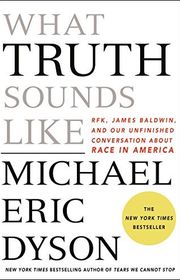
What Truth Sounds Like
by Michael Eric Dyson
2018
Dyson examines Robert Kennedy’s 1963 encounter with James Baldwin and fellow activists to explore the tension between moral witness and political action. The meeting becomes a lens for persistent debates about racial justice, dissent, empathy, and democracy.
Jay-Z
by Michael Eric Dyson
2019
Dyson reads Jay-Z's career as a form of poetry and political expression, exploring the artist's treatment of hustling, wealth, race, and justice. Drawing on years of teaching his work, the book connects musical achievement with broader questions about American society.
Long Time Coming
by Michael Eric Dyson
2020
In chapters addressed to victims of racist violence, Dyson traces anti-Blackness from slavery to contemporary America. Written in the context of George Floyd's killing and the resulting protests, the book combines historical reflection with a call for reckoning and hope.
Entertaining Race
by Michael Eric Dyson
2021
Gathering decades of Dyson's writing and public engagement, this collection explores the influence of Black culture and politics on America. It considers performance, racial identity, and the ways a critic, minister, teacher, and activist brings race into national conversation.
Unequal
by Michael Eric Dyson
2022
Written with Marc Favreau for young readers, this history examines racial inequality through people who challenged it. Their stories connect struggles for meaningful change with the institutions and everyday experiences through which unequal treatment has shaped American society.
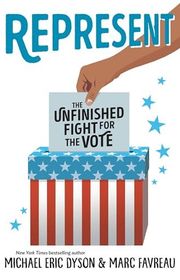
Represent
by Michael Eric Dyson
2024
Dyson and Marc Favreau trace struggles over voting rights from the American Revolution to contemporary elections. Accounts of people expanding representation and those resisting it connect the Constitution’s democratic promises with the continuing effort to make political participation accessible.
Standalone Michael Eric Dyson books





by Michael Eric Dyson
2009The Inspiration, Wisdom, and Insight of Michael Eric Dyson

by Michael Eric Dyson
2018Robert F. Kennedy, James Baldwin, and Our Unfinished Conversation About Race in America






Edited by
Software engineer whose passion for tracking book recommendations from podcasts inspired the creation of MRB.
Lead investor at 3one4 Capital whose startup expertise and love for books helped shape MRB and its growth.
Comments
Did we miss something? Have feedback?
Help us improve this page by sharing your thoughts