
Maya Angelou Books in Order
Explore Maya Angelou books in order, with short summaries, series guides, and where to start help for her autobiographies, poetry, essays, and children's books.
Last updated:
As an Amazon Associate, we earn from qualifying purchases (at no extra cost to you).
Maya Angelou books in publication order
54 books
I Know Why the Caged Bird Sings
by Maya Angelou
1969
Angelou's landmark first memoir follows her childhood in Stamps, Arkansas, and California as she faces racism, trauma, and silence. Books, language, and stubborn selfhood slowly help her find her voice.
Recommended by
3 people Richard Branson recommended this book
Richard Branson
Richard Branson recommended this book on his "70 must-read books" blog post.
Richard Branson's recommendation of this book  Jennifer Lopez recommended this book
Jennifer Lopez
Jennifer Lopez recommended this book on Twitter.
Jennifer Lopez's recommendation of this book  Jay Shetty recommended this book
Jay Shetty
Jay Shetty recommended this book on Twitter.
Jay Shetty's recommendation of this book
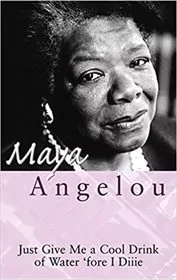
Just Give Me a Cool Drink of Water 'Fore I Diiie
by Maya Angelou
1971
Her first poetry collection moves between love and memory on one side, and the daily injuries of racism on the other. The voice is musical, plainspoken, wounded, and defiant.
Gather Together in My Name
by Maya Angelou
1974
Picking up after high school, this memoir follows Angelou as a very young single mother trying to make a life for herself and her son. The jobs, mistakes, and close calls show how hard-won adulthood can be.
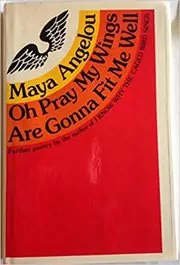
Oh Pray My Wings Are Gonna Fit Me Well
by Maya Angelou
1975
These poems mix love songs, family memories, streetwise observation, and anger at racial injustice. The collection is intimate and public at the same time, restless but hopeful.
Singin' and Swingin' and Gettin' Merry Like Christmas
by Maya Angelou
1976
Angelou enters the adult world in this memoir, juggling odd jobs, performance work, a troubled marriage, and the demands of motherhood. A tour with *Porgy and Bess* opens the world, but it also sharpens what home means.
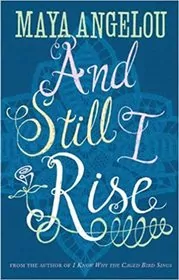
And Still I Rise
by Maya Angelou
1978
One of Angelou's best-known poetry collections, this book gathers poems of self-respect, female strength, wit, and endurance. The title piece and Phenomenal Woman helped make it a touchstone for generations of readers.
The Heart of a Woman
by Maya Angelou
1981
In this memoir, Angelou moves to New York with her son, joins a circle of Black artists and activists, and becomes more involved in the civil rights movement. Love, motherhood, and political purpose pull at her all at once.
Recommended by
1 person Oprah Winfrey recommended this book
Oprah Winfrey
Oprah Winfrey recommended this book in "Oprah's Book Club."
Oprah Winfrey's recommendation of this book
Shaker, Why Don't You Sing?
by Maya Angelou
1983
A lean, lyrical collection about love, loss, Southern memory, freedom, and the sounds of everyday life. Even in its quieter moments, the poems carry a strong sense of motion and feeling.
All God's Children Need Traveling Shoes
by Maya Angelou
1986
In Ghana, Angelou searches for connection to Africa while discovering how American she still feels. The memoir is about exile, belonging, motherhood, and the uneasy pull between history and home.
Mrs. Flowers
by Maya Angelou
1986
A key episode from Angelou's childhood is given its own spotlight here, as the elegant Mrs. Flowers helps a traumatized young Maya return to books, language, and speech. It is a small book about a life-changing kindness.
Letter to My Daughter
by Maya Angelou
1987
Though she had no biological daughter, Angelou addresses the many women she considered hers in these short essays. She writes about honesty, faith, food, friendship, loss, and how to keep living with dignity.
Now Sheba Sings the Song
by Maya Angelou
1987
This collection continues Angelou's conversation with love, race, memory, and survival. The poems are often warm and musical, but they never look away from loneliness or injustice.
I Shall Not Be Moved
by Maya Angelou
1990
Returning to poetry after a gap, Angelou writes with humor, pain, and conviction about the body, the spirit, and the stubborn will to stand upright. The voice is seasoned, tender, and unafraid.
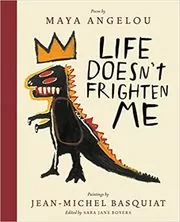
Life Doesn't Frighten Me
by Maya Angelou
1993
Angelou's bold, rhythmic poem meets Jean-Michel Basquiat's art in this picture book about naming fears and staring them down. It speaks to children, but its brave voice reaches well beyond childhood.
On the Pulse of Morning
by Maya Angelou
1993
Written for President Bill Clinton's first inauguration, this single poem calls readers toward responsibility, honesty, and a broader human fellowship. Nature becomes the stage for a public plea to begin again.
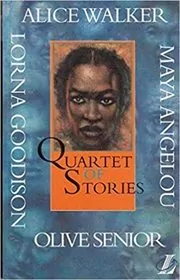
Quartet Of Stories
by Maya Angelou
1993
This compact collection brings together four Maya Angelou pieces about relationships, memory, and the ways people shape one another's lives. It works well as a quick sampler of her prose voice.

Soul Looks Back in Wonder
by Maya Angelou
1993
An illustrated anthology for younger readers that celebrates Black life and imagination through poems, stories, and art, including a contribution by Maya Angelou. It is rich, varied, and inviting.

The Poetry of Maya Angelou
by Maya Angelou
1993
This spoken-word collection lets Angelou's poems be heard as they were meant to be heard, in her own resonant voice. Love, survival, humor, and protest all gain extra force aloud.
Wouldn't Take Nothing for My Journey Now
by Maya Angelou
1993
This first essay collection offers short reflections on faith, gratitude, work, and survival. It reads like a conversation with Angelou at her wisest and most companionable.
Maya Angelou: Poems
by Maya Angelou
1994
A selected volume that brings together poems from across Angelou's career, from tender love lyrics to sharper social pieces. It is a good one-book introduction to the range of her poetry.
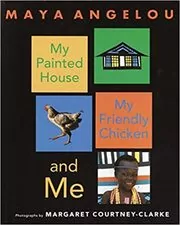
My Painted House, My Friendly Chicken, and Me
by Maya Angelou
1994
Through Thandi's voice, Angelou introduces young readers to an Ndebele girl, her family, and the painted homes of her community. Photographs and text make everyday life, art, and tradition feel close and vivid.
The Complete Collected Poems
by Maya Angelou
1994
This omnibus gathers Maya Angelou's major poetry collections in one place, tracing recurring themes of love, Black life, womanhood, grief, and perseverance. It is the broadest view of her work as a poet.

The Complete Collected Poems of Maya Angelou
by Maya Angelou
1994
This wide-ranging collection gathers her published poems across decades, from early lyrics to public pieces like On the Pulse of Morning. It is the easiest way to read the full sweep of Angelou's poetry in one volume.
A Brave and Startling Truth
by Maya Angelou
1995
First delivered for the United Nations' fiftieth anniversary, this public poem imagines a world that chooses peace over violence. Angelou writes on a large scale, but the hope feels personal and urgent.
Phenomenal Woman
by Maya Angelou
1995
This slim volume centers on Angelou's famous poem celebrating women's strength, presence, and self-knowledge. Paired with paintings, it makes a graceful gift book as well as a quick dose of confidence.
Even the Stars Look Lonesome
by Maya Angelou
1996
In essays that move between the personal and the philosophical, Angelou reflects on sensuality, race, travel, aging, and solitude. The tone is companionable, candid, and often very funny.
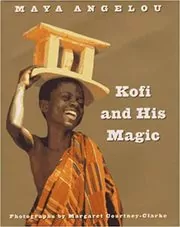
Kofi and His Magic
by Maya Angelou
1996
Kofi, a seven-year-old boy from Bonwire in Ghana, shares the color and wonder of his world, from kente weaving to festivals and family life. It is a lively children's book about place, pride, and imagination.
The Voyage of the Amistad
by Maya Angelou
1997
This retelling of the Amistad uprising follows the enslaved Africans who seized the ship and the struggle that followed in court. It turns a major historical episode into a human story of courage and freedom.
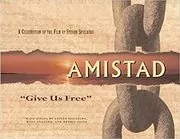
Amistad
by Maya Angelou
1998
Set around the 1839 revolt aboard the slave ship Amistad, this book follows the captives' fight for recognition and freedom. History, law, and human dignity meet in a story built from real events.

Black Pearls
by Maya Angelou
1998
A selection of Angelou's poems designed for listening as much as reading, highlighting her musical delivery and emotional range. The pieces move through love, memory, injustice, and perseverance.
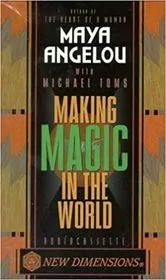
Making Magic in the World
by Maya Angelou
1998
A brief inspirational volume that gathers Angelou's reflections on courage, kindness, and the work of making a life with purpose. It is small, quotable, and meant to encourage.
Mary Ellen Mark
by Maya Angelou
1999
A photography collection by Mary Ellen Mark that includes work by Maya Angelou, pairing powerful images of American life with reflective writing. It is less a single narrative than a conversation between image and text.
Graduation
by Maya Angelou
2000
This standalone selection revisits one of the most famous chapters from *I Know Why the Caged Bird Sings*, as Maya's eighth-grade graduation is shadowed by racism and redeemed by Black pride. The scene is intimate and unforgettable.
A Song Flung Up to Heaven
by Maya Angelou
2002
Angelou returns from Africa to the United States and moves through the years surrounding the deaths of Malcolm X and Martin Luther King Jr. The memoir ends where her writing life truly begins, with the first pages of *Caged Bird*.
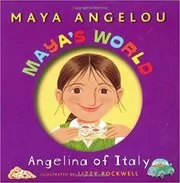
Angelina of Italy
by Maya Angelou
2004
Angelina adores pizza and gets hilariously confused by the Leaning Tower of Pisa. Her curiosity sends her toward a small adventure that turns a joke into discovery.
Hallelujah! The Welcome Table
by Maya Angelou
2004
Part memoir and part cookbook, this book pairs recipes with stories from Angelou's life, from Arkansas kitchens to later travels. Food becomes a way to talk about family, work, memory, and comfort.
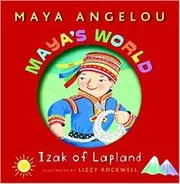
Izak of Lapland
by Maya Angelou
2004
Izak comes from a family of reindeer herders and loves the animals around him. When responsibility lands in his hands, he has to show his younger brother, and himself, what care really looks like.
Maya's World
by Maya Angelou
2004
This children's volume introduces the Maya's World concept, where kids from different places face small fears, responsibilities, and misunderstandings within their own communities. The stories are short, warm, and travel widely.
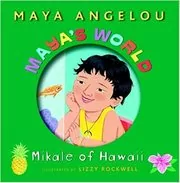
Mikale of Hawaii
by Maya Angelou
2004
Mikale lives on Oahu but is afraid of the ocean that surrounds him. With help from his uncle and a pet fish, he learns that courage can start close to home.
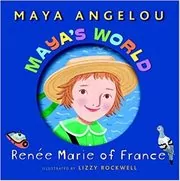
Renee Marie of France
by Maya Angelou
2004
Tall Renée Marie dreads heights, so a class visit to the Eiffel Tower feels like a problem, not a treat. The story turns that fear into a gentle lesson about facing what scares you.
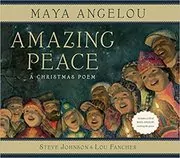
Amazing Peace
by Maya Angelou
2005
This picture book presents Angelou's Christmas poem as a plea for quiet, kindness, and shared humanity. It is brief, ceremonial, and meant to be read aloud.
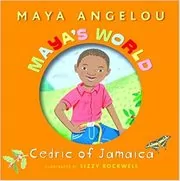
Cedric of Jamaica
by Maya Angelou
2005
Set in Jamaica, this Maya's World story follows Cedric through everyday island life as he faces a small challenge and learns a little more about confidence and responsibility.
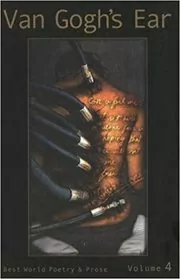
Van Gogh's Ear
by Maya Angelou
2005
An anthology that includes work by Maya Angelou alongside many other writers and artists, mixing poetry and prose with a deliberately eclectic, international spirit. It is more collage than single-voice collection.
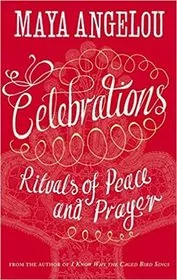
Celebrations
by Maya Angelou
2006
This collection gathers public and private poems written for occasions both intimate and historic, including family tributes, memorials, and civic moments. It shows how comfortably Angelou could move between the personal and ceremonial.
Mother
by Maya Angelou
2006
Built around Angelou's poem about mothers, this short volume follows the bond between parent and child from first dependence to adult gratitude. It is tender, direct, and gift-sized.
Poetry for Young People
by Maya Angelou
2007
This introduction for younger readers gathers twenty-five of Angelou's poems, from playful pieces to classics like Still I Rise. Notes and illustrations make her work welcoming without sanding off its force.
Great Food, All Day Long
by Maya Angelou
2010
Angelou's second cookbook mixes recipes with stories and practical reflections on eating well. Written after major weight loss, it emphasizes flavor, moderation, and the pleasure of feeding people.
Love's Exquisite Freedom
by Maya Angelou
2011
This short volume centers on Angelou's thoughts about love as freedom rather than possession. It reads like a small keepsake book, simple in form but emotionally direct.
Mom & Me & Mom
by Maya Angelou
2013
Angelou turns to her mother, Vivian Baxter, tracing abandonment, reunion, and a hard-earned bond that shaped the rest of her life. It is one of her most intimate memoirs, full of hurt, humor, and reconciliation.
Recommended by
3 people Emma Watson recommended this book
Emma Watson
"About the special connection between mother and child." - Emma Watson
Emma Watson's recommendation of this book  Hillary Clinton recommended this book
Hillary Clinton
Hillary Clinton mentioned reading this book in a NY Times interview.
Hillary Clinton's recommendation of this book  Alice Walker recommended this book
Alice Walker
"This is my favorite Angelou book." - Alice Walker
Alice Walker's recommendation of this book
His Day Is Done
by Maya Angelou
2014
Written after Nelson Mandela's death, this brief tribute honors his courage, patience, and moral force. Angelou keeps the language simple and direct, letting grief and respect do the work.
Rainbow in the Cloud
by Maya Angelou
2014
Compiled after her death, this collection gathers interviews, speeches, poems, and other short pieces that show Angelou's wit, resilience, and moral clarity across decades.
Strategies of Abundance
by Maya Angelou
2014
A short self-help style book about building a fuller, more purposeful life through attitude, intention, and practical reflection. It is written as an encouraging introduction rather than a detailed program.
Understanding Aspergers
by Maya Angelou
2014
A brief introductory guide that explains Asperger's syndrome in simple, accessible terms for general readers. The focus is on basic understanding rather than medical depth.
The Complete Poetry
by Maya Angelou
Where to start with Maya Angelou
If you want the essential starting point: I Know Why the Caged Bird Sings → Gather Together in My Name → Singin' and Swingin' and Gettin' Merry Like Christmas
If you want the core autobiography journey: I Know Why the Caged Bird Sings → Gather Together in My Name → The Heart of a Woman → All God's Children Need Traveling Shoes
If you want her best-known poetry: And Still I Rise → Phenomenal Woman → The Complete Collected Poems
If you want reflective essays and life lessons: Wouldn't Take Nothing for My Journey Now → Even the Stars Look Lonesome → Letter to My Daughter
If you want books to share with younger readers: Life Doesn't Frighten Me → My Painted House, My Friendly Chicken, and Me → Maya's World
Maya Angelou sub-series and character series
Maya Angelou's Autobiography books in order
Explore this series
Singin' and Swingin' and Gettin' Merry Like Christmas
by Maya Angelou
1976Maya Angelou's Autobiography, Book 3
Maya Angelou's Autobiography books in chronological order
Singin' and Swingin' and Gettin' Merry Like Christmas
by Maya Angelou
1976Maya Angelou's Autobiography, Book 3
Maya Angelou collections, short stories, and related book types
Collections
Picture Books
Non-Fiction
Poetry for Young People
Standalone Maya Angelou books
Author bio
Maya Angelou was born Marguerite Johnson in St. Louis, Missouri, on April 4, 1928, and grew up in both St. Louis and Stamps, Arkansas. Her brother Bailey nicknamed her Maya, and the name stayed. The places and pressures of her childhood, church life, family struggle, Southern racism, and the search for safety, would become the ground beneath much of her writing.
Books helped save her.
After trauma in childhood left her mute for years, she turned inward and toward literature. Poetry, Shakespeare, Black writers, and the spoken music of language became part of how she rebuilt herself. That deep trust in words never left her, and readers can feel it in everything from I Know Why the Caged Bird Sings to her later public poems.
Before she became widely known as a writer, Angelou lived several other lives. She worked as a cook, became San Francisco's first Black female streetcar conductor, sang and danced in clubs, acted on stage and screen, and spent time as a journalist in Egypt and Ghana. The name Angelou came from an early marriage, and it became the professional name she carried into the rest of her career.
She did not come to writing from a quiet, sheltered life.
In the late 1950s she joined the Harlem Writers Guild. With encouragement from James Baldwin and editor Robert Loomis, she wrote I Know Why the Caged Bird Sings, published in 1969. The book changed her life and helped change American memoir. It told the truth about childhood, sexual violence, racism, shame, and endurance in a voice that was plain, funny, exact, and fearless.
She kept going, building a remarkable autobiographical sequence that included Gather Together in My Name, Singin' and Swingin' and Gettin' Merry Like Christmas, The Heart of a Woman, All God's Children Need Traveling Shoes, A Song Flung Up to Heaven, and, years later, Mom & Me & Mom. Readers often come to these books for the honesty, but they stay for the scene making, the sharp ear for speech, and the way Angelou could hold pain and humor in the same paragraph. Her work is full of mothers and sons, travelers and workers, wounded children and stubborn adults trying to keep their dignity.
She was just as much a poet as a memoirist.
Her poetry collections, including Just Give Me a Cool Drink of Water 'Fore I Diiie, And Still I Rise, and Phenomenal Woman, made her a lasting presence far beyond the memoir shelf. Readers tend to love the directness of the poems, their rhythm, and the way they talk about Black beauty, womanhood, work, grief, desire, and sheer persistence without hiding behind fancy language. In 1993, she read On the Pulse of Morning at President Bill Clinton's first inauguration, becoming the first inaugural poet since Robert Frost.
Angelou was also deeply involved in public life. She worked with Martin Luther King Jr. and Malcolm X, lived abroad during key years of African independence movements, and in 1981 became Reynolds Professor of American Studies at Wake Forest University in Winston-Salem, North Carolina. She remained there for the rest of her life, teaching, speaking, writing, and welcoming students and friends into her orbit.
She died in Winston-Salem on May 28, 2014. But her books still feel startlingly present. They are wise without being stiff, serious without losing warmth, and full of appetite for life, food, laughter, style, memory, and human connection.


Edited by
Software engineer whose passion for tracking book recommendations from podcasts inspired the creation of MRB.
Lead investor at 3one4 Capital whose startup expertise and love for books helped shape MRB and its growth.
Comments
Did we miss something? Have feedback?
Help us improve this page by sharing your thoughts