
Max and the Midknights Books in Order
Part ofLincoln Peirce Books in OrderSee the Max and the Midknights books by Lincoln Peirce in order, with summaries, series background, and simple advice on where to start.
Last updated:
As an Amazon Associate, we earn from qualifying purchases (at no extra cost to you).
Max and the Midknights books in publication order
3 books
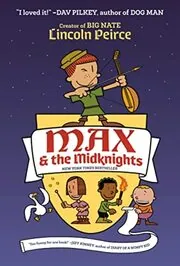
Max and the Midknights
by Lincoln Peirce
2019
Max dreams of becoming a knight, which would be hard enough even without a kidnapped uncle and a rotten king. A medieval rescue quest, a band of misfits, and lots of humor make this a lively fantasy start.
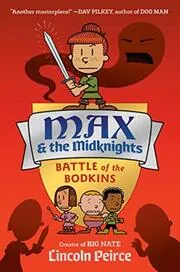
Battle of the Bodkins
by Lincoln Peirce
2020
Knight school is tougher than Max expected, and danger does not stay politely outside the gates. As Byjovia comes under threat, the Midknights face monsters, magic, and the cracks forming inside their own group.

The Tower of Time
by Lincoln Peirce
2022
Max's final adventure sends the Midknights after a dangerous twin, buried family secrets, and enemies that keep multiplying. Trolls, pirates, ruthless kings, and a race against time give the trilogy a strong finish.
Max and the Midknights books in chronological order
Series background & context
Max and the Midknights is Lincoln Peirce taking the comic energy that worked so well in school stories and dropping it into a medieval quest. The result is a fantasy series with knights, monsters, kings, secret histories, and a lot of jokes that arrive exactly when the danger starts to look serious.
At the center is Max, a brave, stubborn kid who wants to be a knight in a world that does not make that easy. Max is not interested in staying in the role other people imagine. That push against expectation drives the whole series. Max is ambitious, impulsive, loyal, and good at dragging other people into an adventure before they have fully agreed to it.
The first book kicks everything off with a rescue quest after Max's uncle Budrick is kidnapped by the cruel King Gastley. Along the way Max gathers a crew of misfits who become the Midknights, a group that feels part found family, part traveling disaster. Their kingdom, Byjovia, matters a lot here. It is a fantasy setting, but it is not polished or distant. It feels lived in, odd, and a little scruffy, which makes the jokes land better and the stakes feel closer.
The series grows as it goes.
Book two sends Max and the gang into knight school and throws bigger threats at them, including attacks on Byjovia, strange creatures, and pressure from inside the group itself. By the time the story reaches The Tower of Time, the stakes widen again, with family secrets, missing answers, and a race against dangers that stretch beyond one simple quest. Even when the plot gets bigger, Peirce keeps the story readable and quick. You never feel buried under lore.
That balance is really the appeal. These are adventure books with sword-and-sorcery trappings, but they are also funny, highly illustrated, and deeply character-driven. Max wants to do the right thing, but not always in the neatest way. The Midknights argue, panic, improvise, and occasionally stumble into heroism. The humor never undercuts the danger entirely, yet it keeps the books welcoming for readers who like fantasy but do not want anything too heavy.
There is also a nice theme running through all three books: becoming the person you think you are meant to be, even when nobody else sees it yet. Max keeps moving toward that idea, one mess at a time. The books care about friendship, courage, and identity, but they do it with light hands and lively pages rather than speeches.
So if Big Nate is all about surviving middle school, Max and the Midknights is about surviving a kingdom in trouble with a sword in one hand and a joke in the other. Same creator, very different backdrop.
Same talent for turning chaos into momentum.





Edited by
Software engineer whose passion for tracking book recommendations from podcasts inspired the creation of MRB.
Lead investor at 3one4 Capital whose startup expertise and love for books helped shape MRB and its growth.
Comments
Did we miss something? Have feedback?
Help us improve this page by sharing your thoughts