
Marston Trilogy Books in Order
Part ofSally Spencer Books in OrderSee the Marston Trilogy by Sally Spencer in order, with short summaries, series background, and a quick guide to where this Cheshire saga begins.
Last updated:
As an Amazon Associate, we earn from qualifying purchases (at no extra cost to you).
Marston Trilogy books in publication order
3 books
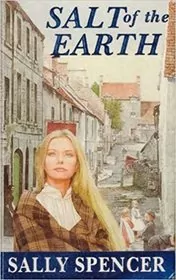
Salt of the Earth
by Sally Spencer
1994
Born the youngest of seven in a poor Cheshire family, Becky Taylor grows up amid hard work, loyalty, and ambition during the Industrial Revolution. It is a sweeping saga about class, family, and a young woman determined to rise.
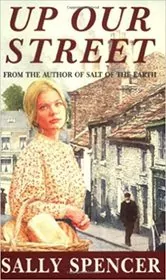
Up Our Street
by Sally Spencer
1995
Becky Taylor is now running a bakery while her husband and brother are away, and family strain keeps pressing in. This sequel follows her fight to protect her children and carve out some happiness in Cheshire.
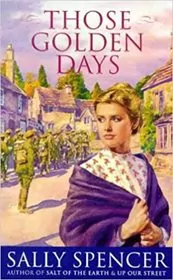
Those Golden Days
by Sally Spencer
1996
War shadows Marston as Becky worries about her hot-headed son Billy and her withdrawn daughter Michelle. Meanwhile, her brother-in-law Richard is still a threat, making this final trilogy entry both intimate and tense.
Marston Trilogy books in chronological order
Series background & context
The Marston books are historical family sagas, but they stay close to the ground. The central figure is Becky Taylor, the youngest of seven children, born into a poor working family in north Cheshire. From the start, the series is interested in the way ordinary people live, work, quarrel, love, and keep going when life gives them very little room to breathe.
Becky is the heart of it.
In Salt of the Earth, we meet her as a child growing up in the shadow of hard labor and limited chances. Her family has warmth and loyalty, but that does not make poverty easier. Becky wants more from life, and much of the trilogy's pull comes from watching her try to reach for a better future without cutting herself off from the people who made her.
The setting matters a lot. These books are rooted in the salt-producing villages of Cheshire, with their demanding work, close-knit streets, and sharp sense of class. Industrial change is always there in the background. So are the dangers that come with it. Sally Spencer is very good at showing how large social change reaches people in small, personal ways, through wages, marriages, illnesses, resentments, and the odd bit of luck.
In Up Our Street, Becky is older and has more to carry. She is running a bakery, trying to hold a family together, and dealing with absence, uncertainty, and a brother-in-law who brings trouble with him. The book keeps the emotional scale of a family story, but there is real tension running through it. These are not soft-focus sagas. People make bad choices, old grievances linger, and the past has a habit of walking back through the door.
Then Those Golden Days widens the focus again by bringing in the next generation and the shadow of war. Becky is no longer worrying only about herself. She is worrying about her children, about the village, and about what happens when public events begin to close in on private lives.
These are grounded books. They are less about grand twists than about how families survive strain over time. Expect strong place writing, working-class characters who feel like real people, and a tone that mixes hardship with warmth. If you like historical fiction that cares about labor, family loyalty, and the cost of trying to better yourself, the Marston Trilogy is a very solid place to start.





Edited by
Software engineer whose passion for tracking book recommendations from podcasts inspired the creation of MRB.
Lead investor at 3one4 Capital whose startup expertise and love for books helped shape MRB and its growth.
Comments
Did we miss something? Have feedback?
Help us improve this page by sharing your thoughts