
Lyra Books in Order
Part ofPatricia C Wrede Books in OrderExplore the Lyra books by Patricia C Wrede in order, with short summaries, world background, and help deciding the best reading path.
Last updated:
As an Amazon Associate, we earn from qualifying purchases (at no extra cost to you).
Lyra books in publication order
5 books
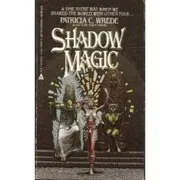
Shadow Magic
by Patricia C Wrede
1982
Princess Alethia is kidnapped just as old enemies rise against Alkyra. To get home and save her kingdom, she must trust the dangerous forest, its hidden peoples, and powers from half-forgotten stories.
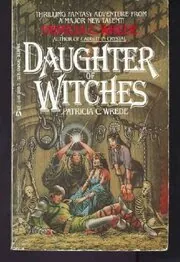
Daughter of Witches
by Patricia C Wrede
1983
In a city where witches are hunted, servant girl Ranira tries to survive by keeping her head down. When three magical strangers arrive at her inn, she is forced to face the power that destroyed her family.
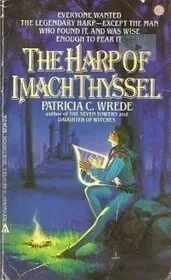
The Harp of Imach Thyssel
by Patricia C Wrede
1985
Minstrel Emereck and his friend Flindaran find a legendary harp in an abandoned castle. Once its power wakes, they are drawn into a struggle over a weapon that could reshape a kingdom.
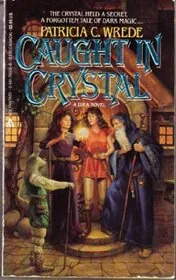
Caught in Crystal
by Patricia C Wrede
1987
Widow and former witch Kayl has built a quiet life running an inn, until a sorceress from her past arrives. To protect her children and her world, she must reopen old wounds and use magic again.
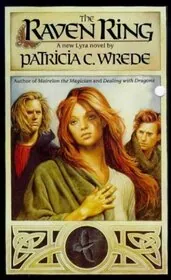
The Raven Ring
by Patricia C Wrede
1994
After her mother's death, Eleret sets out to reclaim her belongings and a family inheritance. The journey becomes a fight for survival as enemies close in around a powerful ring.
Lyra books in chronological order
Series background & context
Lyra is less a tight saga than a shared world. The books are set on the same secondary-world stage, but they follow different people, in different countries, at different points in history. That gives the series a broad, roomy feeling. Instead of one hero carrying the whole line, the world itself becomes the thing that links everything together.
Wrede's official reading order for Lyra is internal chronology: Caught in Crystal, The Raven Ring, Shadow Magic, Daughter of Witches, and The Harp of Imach Thyssel. But the connections are loose enough that readers can also treat the books as standalones. What carries across is the setting, its old magic, its political strains, and the sense that stories in one corner may echo in another, even when the characters never meet.
The cast changes from book to book. You get princesses, servants, innkeepers, witches, minstrels, would-be nobles, and travelers who would rather stay out of history but cannot. Some books lean toward court politics, some toward pursuit and escape, some toward quieter personal reckonings. That range is one of Lyra's pleasures. Wrede uses the same world to tell several kinds of fantasy rather than repeating the same shape with different names.
No single hero owns this world.
The setting matters a lot. Forest peoples, legendary artifacts, suspicious city authorities, old orders of magic, and regional grudges keep turning up in new forms. Rather than building to one giant final showdown, the books show how a world can hold many kinds of trouble at once. A stolen inheritance in one story and a kingdom-level threat in another still feel like parts of the same larger map.
Compared with the Enchanted Forest books, Lyra is straighter fantasy. The humor is lighter, the stakes can be harsher, and the magic often comes with political or personal cost. Even so, Wrede's taste for capable characters and clear problem-solving is already there. People survive because they observe, improvise, and keep going.
If you like older fantasy series where the joy comes from wandering through a world rather than racing through one central plot, Lyra is very appealing. It lets Wrede try different tones and different kinds of protagonists while keeping the same underlying fascination with magic, history, and practical people under pressure.

Edited by
Software engineer whose passion for tracking book recommendations from podcasts inspired the creation of MRB.
Lead investor at 3one4 Capital whose startup expertise and love for books helped shape MRB and its growth.
Comments
Did we miss something? Have feedback?
Help us improve this page by sharing your thoughts