
London and Cambridge Books in Order
Part ofClare Chase Books in OrderBrowse the London and Cambridge books by Clare Chase in order, with short summaries, series notes, and help choosing where to start.
Last updated:
As an Amazon Associate, we earn from qualifying purchases (at no extra cost to you).
London and Cambridge books in publication order
3 books

You Think You Know Me
by Clare Chase
2016
Freelance journalist Anna Morris enters London's art world hoping for a career break and finds forgery, missing paintings, and mysterious deaths instead. The deeper she goes, the harder it is to tell friend from foe.

A Stranger's House
by Clare Chase
2017
After her relationship falls apart, Ruby takes a house-sitting job in Cambridge that seems like a fresh start. Instead she finds herself caught up in another man's dark history, with Nate Bastable hiding troubles of his own.
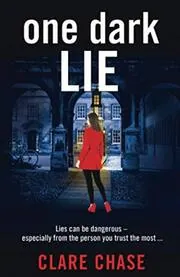
One Dark Lie
by Clare Chase
2020
Ruby Fawcett takes a job researching a dead Cambridge academic and ends up staying in the very house where the woman died. As she uncovers a secret life, Nate's strange behaviour makes everything feel even more dangerous.
London and Cambridge books in chronological order
Series background & context
The London and Cambridge books sit at an interesting point in Clare Chase's work. They have some of the ingredients that turn up throughout her later fiction, sharp observation, strong settings, ordinary people stumbling into dangerous territory, but they lean more toward suspense than cozy mystery. These are stories about trust, misdirection, and what happens when a seemingly manageable situation starts to feel much more threatening.
At the center of this strand is You Think You Know Me.
That novel drops freelance journalist Anna Morris into London's art world, where launches, galleries, ambition, and image all matter a great deal. It is a good setting for Chase, because it looks polished and glamorous while giving her plenty of room for lies, forgery, missing paintings, and hidden motives. Anna is not a detective by trade. She is a working woman trying to make her way, and that grounded viewpoint gives the suspense its pull. She is curious enough to keep asking questions, but vulnerable enough that the danger feels real.
What makes these books distinct from the later village mysteries is the mood. The pace is tighter. The emotional stakes are more tangled up with attraction, doubt, and divided loyalties. Instead of a settled community where the sleuth knows roughly how the place works, these stories often involve people trying to read rooms they don't fully understand. A charming stranger may not be who he says he is. An old friend may have reasons for holding something back. A smart lead can still get badly wrong-footed.
Cambridge matters just as much as London in this part of Chase's catalogue, though in a different way. Where London gives her bright surfaces and dangerous sophistication, Cambridge gives her history, status, private houses, academic egos, and the kind of quiet streets that can hide a lot. You can feel her interest in the city's contrasts, old and young, grand and shabby, intellectual and deeply personal. Even when the plots turn tense, the places never feel generic.
These books also show Chase working out a style that would become more recognisable later. She likes smart female leads, men who are not always easy to read, and plots that turn on what people choose not to say. She likes environments that reward close attention. And she likes giving the reader just enough information to keep second-guessing everybody.
So if you come to this series expecting the full village-cozy atmosphere of Eve Mallow, this grouping feels a little different. It is more urban, more slippery, and more suspense-led. But the same pleasures are there: a strong sense of place, a neat line of clues, and a writer who enjoys peeling back the respectable surface to see what is really going on underneath.



Edited by
Software engineer whose passion for tracking book recommendations from podcasts inspired the creation of MRB.
Lead investor at 3one4 Capital whose startup expertise and love for books helped shape MRB and its growth.
Comments
Did we miss something? Have feedback?
Help us improve this page by sharing your thoughts