
Loki Books in Order
Part ofJoanne M Harris Books in OrderSee the Loki books by Joanne M Harris in order, with quick summaries, links to the wider myth cycle, and help on where to start.
Last updated:
As an Amazon Associate, we earn from qualifying purchases (at no extra cost to you).
Loki books in publication order
2 books
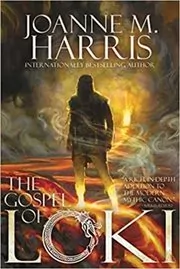
The Gospel of Loki
by Joanne M Harris
2014
Loki tells his own version of Norse myth, from Odin’s bargain with him to the betrayals that end in Ragnarok. Funny, bitter, and sly, it turns the trickster god into a brilliantly unreliable guide to Asgard’s rise and fall.
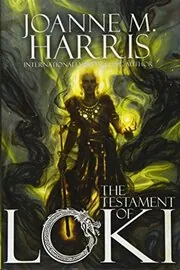
The Testament of Loki
by Joanne M Harris
2018
After Ragnarok, Loki slips into the modern world inside the body of a troubled teenage girl named Jumps. Still sly and self-serving, he must navigate school, desire, and human weakness while plotting his way back to power.
Loki books in chronological order
Series background & context
The Loki books are Joanne M Harris at her most sly, funny, and sharp-edged. These are not solemn retellings of Norse myth from a respectful distance. They are told by Loki himself, which means the voice is fast, mocking, self-justifying, and impossible to trust completely. That is the whole pleasure.
If Runemarks shows this mythic world from the ground, the Loki books hand the story to the loudest person in the room.
The Gospel of Loki begins with Odin recruiting Loki out of Chaos and bringing him into Asgard. From there, Harris follows the old myths through Loki's version of events: the bargains, the humiliations, the jokes that go too far, the rivalries, the uneasy friendships, and the long slide toward Ragnarok. Because Loki is both participant and commentator, the gods stop feeling like statues and start feeling like a court full of touchy, vain, frightened immortals trying to keep their power.
That point of view matters. Loki is the outsider in Asgard, useful when the gods need a fixer, a thief, or a scapegoat, but never fully welcomed. Harris leans into that tension. These books are about belonging, status, class, performance, and the way a society can depend on someone it also despises. Loki is funny because he is always watching the room. He is dangerous for exactly the same reason.
Then The Testament of Loki takes a turn that keeps the series fresh. After Ragnarok, Loki finds himself in the modern world inside a human host, a troubled teenage girl called Jumps. That lets Harris bring myth into very ordinary pressures: school, family control, self-image, sexuality, friendship, and the strange indignities of having a body that will not behave as a god expects. The stakes are still cosmic, but the texture is much closer to the skin.
The tone stays nimble. The books are witty, but never lightweight. Beneath the jokes there is real sadness, especially around shame, exile, and the question of whether someone can ever change the part they have been assigned in a story.
You can read this pair on its own, but it also links to the wider Rune world of Runemarks and Runelight. If you want the simplest route, read The Gospel of Loki first, then The Testament of Loki. If you like tricksters, unreliable narrators, and myths retold with a bit of bite, this is a very good place to start.











Edited by
Software engineer whose passion for tracking book recommendations from podcasts inspired the creation of MRB.
Lead investor at 3one4 Capital whose startup expertise and love for books helped shape MRB and its growth.
Comments
Did we miss something? Have feedback?
Help us improve this page by sharing your thoughts