
Locomotion Books in Order
Part ofJacqueline Woodson Books in OrderSee the Locomotion books by Jacqueline Woodson in order, with brief summaries, series background, and help choosing whether to start with book one or two.
Last updated:
As an Amazon Associate, we earn from qualifying purchases (at no extra cost to you).
Locomotion books in publication order
2 books
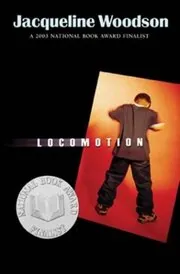
Locomotion
by Jacqueline Woodson
2003
Lonnie uses poetry in fifth grade to tell the story of his parents' deaths, foster care, and the little sister he misses every day. His voice is funny, wounded, and impossible not to root for.

Peace, Locomotion
by Jacqueline Woodson
2009
Lonnie writes letters to his little sister Lili while they live apart in foster care, trying to stay close across distance and grief. It is a tender follow-up about family, faith, war, and the search for peace.
Locomotion books in chronological order
Series background & context
At the center of the Locomotion books is Lonnie C. Motion, a boy who has already been through more than most kids his age. His parents died in a fire, and he and his little sister, Lili, have been placed with different foster families. That loss shapes everything, but it does not swallow the books whole.
Woodson begins with Locomotion, a novel in verse told through Lonnie's poems. He is in fifth grade, living in Brooklyn, and slowly finding language for things he has not been able to say out loud, grief, anger, missing Lili, and the strange feeling of trying to build a life while the old one is still echoing behind him. Poetry becomes his way back to himself.
His voice is the series.
In Peace, Locomotion, Lonnie is older and speaking in letters instead of poems, mostly to Lili. The separation between them still hurts, but the story widens. He thinks about war, faith, foster families, school, and what peace might mean in a world that keeps testing people. The form changes, but the appeal stays the same: Lonnie sounds real on every page.
What makes this series work is how close it stays to one kid's perspective. The stakes are big, but the books are built from everyday moments, classroom assignments, bus rides, visits, jokes, fears, and the quiet ache of missing someone. Brooklyn matters here too. It is not just a backdrop. It gives the books their rhythm, their community, and some of their warmth.
These are middle grade books, but they do not dodge hard truths. They are about foster care, mourning, and the long work of healing. Still, they are never only sad. Lonnie is observant, funny, and deeply loving, especially where Lili is concerned. If you like character-driven stories with heart, voice, and a lot of emotional honesty, this series has a lot to offer.






Edited by
Software engineer whose passion for tracking book recommendations from podcasts inspired the creation of MRB.
Lead investor at 3one4 Capital whose startup expertise and love for books helped shape MRB and its growth.
Comments
Did we miss something? Have feedback?
Help us improve this page by sharing your thoughts