
Little Black Pony Books in Order
Part ofWalter Farley Books in OrderSee the Little Black Pony books by Walter Farley in order, with quick summaries, series background, and simple guidance on where to start.
Last updated:
As an Amazon Associate, we earn from qualifying purchases (at no extra cost to you).
Little Black Pony books in publication order
3 books
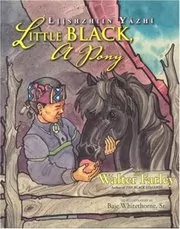
Little Black, a Pony
by Walter Farley
1961
A little boy adores his pony, Little Black, until a bigger horse seems more exciting. Then a frightening accident shows him which horse has been truly loyal all along.
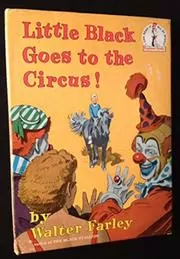
Little Black Goes to the Circus
by Walter Farley
1963
Little Black tries his luck with circus ponies and makes a shaky first impression. With his young master's encouragement, the small pony gets another chance to show what he can really do.
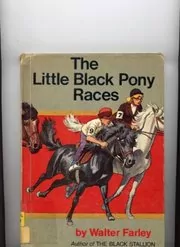
Little Black Pony Races
by Walter Farley
1968
When his brother's horse cannot race, a boy enters Little Black in the county fair instead. The small pony gets a bad start, but heart and loyalty count for plenty once the race begins.
Little Black Pony books in chronological order
Series background & context
The Little Black Pony books are Walter Farley at a smaller, gentler scale. Instead of long races, wrecks, and wild stallions, these stories follow a small pony and a young boy through problems that feel big in a child's world. Little Black is not grand or famous. He is loyal, eager, and often underestimated. That is the point. The series takes the feelings Farley used in his bigger horse books, attachment, jealousy, courage, pride, and makes them easy for younger readers to grasp.
Little Black wins you over by being small.
In Little Black, a Pony, the basic relationship is set right away. A boy loves his pony, then gets distracted by a bigger horse that seems faster, stronger, and more exciting. Little Black suddenly looks ordinary. Farley uses that simple setup to talk about something kids understand very well, the fear of being left behind. When trouble comes, the small pony is the one who stays steady, and the story becomes less about size than about trust.
The later books keep that same idea and move it into new places. Little Black Goes to the Circus takes the pony into a noisy, unfamiliar world of performers, tricks, and embarrassment. He does not get everything right the first time, which makes the story feel kind rather than perfect. Little Black Pony Races shifts to the county fair, where Little Black has to face bigger rivals and a bad start. Again, Farley keeps the suspense clear and child-sized, but he never forgets the excitement of horses in motion. The danger is real enough to matter, but never so heavy that it overwhelms the comfort of the story.
What makes the series work is its scale. These books are short, direct, and easy to follow, yet they still feel like real stories instead of lessons dressed up as fiction. Little Black has personality. The boy's feelings are simple but believable. The settings, farmyards, circus grounds, and fair tracks, are places where a young reader can see the whole scene at once. That makes the books especially friendly to read-alouds and to kids who are just starting to read longer stories on their own.
They're small stories with big feelings.
If the Black Stallion books are for readers who want speed, danger, and sweeping adventure, the Little Black books are for readers who want warmth, reassurance, and a pony they can imagine as their own. You do not need to read them in a strict order, but starting with Little Black, a Pony gives the later books more heart. This is a compact series, and that is part of its charm. Every book gets in, does its job, and leaves behind the same quiet message: courage does not have to be flashy to matter.




Edited by
Software engineer whose passion for tracking book recommendations from podcasts inspired the creation of MRB.
Lead investor at 3one4 Capital whose startup expertise and love for books helped shape MRB and its growth.
Comments
Did we miss something? Have feedback?
Help us improve this page by sharing your thoughts