
Liebermann Papers Books in Order
Part ofFrank Tallis Books in OrderFind the Liebermann Papers by Frank Tallis in order, with summaries, reading order, series background, and tips on where to start in Vienna.
Last updated:
As an Amazon Associate, we earn from qualifying purchases (at no extra cost to you).
Liebermann Papers books in publication order
8 books
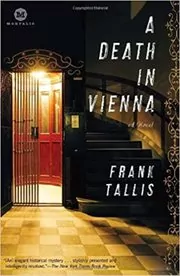
A Death in Vienna / Mortal Mischief
by Frank Tallis
2005
In turn-of-the-century Vienna, psychoanalyst Max Liebermann helps Inspector Oskar Rheinhardt investigate the impossible death of a young medium. The case mixes locked-room mystery, early Freud, and a city alive with art, music, and new ideas.
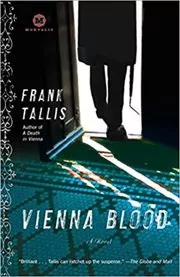
Vienna Blood
by Frank Tallis
2006
Winter grips Vienna as mutilated bodies begin appearing across the city. Liebermann and Rheinhardt follow the trail into secret societies, racial theories, and a killer whose logic is as unsettling as the crimes.
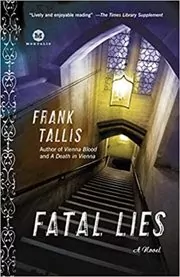
Fatal Lies
by Frank Tallis
2008
When a cadet is found savaged at an elite military school, Liebermann and Rheinhardt enter a closed world of bullying, sadism, and buried secrets. The case soon widens into something more personal and more dangerous for the fading empire.
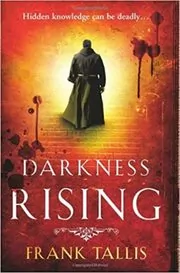
Darkness Rising / Vienna Secrets
by Frank Tallis
2009
A decapitated monk and a murdered councillor push Vienna toward panic and anti-Semitic blame. As Liebermann helps Rheinhardt investigate, the case draws him into Jewish mysticism, political extremism, and the city's deepening fractures.
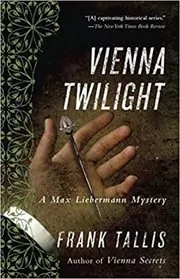
Vienna Twilight / Deadly Communion
by Frank Tallis
2010
Young women are dying by an almost invisible weapon, and the killer's desires resist easy explanation. As Liebermann studies a murderer who seems to split love from selfhood, the investigation becomes both intimate and deeply unnerving.
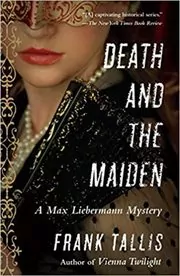
Death and the Maiden
by Frank Tallis
2011
After opera star Ida Rosenkranz dies from an apparent overdose, Liebermann and Rheinhardt suspect murder. Their investigation leads through the Vienna Opera, Gustav Mahler's orbit, and the city's poisonous mix of glamour, politics, and scandal.

The Melancholy Countess
by Frank Tallis
2012
When a grieving Hungarian countess is found drowned in her bath, Vienna is ready to call it suicide. Liebermann and Rheinhardt are less convinced, especially once they meet her charming, indebted, and deeply troubling young widower.
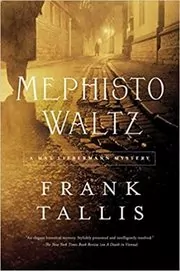
Mephisto Waltz
by Frank Tallis
2018
A disfigured corpse in an abandoned piano factory draws Liebermann and Rheinhardt into a strange investigation in Vienna, 1904. The trail leads through music, politics, and fringe sexual circles toward a crime that feels staged like judgment.
Liebermann Papers books in chronological order
Series background & context
The Liebermann Papers are historical mysteries set in Vienna at the start of the twentieth century, when psychoanalysis is new, the empire still looks secure, and the city feels full of beauty and strain. At the center are Doctor Max Liebermann, a young psychiatrist and student of Freud, and Detective Inspector Oskar Rheinhardt, a patient, experienced policeman who knows that ordinary methods do not always explain strange crimes. Their partnership gives the series its shape. Oskar brings procedure, persistence, and a detective's feel for people. Max brings curiosity about dreams, fear, desire, shame, and the motives people hide even from themselves.
That mix is the hook.
These books are detective stories, but they are never just puzzles. In A Death in Vienna / Mortal Mischief, what looks like a supernatural killing becomes a test of reason. Later books move into serial murder, military school brutality, political extremism, sexual obsession, religious tension, and opera-house scandal. Max often helps by listening closely, noticing slips, contradictions, and patterns of feeling that other investigators miss. Tallis never makes psychology feel magical or neat. It is useful because people are messy.
Vienna matters as much as the crimes. This is a city of coffeehouses, concert halls, grand apartments, and crowded streets, but it is also a place of anti-Semitism, class division, nationalism, and nerves. Freud appears at the edges of the series, and other real figures pass through the background, which helps the novels feel grounded without becoming stiff historical exhibits. The setting is rich, but not fussy. You get music, art, philosophy, and medicine, but you also get morgues, police offices, shabby rooms, and the hard daily grind of investigation.
The friendship between Max and Oskar is what keeps the series warm. They trust each other, challenge each other, and bring out different strengths in every case. Around them, Tallis also tracks Max's family pressures, romantic life, and the strain of being a Jewish doctor in a city that is becoming harsher and less forgiving. Each mystery stands on its own, but reading in order helps because the emotional story keeps moving forward.
The tone sits somewhere between classic detective fiction and psychological thriller. If you like smart mysteries with a strong sense of place, careful period detail, and crimes driven by obsession, ideology, and hidden damage, this series does that very well. It was later adapted for television as Vienna Blood, but the novels give you more room to live inside Max's thinking and the city's uneasy mood.
These are crime novels with ideas in them, and they still know how to move.










Edited by
Software engineer whose passion for tracking book recommendations from podcasts inspired the creation of MRB.
Lead investor at 3one4 Capital whose startup expertise and love for books helped shape MRB and its growth.
Comments
Did we miss something? Have feedback?
Help us improve this page by sharing your thoughts