
Lidia Yuknavitch Books in Order
Explore Lidia Yuknavitch books in order, with quick summaries, where to start, and a clear guide to her memoirs, novels, essays, and story collections.
Last updated:
As an Amazon Associate, we earn from qualifying purchases (at no extra cost to you).
Lidia Yuknavitch books in publication order
12 books
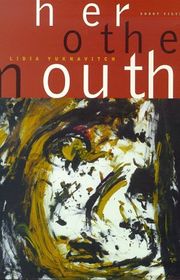
Her Other Mouths
by Lidia Yuknavitch
1997
This early collection of short fiction is raw, bodily, and deliberately unsettling. Across stories of desire, damage, and resistance, Yuknavitch tests how language can push past the roles women are expected to play.
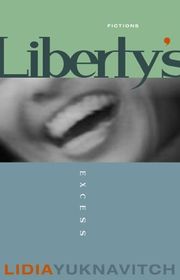
Liberty's Excess
by Lidia Yuknavitch
2000
These interconnected fictions follow characters shaped by sex, politics, violence, and desire, often at the limits of identity and control. Yuknavitch uses fractured forms to show bodies under pressure and culture under strain.

Allegories of Violence
by Lidia Yuknavitch
2001
In this work of criticism, Yuknavitch studies how late twentieth-century fiction writes about war, power, and narrative. It is a compact, challenging look at how stories can carry violence far beyond the battlefield.
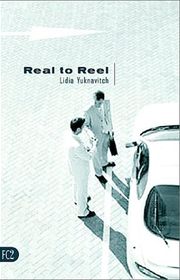
Real to Reel
by Lidia Yuknavitch
2003
In this story collection, film, art, addiction, sex, and trauma keep colliding. The pieces move across wild subject matter, but they share a fascination with people on the edge of change, danger, or self-recognition.
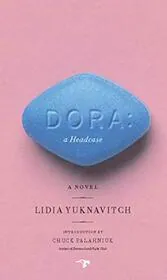
Dora
by Lidia Yuknavitch
2012
A sharp, unruly retelling of Freud's Dora case, this novel follows Seattle teenager Ida as she spars with her therapist, falls hard for her friend Obsidian, and turns private pain into dangerous art.
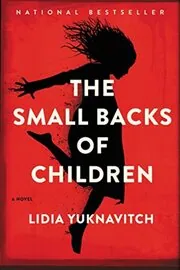
The Small Backs of Children
by Lidia Yuknavitch
2015
After a war photographer captures an unforgettable image of a girl fleeing an explosion, a damaged circle of artists becomes obsessed with finding her. The novel asks what art can save, and what it cannot.
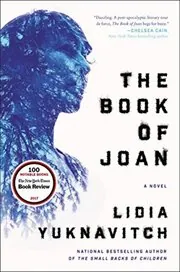
The Book of Joan
by Lidia Yuknavitch
2017
In a ravaged future, survivors live above a ruined Earth under a brutal regime while the legend of Joan, a child warrior with a bond to the planet, sparks revolt. It is part dystopia, part myth, part feminist reckoning.
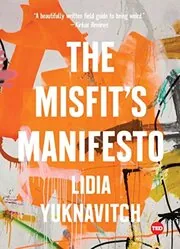
The Misfit's Manifesto
by Lidia Yuknavitch
2017
Expanding on her TED talk, Yuknavitch turns the word misfit into a badge rather than a wound. Part memoir and part call to action, it speaks to anyone who has felt off-script, shut out, or hard to place.
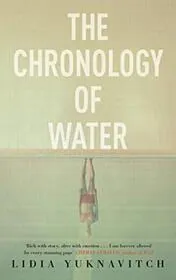
The Chronology of Water
by Lidia Yuknavitch
2019
Yuknavitch's breakthrough memoir moves through abuse, addiction, swimming, sexuality, grief, and art in fragments rather than straight lines. It is fierce, intimate, and deeply interested in how a life gets rebuilt.

Verge
by Lidia Yuknavitch
2020
This collection gathers stories about runaways, migrants, addicts, lovers, and other people living close to the edge. Dark, tense, and surprisingly tender, it watches characters in the split second before they break or change.
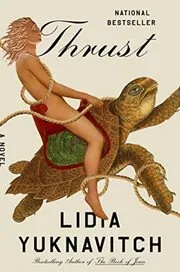
Thrust
by Lidia Yuknavitch
2022
As rising seas swallow New York, a gifted girl named Laisvė moves through water and time, carrying objects and stories across centuries. The novel links climate disaster, state violence, and the unfinished promises of America.
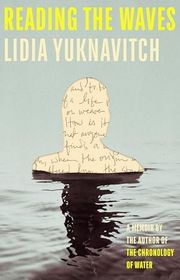
Reading the Waves
by Lidia Yuknavitch
2025
In this later memoir, Yuknavitch revisits memory, trauma, family, desire, and the body with the eye of a working artist. She asks how storytelling can reshape the past without pretending the wounds were simple.
Where to start with Lidia Yuknavitch
If you want the essential memoir: The Chronology of Water → Reading the Waves
If you want her most direct fiction: Dora → The Small Backs of Children
If you want her speculative side: The Book of Joan → Thrust
If you want short fiction: Verge → Her Other Mouths → Real to Reel
If you want essays and ideas first: The Misfit's Manifesto → Allegories of Violence
Lidia Yuknavitch collections, short stories, and related book types
Non-Fiction
Collections
Literary Criticism and Cultural Theory
Standalone Lidia Yuknavitch books
Author bio
Lidia Yuknavitch was born in San Francisco in 1963, and her early life moved through several places that would later echo through her work, including Washington state, Florida, Texas, and Oregon. Before writing became her public life, water did. She was a serious swimmer, and the pool gave her structure, speed, and a way out.
Water came first.
Home was not safe, and she has written openly about an abusive father and a mother struggling with alcoholism. That pressure, and the ways a body stores fear, grief, shame, and desire, became central to her books. As a young woman she went to college on a swimming scholarship in Texas, hoping athletics might carry her into a different future. Instead, addiction and chaos knocked that plan apart.
She did not come to writing by way of tidy ambition.
After more false starts, she found her way to the University of Oregon. There she studied literature, worked with Ken Kesey in a collaborative fiction class, and later earned a PhD in literature. She has said that the death of her daughter was one of the turning points that pushed her toward the art she needed to make. Writing, for her, was not a career plan first. It was a survival practice that slowly turned into a life.
That history pulses through The Chronology of Water, the memoir that brought many readers to her work. The book moves in fragments rather than straight lines as it follows abuse, addiction, sexuality, grief, swimming, and the stubborn work of remaking a self. Years later, Reading the Waves returned to some of the same territory with a different angle. It asks how memory changes over time, how the body keeps score, and how storytelling can help a person look back without pretending the past was simple.
Her fiction takes those concerns and pushes them into new shapes. Dora turns Freud's famous case study into a contemporary coming-of-age novel about a teenage girl fighting for her own voice. The Small Backs of Children follows a group of artists haunted by a war photograph, and it won two Oregon Book Awards. In The Book of Joan, she reimagines Joan of Arc in a ruined future shaped by war, climate collapse, and control. Thrust widens the frame even more, moving through time, rising water, and American history to ask who gets remembered, who gets used, and who gets left behind.
She also writes shorter, sharper books that show another side of her range. Verge gathers stories about runaways, migrants, addicts, lovers, and other people living close to the edge of change. The Misfit's Manifesto, drawn from her TED talk on being a misfit, argues that failure and not belonging can become a starting point instead of a dead end. Across genres, readers often connect with the same things in her work, the bodily intensity, the refusal to turn pain into neat lessons, and the sense that art can grow from wreckage without making the wreckage pretty.
Teaching matters to her, too. She founded Corporeal Writing, a workshop practice built around writing through the body, and she continues to teach in Oregon. She lives there now, still moving between memoir, fiction, and conversation with other writers. Her books rarely travel in straight lines, but they keep returning to a few hard truths, that the body remembers, that language can be a form of rescue, and that people can remake a life more than once.












Edited by
Software engineer whose passion for tracking book recommendations from podcasts inspired the creation of MRB.
Lead investor at 3one4 Capital whose startup expertise and love for books helped shape MRB and its growth.
Comments
Did we miss something? Have feedback?
Help us improve this page by sharing your thoughts