
Leanne Betasamosake Simpson Books in Order
Explore Leanne Betasamosake Simpson books in order, with short summaries, notes, and where-to-start picks for essays, fiction, and story collections.
Last updated:
As an Amazon Associate, we earn from qualifying purchases (at no extra cost to you).
Leanne Betasamosake Simpson books in publication order
9 books

This Is an Honour Song
by Leanne Betasamosake Simpson
2010
Co-edited with Kiera L. Ladner, this anthology gathers essays, poems, and reflections on the 1990 Kanehsatà:ke resistance. It looks at the lasting force of the blockades through memory, art, politics, and community witness.
Dancing on Our Turtle's Back
by Leanne Betasamosake Simpson
2011
Simpson rethinks reconciliation through Nishnaabeg stories, language, and political resurgence. It is a clear, compact introduction to her ideas about governance, education, and rebuilding Indigenous life on its own terms.
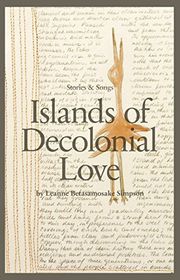
Islands of Decolonial Love
by Leanne Betasamosake Simpson
2013
These linked stories and songs follow contemporary Indigenous characters in reserves, towns, and cities as they try to love, endure, and stay connected. The book is intimate, funny, and painful, with everyday life always shadowed by colonial violence.
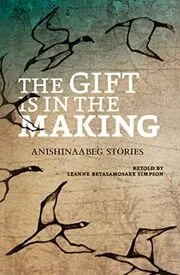
The Gift Is in the Making
by Leanne Betasamosake Simpson
2013
This collection retells traditional Anishinaabeg stories for a new generation, with Nanabush tales, humor, and language woven throughout. Read aloud or alone, the stories carry teachings about responsibility, community, and living well with the land.
As We Have Always Done
by Leanne Betasamosake Simpson
2017
In this sharp work of political thought, Simpson argues that Indigenous freedom grows from land-based knowledge, refusal, and everyday practice. She takes on colonial power directly while imagining grounded alternatives built from Indigenous ways of living.

This Accident of Being Lost
by Leanne Betasamosake Simpson
2017
This collection mixes story, song, lyric fragments, and speculative turns to follow Indigenous lives across Ontario. Crows, flooded cities, lovers, and rebels move through pieces that are slyly funny, wounded, and alert to survival.
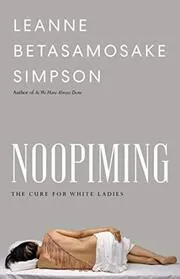
Noopiming
by Leanne Betasamosake Simpson
2020
Frozen beneath the ice, Mashkawaji introduces a chorus of human and more-than-human voices trying to live inside a damaged urban world. Fragmentary, funny, and searching, the novel follows their struggle to reconnect with land, body, and each other.
A Short History of the Blockade
by Leanne Betasamosake Simpson
2021
Using stories about Amik, the beaver, Simpson explores blockades as acts of protection, diplomacy, and world-building. The result is a brief, inventive meditation on Indigenous resistance, listening, and how stories themselves can hold political power.
Rehearsals for Living
by Leanne Betasamosake Simpson
2022
In letters exchanged during a time of pandemic, climate crisis, and uprising, Simpson and Robyn Maynard think together about Black and Indigenous life. Their correspondence moves between friendship, politics, family, grief, and the work of imagining freer worlds.
Where to start with Leanne Betasamosake Simpson
If you want her key nonfiction first: Dancing on Our Turtle's Back → As We Have Always Done → A Short History of the Blockade
If you want fiction and short forms first: Islands of Decolonial Love → This Accident of Being Lost → Noopiming
If you want a collaborative, letter-driven book: Rehearsals for Living
If you want a younger-friendly entry point: The Gift Is in the Making
If you want movement history through many voices: This Is an Honour Song
Leanne Betasamosake Simpson sub-series and character series
Leanne Betasamosake Simpson collections, short stories, and related book types
Non-Fiction
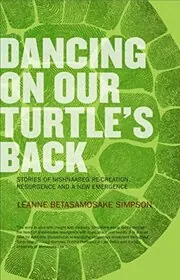
by Leanne Betasamosake Simpson
2011Stories of Nishnaabeg Re-Creation, Resurgence, and a New Emergence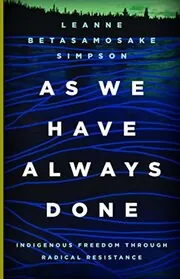
by Leanne Betasamosake Simpson
2017Indigenous Freedom through Radical Resistance
A Short History of the Blockade
by Leanne Betasamosake Simpson
2021Giant Beavers, Diplomacy, and Regeneration in Nishnaabewin
Collections
Standalone Leanne Betasamosake Simpson books
Author bio
Leanne Betasamosake Simpson was born in 1971 and raised in Wingham, Ontario. She is Michi Saagiig Nishnaabeg and a member of Alderville First Nation. Readers often meet her first as a writer, but her work has long moved across books, music, performance, teaching, and political thought, with each part feeding the others.
She did not arrive through a standard literary route. Simpson studied biology, earned a PhD from the University of Manitoba, and then returned to her own community with different questions. She began learning from Elders, spending time on the land, harvesting wild rice and maple syrup, listening closely to language, and treating research as something lived with the body as much as the mind.
That shift stuck.
In interviews, she has said that growing up she rarely saw the lives she knew on the page. Her books answer that absence. They make room for aunties, kids, lovers, organizers, knowledge keepers, and people who are tired, funny, angry, tender, and still trying. Even when she is writing theory, there is usually a story nearby, and even when she is writing fiction, land and responsibility are never far away.
If you want a clear place to start with her nonfiction, Dancing on Our Turtle's Back and As We Have Always Done show how she thinks. Both turn to Nishnaabeg stories, language, and land-based knowledge to talk about governance, education, resistance, and freedom. A Short History of the Blockade takes a shorter, stranger path, using stories about Amik, the beaver, to think through blockades as acts of protection, relation, and world-building.
Her fiction opens outward in a different way. Islands of Decolonial Love and This Accident of Being Lost move through short pieces, songs, and fragments, following contemporary Indigenous lives across reserves, towns, and cities. Noopiming goes further, bringing human and more-than-human voices together in a form that feels like a novel, a chorus, and a long act of listening all at once.
She writes as if story and song were never meant to be separated.
That makes sense because Simpson is also a musician. Rhythm, repetition, and voice matter in her prose, and some projects openly cross the line between page and performance. The Gift Is in the Making retells Anishinaabeg stories for younger readers with warmth and wit. Rehearsals for Living, written with Robyn Maynard, uses letters and friendship to think through Black and Indigenous life during a time of overlapping crisis.
Across genres, a few threads keep returning. Land is never just scenery. Language is not decoration. Community is built through care and obligation, not sentimentality. Her settings often move between bush and city, ceremony and ordinary daily life. Her characters are not symbols, they are people trying to protect what matters while still making room for desire, laughter, kinship, and beauty.
Simpson has spent decades teaching and working in Indigenous land-based education, including with the Dechinta Centre for Research and Learning. She is based in Peterborough, Ontario. The books keep changing shape, but the core stays steady: she writes to think with other people, to tell the truth plainly, and to imagine Indigenous futures.














Edited by
Software engineer whose passion for tracking book recommendations from podcasts inspired the creation of MRB.
Lead investor at 3one4 Capital whose startup expertise and love for books helped shape MRB and its growth.
Comments
Did we miss something? Have feedback?
Help us improve this page by sharing your thoughts