
Lawrence Durrell Books in Order
Browse Lawrence Durrell books in order, from the Alexandria Quartet to the travel books, with short summaries, series guides, and where to start.
Last updated:
As an Amazon Associate, we earn from qualifying purchases (at no extra cost to you).
Lawrence Durrell books in publication order
46 books
Pied Piper of Lovers
by Lawrence Durrell
1935
Durrell's first novel follows Lawrence Lucifer, a young man suffocating in England and yearning for a fuller life elsewhere. It is strongly autobiographical, already full of exile, frustration, and the pull of the Mediterranean.
The Black Book
by Lawrence Durrell
1937
This early experimental novel attacks the dead weight of English life through a wild, intimate collage of voices and scenes. Banned in Britain for years, it is Durrell at his rawest and most unruly.
Reflections on a Marine Venus
by Lawrence Durrell
1943
Posted to Rhodes after the war, Durrell writes about the island through its history, myths, and damaged present. The result is thoughtful travel writing with a strong sense of aftermath.
Prospero's Cell
by Lawrence Durrell
1945
Durrell's Corfu book is a love letter to an island, its light, history, and odd local life. More than travel writing, it captures the feeling of finding a place that reshapes the mind.
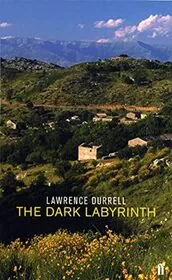
The Dark Labyrinth
by Lawrence Durrell
1947
A visit to Crete leads a group of modern travelers into a landscape haunted by the ancient labyrinth. Part adventure and part psychological fable, the novel turns myth into a trap they can feel.

Key to Modern British Poetry
by Lawrence Durrell
1952
Durrell steps into criticism here, offering a readable guide to modern British poetry and the writers who shaped it. It is less dry survey than engaged argument from a practicing poet.
White Eagles Over Serbia
by Lawrence Durrell
1954
Set in Serbia, this novel turns to war, upheaval, and the strain history places on private loyalties. Durrell brings Balkan atmosphere and a sense of danger to the foreground.
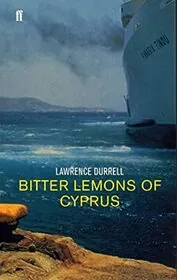
Bitter Lemons of Cyprus
by Lawrence Durrell
1957
Durrell's memoir of Cyprus begins with village life, house hunting, and island charm, then darkens as politics turn violent. It is both a personal record and a portrait of a place pulled into history.

Collected Poems 1931-1974
by Lawrence Durrell
1957
This large volume gathers more than four decades of Durrell's poetry. It lets readers follow the movement from youthful experiment to later poems shaped by travel, memory, landscape, and metaphysical play.

Esprit de Corps
by Lawrence Durrell
1957
Drawing on diplomatic life in the Balkans, these sketches turn embassy routine into high comedy. Antrobus and company spend as much time managing egos, meals, and mishaps as actual affairs of state.
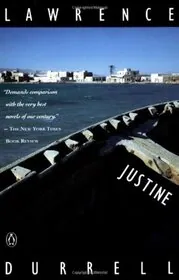
Justine
by Lawrence Durrell
1957
In prewar Alexandria, Darley looks back on his affair with the brilliant, elusive Justine Hosnani. Love story, city portrait, and mystery novel all at once, it opens Durrell's great sequence in a haze of desire and memory.

Selected Poems
by Lawrence Durrell
1957
A shorter way into Durrell's verse, this selection highlights the poems that matter most across his middle years. Mediterranean light, private feeling, and a strong sense of place run through the book.
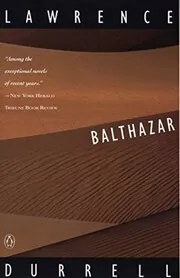
Balthazar
by Lawrence Durrell
1958
Darley's version of events does not survive Balthazar's fierce rereading. This second Alexandria novel revises old loves, exposes hidden motives, and makes the whole series feel deeper and less certain.
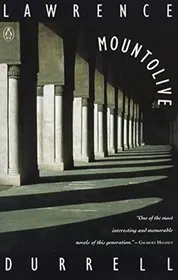
Mountolive
by Lawrence Durrell
1958
The third Alexandria novel retells familiar events through the eyes of diplomat David Mountolive. What seemed private and romantic suddenly becomes political, with espionage, gunrunning, and imperial pressure reshaping everything.

Stiff Upper Lip
by Lawrence Durrell
1958
More diplomatic misadventures follow in this second Antrobus collection. Durrell finds comedy in protocol, food, foreign postings, and the absurd confidence of men who think they are running the world.
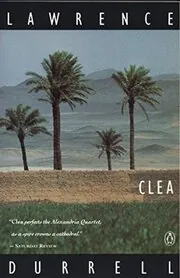
Clea
by Lawrence Durrell
1960
Darley returns to Alexandria years after the earlier novels and finds both the city and himself changed by war. His bond with the painter Clea gives the Quartet a more mature, hard-won emotional center.

Sappho
by Lawrence Durrell
1962
Written in verse and shaped like a Greek tragedy, this play returns to ancient Lesbos and the figure of Sappho. Durrell uses the classical setting to think about love, loss, war, and shattered ideals.

Lawrence Durrell & Henry Miller: A Private Correspondence
by Lawrence Durrell
1963
These letters trace a long literary friendship that began with admiration and turned into decades of argument, encouragement, and gossip. For readers of either writer, it offers a vivid back room view.

Letters, 1935-80
by Lawrence Durrell
1963
These letters show Durrell at work and in company, thinking about books, friendships, travel, and the daily business of being an author. The collection adds warmth and argument to the public image.

Sauve Qui Peut
by Lawrence Durrell
1966
The third Antrobus book sends British diplomats stumbling through jealousies, duels, protocol disasters, and petty crises. The joke, again and again, is that the biggest problems are rarely diplomatic.

The Ikons and Other Poems
by Lawrence Durrell
1967
This collection brings together Durrell's later poetry in a mode that is reflective, learned, and often rooted in place. History, private thought, and spiritual curiosity all move through the verse.
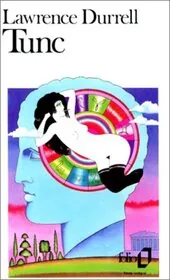
Tunc
by Lawrence Durrell
1968
Inventor Felix Charlock is drawn into the orbit of Merlins, a global corporation whose contracts grip both his work and his private life. Durrell turns science, marriage, and power into a restless dystopian thriller of ideas.

Spirit of Place
by Lawrence Durrell
1969
Letters and essays from across Durrell's career show how deeply he cared about landscape, weather, and the feel of a city. This collection is one of the best places to meet his travel writing mind.
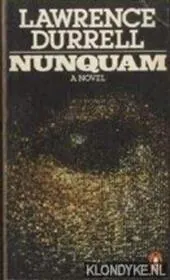
Nunquam
by Lawrence Durrell
1970
Felix Charlock's battle with the all-reaching Firm grows stranger and darker in this sequel to Tunc. Technology, madness, and corporate power blur together as Durrell pushes his dystopian vision into more unsettling territory.

Ulysses Come Home
by Lawrence Durrell
1970
This compact prose work circles one of Durrell's favorite questions, what it means to wander and what it means to return. It reads like a brief meditation on travel, identity, and home.

On the Suchness of the Old Boy
by Lawrence Durrell
1972
A late poetry collection, this book shows Durrell in a looser, more meditative register. The poems mix wit, aging, philosophy, and the long afterlife of memory.

The Big Supposer
by Lawrence Durrell
1973
In this book-length conversation with Marc Alyn, Durrell talks about poetry, fiction, travel, and the working life of a writer. It is a lively way to hear his ideas in a more direct voice.

Vega and Other Poems
by Lawrence Durrell
1973
These later poems keep returning to travel, eros, landscape, and the life of the mind. The tone is seasoned and reflective, with flashes of the lush music readers know from the fiction.

The Best of Antrobus
by Lawrence Durrell
1974
This selection gathers the funniest Antrobus stories from across Durrell's diplomatic sketches. If you want the comic embassy world without reading every volume, this is the handy place to begin.

Blue Thirst
by Lawrence Durrell
1975
These two lectures look back on the worlds that made Durrell, Corfu before the war and the strange life of the diplomatic service. Brief and graceful, they read like spoken memoir.
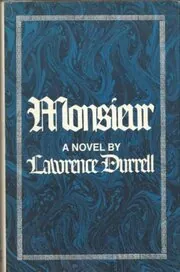
Monsieur
by Lawrence Durrell
1975
Bruce Drexel returns to Provence after his lover Piers de Nogaret dies, and grief opens into a far larger mystery. Avignon, Egypt, a Gnostic cult, and competing narrators make this an intricate and unsettling beginning.
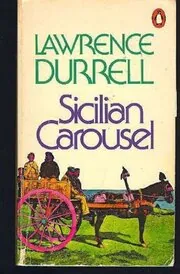
Sicilian Carousel
by Lawrence Durrell
1977
A fast package tour gives Durrell an excuse to wander through Sicily's history, ruins, towns, and odd fellow travelers. The book balances sharp observation, humor, and a lingering sense of the island's layered past.
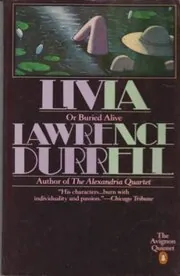
Livia or Buried Alive
by Lawrence Durrell
1978
Aubrey Blanford, Constance, and the chilling Livia move through a world of obsession, cruelty, and unstable identities. The second Avignon novel deepens the series' mix of wartime darkness, sexuality, and metafictional play.
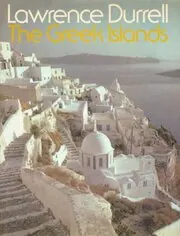
The Greek Islands
by Lawrence Durrell
1978
Durrell ranges across the islands of Greece with history, myth, and personal memory all in view. It is less a guidebook than a vivid companion for readers who want the feel and past of each place.
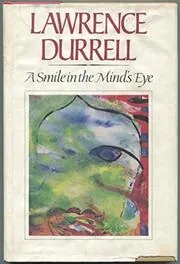
A Smile in the Mind's Eye
by Lawrence Durrell
1982
This short memoir grows out of Durrell's friendship with Taoist thinker Jolan Chang. It becomes a reflective, sometimes playful meditation on philosophy, sex, cooking, poetry, and spiritual curiosity.
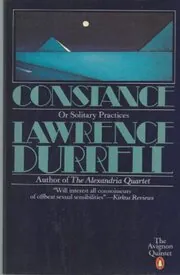
Constance, or Solitary Practices
by Lawrence Durrell
1982
War breaks apart the world Constance thought she knew. Moving through France, Geneva, Egypt, and beyond, the novel blends grief, desire, espionage, and Durrell's trademark game of fiction folding into fiction.
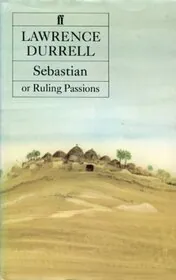
Sebastian, or, Ruling Passions
by Lawrence Durrell
1983
Set largely in postwar Switzerland, this novel follows Constance and Sebastian Affad as love, psychiatry, and spiritual crisis become tangled together. A threatened child and a troubled Gnostic circle keep the stakes intimate and eerie.
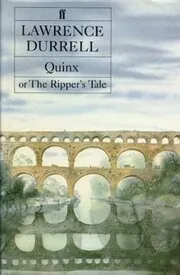
Quinx
by Lawrence Durrell
1985
The final Avignon novel gathers its scattered survivors in the uneasy peace after World War II. Treasure hunts, double agents, psychoanalysis, and questions about what is real push the whole sequence toward a strange ending.
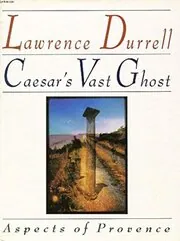
Caesar's Vast Ghost
by Lawrence Durrell
1990
In this late travel work, Durrell roams Provence through history, memory, and conversation. Roman ruins, old myths, and the texture of southern France all matter as much as the journey itself.

Henri Michaux
by Lawrence Durrell
1990
Durrell offers a concise introduction to Henri Michaux, focusing on the writer and painter's restless imagination. It is part appreciation, part critical sketch, and a good glimpse of Durrell as a reader.
Provence
by Lawrence Durrell
1990
Durrell's late portrait of Provence is part travel book, part notebook, part personal farewell. He moves through Roman history, local legend, and the daily life of southern France with a writer's eye for place.

Pope Joan
by Lawrence Durrell
2000
Durrell's version of Emmanuel Rhoides's irreverent classic retells the legend of a woman who rises to the papacy in disguise. History, satire, and anti-clerical wit drive the book more than solemn realism.
Panic Spring
by Lawrence Durrell
2008
On the Greek island of Mavrodaphne, exiles, dreamers, and drifters try to build a life while Europe edges toward crisis. The novel shifts between viewpoints, mixing island beauty with anxiety, money troubles, and political unrest.
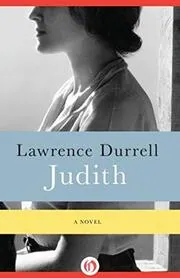
Judith
by Lawrence Durrell
2012
Set in 1948 as the British leave Palestine, this late-published novel follows Judith Roth, a camp survivor searching for safety in a land being remade by war. Personal grief and state-making collide from the first page.

From the Elephant's Back
by Lawrence Durrell
2015
This posthumous collection gathers rare essays, letters, and travel pieces, many long hard to find. It shows Durrell thinking about place, politics, literary friends, and the craft that shaped his later work.
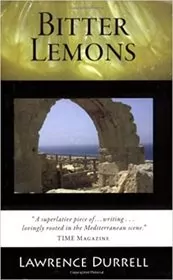
Bitter Lemons
by Lawrence Durrell
Lawrence Durrell recalls his years living in Cyprus, describing village life, local friendships and the pleasures of settling in Bellapais. His account shifts as demands for union with Greece and resistance to British rule bring increasing tension and violence.
Recommended by
1 person Christopher Hitchens recommended this book
Christopher Hitchens
"[The author's] beautiful but patronizing memoir." - Christopher Hitchens
Christopher Hitchens's recommendation of this book
Where to start with Lawrence Durrell
If you want the classic Durrell: Justine → Balthazar → Mountolive → Clea
If you prefer Mediterranean travel writing: Prospero's Cell → Reflections on a Marine Venus → Bitter Lemons of Cyprus
If you want ambitious later fiction: Monsieur → Livia or Buried Alive → Constance, or Solitary Practices
If you want something lighter and funny: Esprit de Corps → Stiff Upper Lip → Sauve Qui Peut
Lawrence Durrell sub-series and character series
The Avignon Quintet books in order
Explore this seriesThe Avignon Quintet books in chronological order
The Revolt of Aphrodite books in order
Explore this seriesLawrence Durrell collections, short stories, and related book types
Plays
Non-Fiction
Collections
Standalone Lawrence Durrell books
Author bio
Lawrence Durrell was born in Jalandhar, India, on February 27, 1912, to British parents whose lives were tied to colonial India. He spent his early childhood there and was educated in India until he was sent to England as a boy. England never felt like home to him. That sense of being slightly out of place, culturally, emotionally, even geographically, stayed with him and fed a lot of his writing.
He started writing early and never really stopped.
Durrell disliked formal schooling, but he took poetry seriously from his teens. By his early twenties he was already publishing, and in 1935 his first novel, Pied Piper of Lovers, appeared. That same year he married Nancy Myers and persuaded his family, including his younger brother Gerald Durrell, to move to Corfu. The island gave him what England had not, light, sea, cheap living, and the feeling that life and art could belong together.
Corfu mattered. So did friendship.
In those years he began a long friendship and correspondence with Henry Miller, whose encouragement helped stiffen his resolve as a writer. Early books like Panic Spring and The Black Book show him trying out voices, structures, and attitudes that would later become unmistakably his own. The Black Book, especially, was a turning point, raw, experimental, and too much for British publishers of the time.
The Second World War pushed him into a different kind of life. Durrell served in the British Diplomatic Corps and worked as a press attaché in places including Cairo and Alexandria. Later he was in Rhodes, and after the war he also worked in the Balkans and elsewhere. Those years gave him material in two very different directions. On one side came the comic diplomatic sketches collected in the Antrobus stories. On the other came the richer, more layered fiction that drew on the Mediterranean, wartime politics, and the half-chaotic lives of expatriates.
Most readers meet him through The Alexandria Quartet, the four linked novels Justine, Balthazar, Mountolive, and Clea. They made his name in a big way. Readers still come to them for the charged atmosphere of Alexandria, the shifting points of view, and the way private desire is tangled up with politics, espionage, religion, and memory. Just as important are the travel books, especially Prospero's Cell, Reflections on a Marine Venus, and Bitter Lemons of Cyprus. In those books, people often find the same gifts as in the fiction, a love of landscape, a sharp eye for local life, and a sense that places shape the people who live in them.
Place was never just scenery for him.
Durrell lived in Cyprus from 1953 to 1956, then spent much of the rest of his life in the south of France. His later fiction grew stranger and more ambitious, especially in The Revolt of Aphrodite and The Avignon Quintet. The first volume of the Quintet, Monsieur, won the James Tait Black Memorial Prize, and Constance was shortlisted for the Booker Prize in 1982. By then he had also built up a large body of poems, essays, letters, plays, and travel writing.
What readers tend to like in Durrell is not neat plotting or plain realism. It is the atmosphere, the city streets, the sea light, the odd diplomats, the exiles, the lovers, the sense that identity is never fixed and that every story looks different when seen again from another angle. He died in Sommières, France, on November 7, 1990. But if you open almost any of his best books, Corfu, Alexandria, Rhodes, Cyprus, Provence, they are still very much alive on the page.





Edited by
Software engineer whose passion for tracking book recommendations from podcasts inspired the creation of MRB.
Lead investor at 3one4 Capital whose startup expertise and love for books helped shape MRB and its growth.
Comments
Did we miss something? Have feedback?
Help us improve this page by sharing your thoughts