
Last Survivors Books in Order
Part ofSusan Beth Pfeffer Books in OrderSee the Last Survivors books in order by Susan Beth Pfeffer, with summaries, reading order, series background, and tips on where to start.
Last updated:
As an Amazon Associate, we earn from qualifying purchases (at no extra cost to you).
Last Survivors books in publication order
4 books
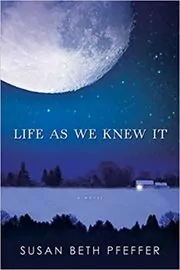
Life as We Knew It
by Susan Beth Pfeffer
2006
When an asteroid knocks the moon closer to Earth, sixteen-year-old Miranda watches tides, weather, food, and everyday life collapse. Told through her diary, it's a tense survival story about family, hunger, and endurance.
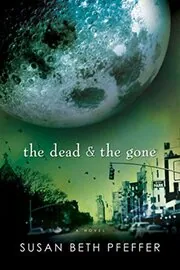
The Dead and the Gone
by Susan Beth Pfeffer
2008
In a devastated New York City, Alex Morales must keep his two younger sisters alive after the same moon disaster shatters the world. Faith, duty, and dwindling supplies drive this grim companion novel.
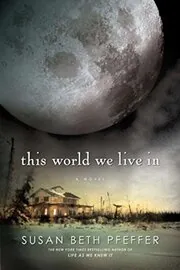
This World We Live In
by Susan Beth Pfeffer
2010
A year into the catastrophe, Miranda's isolated Pennsylvania household takes in Alex and his sisters. Hunger, illness, and the arrival of strangers test what hope and family can still mean.

The Shade of the Moon
by Susan Beth Pfeffer
2013
Jon Evans tells the next stage of survival, when a fragile return of order brings fresh dangers and painful choices. After years of crisis, the question is no longer only who lives, but how.
Last Survivors books in chronological order
Series background & context
The Last Survivors books begin with a huge event and then stay stubbornly human. An asteroid hits the moon and knocks it closer to Earth. That shift wrecks tides, weather, crops, power, transportation, and just about every ordinary system people depend on. Pfeffer does not build this series around chosen ones or action heroes. She keeps the camera close to teenagers who are scared, hungry, and trying to protect the people they love.
That choice is what gives the series its punch.
Life As We Knew It follows Miranda in a small Pennsylvania town as the disaster rolls forward in waves, first strange news reports, then panic, then cold, sickness, and food shortages. The Dead and the Gone moves the story to New York City and shifts to Alex Morales, who suddenly has to become the head of his family and keep his younger sisters alive. This World We Live In brings those storylines together. The Shade of the Moon then looks at what survival means when the first shock has passed but stability is still far away.
The ongoing tension in these books is rarely about defeating a villain. It is about rationing canned food, deciding who to trust, keeping a home warm, walking instead of driving, praying when answers do not come, and figuring out whether kindness is still possible when everyone has too little. That makes the series feel different from slicker dystopias. The danger is huge, but the storytelling stays personal.
The settings matter a lot. Rural Pennsylvania and New York City produce different kinds of fear, different resources, and different blind spots. Miranda's family has a house, a woodstove, and a little land, but that does not save them from isolation or hunger. Alex has the city around him, but the city becomes its own trap. Later books widen the emotional map without losing the sense that survival happens one day at a time.
The tone is bleak, but not empty. Pfeffer is interested in endurance, family loyalty, religious faith, guilt, and the cost of growing up too fast. Readers who like disaster fiction often remember these books not for spectacle, but for the small details, the pantry shelves, the fever, the silence after the power dies, the constant counting of what is left. That is the real engine of the series.
If you are starting fresh, publication order is the right way to go. Each book adds a new angle, but they work best when the world keeps narrowing and then slowly opens back up again.












Edited by
Software engineer whose passion for tracking book recommendations from podcasts inspired the creation of MRB.
Lead investor at 3one4 Capital whose startup expertise and love for books helped shape MRB and its growth.
Comments
Did we miss something? Have feedback?
Help us improve this page by sharing your thoughts