
Landmark Giant Books in Order
Part ofRobert Leckie Books in OrderFind the Landmark Giant books by Robert Leckie in order, with quick summaries, series background, and help choosing where to start with these broad history reads.
Last updated:
As an Amazon Associate, we earn from qualifying purchases (at no extra cost to you).
Landmark Giant books in publication order
3 books
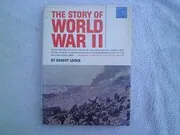
The Story of World War II
by Robert Leckie
1964
Written for younger readers, this book traces World War II from the invasion of Poland to Japan's surrender. Leckie turns a huge conflict into a clear, fast-moving overview of the main campaigns, leaders, and turning points.
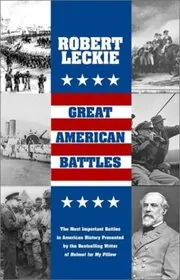
Great American Battles
by Robert Leckie
1968
Leckie surveys key American battles from the French and Indian War through Korea. It is a brisk history for younger readers, built around decisive fights that show how strategy, leadership, and luck changed the country's path.
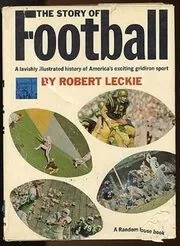
The Story Of Football
by Robert Leckie
1973
Leckie gives younger readers a broad history of football, from the game's rough early years to its modern form. Along the way he explains how rules, tactics, and standout players helped turn it into a major American sport.
Landmark Giant books in chronological order
Series background & context
Robert Leckie's Landmark Giant books are not a story series in the usual sense. They are big-subject history books for younger readers, linked by format, tone, and Leckie's habit of turning a huge topic into something clear and readable. Instead of asking you to follow one hero from chapter to chapter, they ask you to follow an era, a conflict, or even a whole sport.
That range is part of what makes the group interesting. The Story of World War II takes on a global war. Great American Battles jumps across centuries to show how individual fights shaped the United States. The Story Of Football changes fields completely and looks at how a rough, evolving game became a major part of American life. On paper, those subjects are miles apart. In practice, Leckie approaches all of them the same way.
He starts with action, then explains why the action mattered.
In these books, Leckie is less interested in academic debate than in giving younger readers a strong first grasp of the subject. He likes turning points, dramatic decisions, memorable personalities, and scenes that help history stick in the mind. When he writes about war, he keeps battles in sequence and shows how one decision leads to another. When he writes about football, he treats games, rules, and strategy with the same reporter's instinct for pace and decisive moments.
The result is a set of books that work well as entry points. They are useful if you want a broad overview before moving on to denser history, but they are also enjoyable on their own because Leckie knows how to keep things moving. He does not talk down to younger readers. He assumes they can handle scale, dates, leaders, and conflict, as long as the story is told plainly and the stakes are easy to see.
If you are coming to the Landmark Giant books now, expect clear narrative history rather than deep analysis. These are overview books built to orient, spark curiosity, and make big subjects manageable. What links them is not one ongoing plot, but Leckie's steady voice as a guide, practical, fast, and always looking for the moment when a complicated subject suddenly comes into focus.







Edited by
Software engineer whose passion for tracking book recommendations from podcasts inspired the creation of MRB.
Lead investor at 3one4 Capital whose startup expertise and love for books helped shape MRB and its growth.
Comments
Did we miss something? Have feedback?
Help us improve this page by sharing your thoughts