
L.A. Quartet Books in Order
Part ofJames Ellroy Books in OrderSee the L.A. Quartet by James Ellroy in order, with book summaries, key characters, series background, and where this dark Los Angeles saga fits in his world.
Last updated:
As an Amazon Associate, we earn from qualifying purchases (at no extra cost to you).
L.A. Quartet books in publication order
4 books
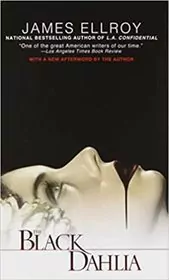
The Black Dahlia
by James Ellroy
1987
Two Los Angeles cops, boxing partners Dwight "Bucky" Bleichert and Lee Blanchard, become obsessed with the real 1947 Black Dahlia murder, and their hunt for Elizabeth Short’s killer pulls them into a maze of Hollywood dreams, corruption, and personal betrayal.
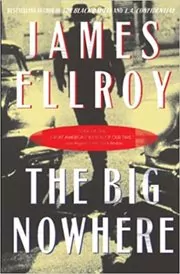
The Big Nowhere
by James Ellroy
1988
Set amid the early-1950s Red Scare, The Big Nowhere weaves together a deputy sheriff chasing a sadistic sex killer, a disgraced ex-cop working for gangsters and Howard Hughes, and an ambitious LAPD lieutenant caught between political witch hunts and his conscience.
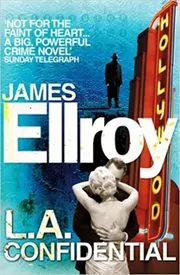
L.A. Confidential
by James Ellroy
1990
Spanning most of the 1950s, L.A. Confidential tracks three very different LAPD officers—ladder-climbing Ed Exley, brutal enforcer Bud White, and celebrity cop Jack Vincennes—as a diner massacre exposes a far-reaching web of police corruption, tabloid scandals, and organized crime.
Recommended by
1 person Andy Greenwald recommended this book
Andy Greenwald
Andy Greenwald recommended this book on Twitter.
Andy Greenwald's recommendation of this book
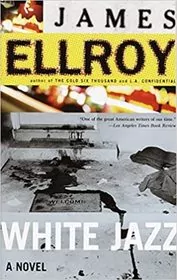
White Jazz
by James Ellroy
1992
Vice lieutenant Dave Klein is both cop and contract killer, juggling law school, mob work, and dirty assignments for his superiors until a burglary case and federal investigation start prying open years of LAPD corruption, leaving him scrambling to save himself and his sister.
L.A. Quartet books in chronological order
Series background & context
The L.A. Quartet is Ellroy’s landmark sequence about Los Angeles between the late 1940s and late 1950s, told through cops, crooks, starlets, and scandal‑sheet reporters. Each novel stands alone, but together they form a dense mosaic of a city built on secrets and public spectacle.
The Black Dahlia opens the cycle in the shadow of the real 1947 murder of Elizabeth Short. Boxers‑turned‑cops Dwight 'Bucky' Bleichert and Lee Blanchard ride a wave of publicity into the investigation and become consumed by it. Their obsession with the dead woman exposes Hollywood’s underbelly, class resentments, and their own tangled feelings about love, guilt, and ambition.
In The Big Nowhere, the focus shifts to 1950 and the Red Scare. Deputy sheriff Danny Upshaw hunts a series of grotesque sex killings while a grand‑jury red squad tries to root out supposed communists in the movie business. Buzz Meeks, an ex‑cop working for gangster Mickey Cohen and Howard Hughes, and LAPD lieutenant Mal Considine are dragged into overlapping investigations that show how politics, paranoia, and private appetites feed off one another.
L.A. Confidential spans much of the 1950s and follows three very different LAPD officers—ladder‑climbing Edmund Exley, brutal enforcer Bud White, and celebrity vice cop Jack Vincennes. A massacre at the Nite Owl coffee shop sets off a chain of scandals involving tabloid magazine Hush‑Hush, prostitution rings, racial violence, and battles inside the department, as the three men collide and, sometimes, converge.
The quartet closes with White Jazz, a feverish first‑person confession by vice lieutenant Dave Klein. As federal investigators circle and City Hall tries to contain decades of corruption, Klein’s work as a mob hit man and fixer comes back on him. The book compresses Ellroy’s style into short, jagged bursts that mirror Klein’s fraying mind.
Across all four novels, real events like the Black Dahlia case, Bloody Christmas, and the Zoot Suit era bleed into fictional plots. Characters reappear at different ages and angles, and seemingly minor figures in one book become crucial in another. Readers who go through the sequence in order get a growing sense of how Ellroy’s Los Angeles changes from postwar boomtown to paranoid, wired‑together police state.
The L.A. Quartet can be read before or after the Second L.A. Quartet, which serves as a sprawling set of prequels. Either way, these books are the core of Ellroy’s vision of Los Angeles—hard‑boiled, intricate, and attuned to the uneasy mix of glamour and brutality.




Edited by
Software engineer whose passion for tracking book recommendations from podcasts inspired the creation of MRB.
Lead investor at 3one4 Capital whose startup expertise and love for books helped shape MRB and its growth.
Comments
Did we miss something? Have feedback?
Help us improve this page by sharing your thoughts