
Kenzaburo Oe Books in Order
Kenzaburo Oe is a series of 15 books written by Kenzaburo Oe.
Here, you can see them all in order! (publication year included)
Last updated: 15 new books added
As an Amazon Associate, we earn from qualifying purchases (at no extra cost to you).
Kenzaburo Oe books in publication order
15 books
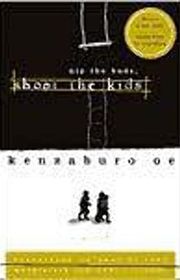
Nip the Buds, Shoot the Kids
by Kenzaburo Oe
1958
Fifteen boys from a reformatory are evacuated to a remote village during wartime, where the residents despise them. When disease sends the villagers fleeing, the abandoned boys attempt to build their own community under the shadow of death and war.
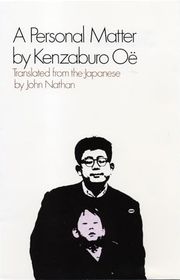
A Personal Matter
by Kenzaburo Oe
1964
Bird, an unhappy intellectual trapped in a failing marriage, dreams of escaping his life. The birth of a son with a severe brain condition forces him to confront responsibilities he would rather avoid and the limits of his imagined freedom.
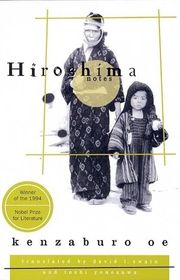
Hiroshima Notes
by Kenzaburo Oe
1965
Kenzaburo Oe records the experiences of Hiroshima’s survivors and the people who cared for them after the atomic bombing. His reflections confront the enduring physical and moral consequences of nuclear destruction while emphasizing the dignity of those living with its aftermath.
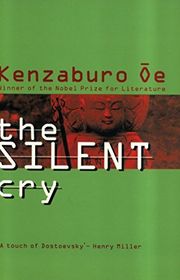
The Silent Cry
by Kenzaburo Oe
1967
Two brothers return from Tokyo to their childhood village to sell the family home. Their efforts to reconnect with the countryside lead instead to painful confrontations with family history, social change and the tensions shaping their relationship.
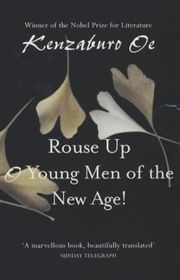
Rouse Up, O Young Men of the New Age!
by Kenzaburo Oe
1983
A Tokyo novelist retreats into William Blake’s poetry while struggling to understand his disabled son’s disturbing behavior. Family crises force him to question his failures as a father, reconsider his own upbringing and look beyond intellectual explanations.
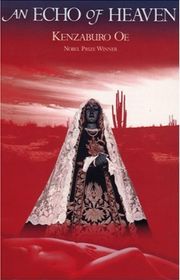
An Echo of Heaven
by Kenzaburo Oe
1989
After losing both her sons, Marie Kuraki leaves Japan searching for spiritual peace. Her journey through a California commune and Mexico brings her to a community that casts her as a saint, although her own faith remains uncertain.
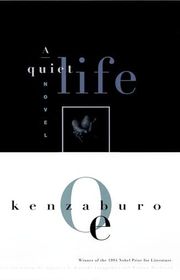
A Quiet Life
by Kenzaburo Oe
1990
When her novelist father takes a teaching post abroad, twenty-year-old Ma-chan becomes responsible for the household and her disabled, musically gifted brother. Her new position forces her to reconsider the family relationships that have left her feeling peripheral.
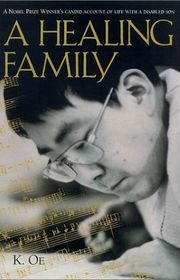
A Healing Family
by Kenzaburo Oe
1995
Kenzaburo Oe reflects on family life, especially raising his son Hikari, whose disabilities coexist with a remarkable musical gift. Personal memories explore care, suffering, artistic expression and the unexpected forms of courage and connection that sustain a family.
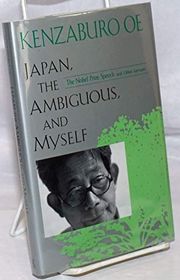
Japan, the Ambiguous, and Myself
by Kenzaburo Oe
1995
Kenzaburo Oe’s Nobel address and other lectures examine literature’s moral responsibilities and Japan’s uncertain relationship with its past. He reflects on tolerance, the renunciation of war and the capacity of art to offer understanding and healing.
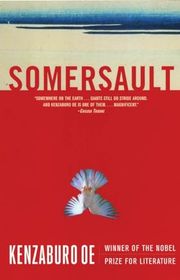
Somersault
by Kenzaburo Oe
1999
Two religious leaders revive their movement years after publicly abandoning it to prevent an apocalypse. As followers gather at a new mountain base, competing factions, charismatic ambitions and unresolved grievances threaten to turn spiritual renewal into another catastrophe.
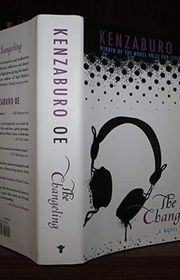
The Changeling
by Kenzaburo Oe
2000
Novelist Kogito Choko hears his estranged brother-in-law announce his departure into death on a recorded tape, then learns he has died by suicide. Searching for an explanation, Kogito revisits their friendship and the unresolved memories binding their lives.
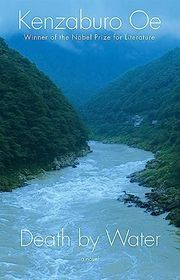
Death by Water
by Kenzaburo Oe
2009
Novelist Kogito Choko returns to his hometown hoping family documents will explain his father’s wartime drowning. When the evidence disappoints him, collaboration with a theater troupe reopens questions about memory, guilt and the story he has long wanted to write.
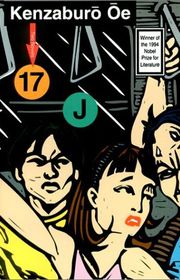
Seventeen/J
by Kenzaburo Oe
Two works explore alienation and destructive impulses in postwar Japan. One follows a lonely teenager drawn into violent right-wing politics; the other depicts an increasingly isolated young man whose disturbing behavior exposes a different face of social dislocation.
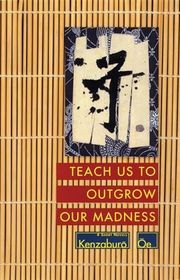
Teach Us to Outgrow Our Madness
by Kenzaburo Oe
Four short novels explore troubled families, wartime encounters and the unstable boundary between memory and imagination. Fathers, sons and outsiders struggle with grief, responsibility and disordered perceptions in stories shaped by Japan’s wartime and postwar experience.
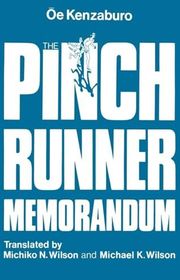
The Pinch Runner Memorandum
by Kenzaburo Oe
A Japanese father and son embark on a bizarre journey that unsettles familiar ideas about family and identity. Their strange odyssey gives Kenzaburo Oe a way to explore the pressures, contradictions and explosive tensions within the nuclear family.






Edited by
Software engineer whose passion for tracking book recommendations from podcasts inspired the creation of MRB.
Lead investor at 3one4 Capital whose startup expertise and love for books helped shape MRB and its growth.
Comments
Spotted a missing book, a wrong order or a mistake? Tell us and we'll fix this page.
We're a reading guide, not the author or publisher, so we can't send books or pass on messages.