
Ken McClure Books in Order
Browse Ken McClure books in order, with short summaries, Steven Dunbar reading order, series background, and where to start with his medical thrillers.
Last updated:
As an Amazon Associate, we earn from qualifying purchases (at no extra cost to you).
Ken McClure books in publication order
26 books
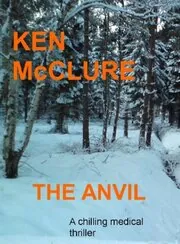
The Anvil / Anvil Agreement
by Ken McClure
1985
A promising drug called Cytogerm has lethal side effects, and the people tied to its development start dying. Dr Sean MacLean, who led the surgical team using it, becomes both investigator and target in a fast, paranoid medical thriller.
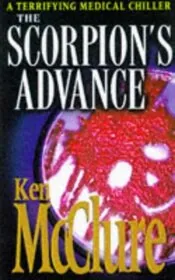
The Scorpion's Advance
by Ken McClure
1986
Bacteriologist Dr Neil Anderson is asked to explain how a healthy medical student became a grotesque corpse within hours. The case starts as a medical mystery and quickly hardens into a tense early thriller.

The Trojan Boy
by Ken McClure
1988
Broken family life and a ruined career leave Dr Mark Avedissian open to a strange offer from British Intelligence. Sent to America with the sister of an IRA man, he is drawn into a ruthless political mission centered on a child.
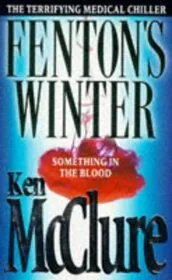
Fenton's Winter
by Ken McClure
1989
Senior biochemist Tom Fenton investigates a string of hospital deaths after a colleague's body is found in a sterilizer. When his nurse girlfriend is accused of murder, the case becomes personal as well as deadly.

Pestilence
by Ken McClure
1991
An outbreak of plague spreads through a busy hospital, and the official story keeps changing. Dr Saracen follows the trail back to the ruins of a medieval monastery, where old history and modern cover-ups meet.

Requiem
by Ken McClure
1992
Journalist James Kincaid starts probing a model NHS hospital after a much-publicized operation and growing hints of secrecy. The deeper he digs into computers, politics, and medical prestige, the closer he gets to a scandal that could cost lives.
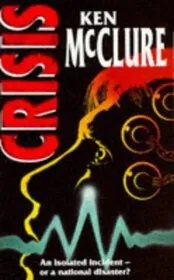
Crisis
by Ken McClure
1993
Three farmworkers die of a rare brain disease, and pathologist Dr Ian Bannerman is sent to investigate quietly. In north-east Scotland he finds a landscape full of unease, where a local tragedy may be the sign of something much larger.
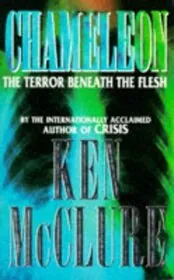
Chameleon
by Ken McClure
1994
Women begin dying from a stubborn hospital infection that resists every known treatment. As fear of an epidemic grows, the outbreak stops looking accidental and the city outside the wards starts to reveal another layer of horror.
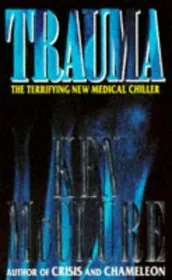
Trauma
by Ken McClure
1995
A vagrant sees a young boy's body dug up and is dismissed, until he dies in suspicious circumstances himself. What looks like routine medical procedure soon opens into a cover-up with terrible implications.
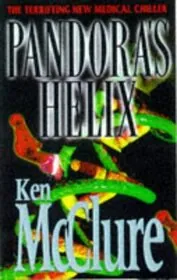
Pandora's Helix
by Ken McClure
1996
Dr Michael Neef believes gene therapy may help his young cancer patients, then two girls die after exposure to a powerful carcinogen. As he searches for the source, hope and medical ambition give way to fear and deadly consequences.
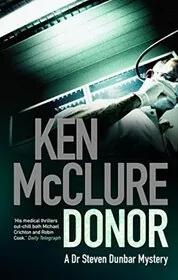
Donor
by Ken McClure
1999
Seven-year-old Amanda Ross is sent to a gleaming private hospital for a life-saving kidney transplant, but something feels wrong. Dr Steven Dunbar goes undercover and uncovers a sinister medical business built on desperation and false hope.
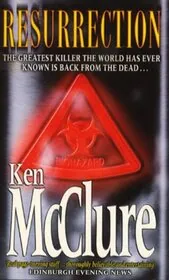
Resurrection
by Ken McClure
1999
Smallpox erupts on an Edinburgh housing estate, and the clues suggest more than a local medical emergency. As virus samples move between research centers, the nightmare possibility of deliberate release turns this into a sharp, high-stakes outbreak thriller.
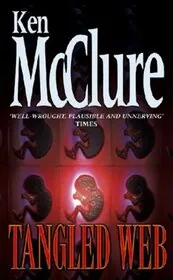
The Tangled Web
by Ken McClure
2000
A baby born without legs is abducted from her cot, and suspicion quickly falls on her parents. Local GP Tom Gordon follows the case from a Welsh village to a hospital and IVF clinic, where a far uglier truth waits.
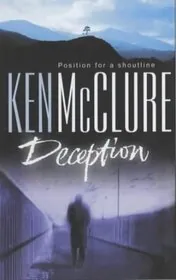
Deception
by Ken McClure
2001
Sent to a village outside Edinburgh, Steven Dunbar investigates attacks by unnaturally aggressive rats and a disputed GM crop. The case widens into a nasty mix of science, politics, and people willing to kill to keep the truth buried.

Wildcard
by Ken McClure
2002
When a passenger dies horribly on a flight from Africa, everyone fears Ebola. Steven Dunbar soon realizes the victims do not fit a simple outbreak, and the hunt for the hidden link becomes a race against a terrifying new virus.
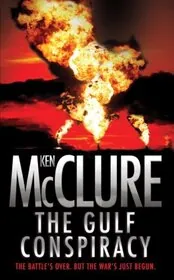
The Gulf Conspiracy
by Ken McClure
2004
Steven Dunbar digs into a murder tied to a secret vaccine accident from the Gulf War era. As veterans keep dying and officials keep denying, he finds a cover-up with military roots and very human costs.
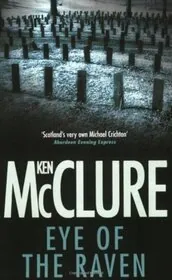
Eye of the Raven
by Ken McClure
2005
A dying psychopath confesses to a notorious murder, even though another man has already been convicted on airtight DNA evidence. Steven Dunbar reopens the shattered case and finds disturbing questions where science and justice should have been certain.
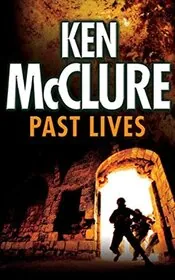
Past Lives
by Ken McClure
2006
A routine brain operation leaves a patient with a shocking personality change, and neurosurgeon John MacAndrew watches his career start to crack. His search for the cause leads into memory, chemical manipulation, and a conspiracy that reaches deep into the past.
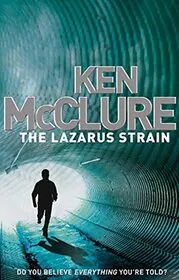
The Lazarus Strain
by Ken McClure
2007
A break-in at a research institute looks like animal-rights vandalism until a leading scientist is found murdered and research monkeys vanish. Steven Dunbar uncovers a secretive experiment and races to stop a disaster that could spread far beyond the lab.
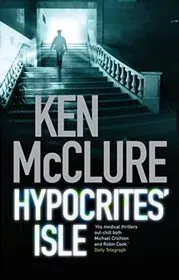
Hypocrites' Isle
by Ken McClure
2009
At Edinburgh medical school, a brilliant PhD student claims he may be close to a cure for cancer. Instead of praise, he and his supervisor meet sabotage, pressure, and a chilling fight over who really benefits from the system.
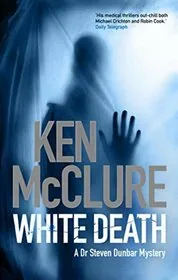
White Death
by Ken McClure
2009
With governments fearing bioterror, vaccine research is pushed too hard and safety starts to slip. Steven Dunbar is pulled into a case of suspicious death and sick children in a grim thriller about panic, policy, and unintended consequences.
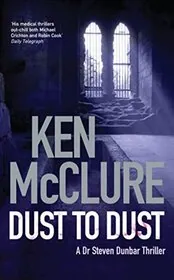
Dust to Dust
by Ken McClure
2010
A scientist hoping to prove the Black Death was viral joins an excavation beneath Dryburgh Abbey, and everything goes wrong. When he emerges deranged, Steven Dunbar must decide whether an ancient tomb has released a modern killer.
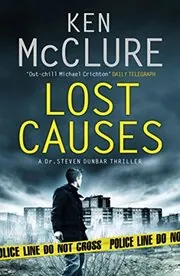
Lost Causes
by Ken McClure
2011
Drawn back to Sci-Med, Steven Dunbar investigates suspicious deaths just as Britain is hit by a bioterror attack using an old disease. The obvious suspects are quickly named, but Steven suspects a darker conspiracy much closer to home.
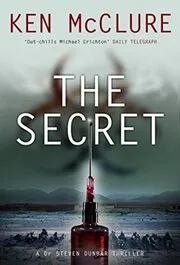
The Secret
by Ken McClure
2013
After the death of old friend Dr Simone Ricard, Steven Dunbar follows a trail from Prague to the polio campaign on the Pakistan-Afghanistan border. What begins as grief becomes a tense investigation into secrecy, vaccination politics, and lives put at risk.
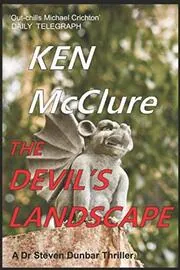
The Devil's Landscape
by Ken McClure
2017
Steven Dunbar looks into blocked funding for neuroscientist Dorothy Lindstrom and her team's work on epigenetics and violent behavior. When one researcher presses ahead despite warnings, the case turns into a dark study of science, power, and human evil.
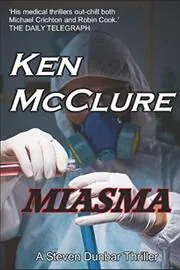
Miasma
by Ken McClure
2019
Steven Dunbar investigates the murders of top medical scientists across Europe. The only obvious link is money, while an Ebola outbreak and Tally's trip to Congo push the case toward a global conspiracy.
Where to start with Ken McClure
If you want Steven Dunbar from the beginning: Donor → Deception → Wildcard
If you want outbreak and biosecurity thrills: The Lazarus Strain → White Death → Dust to Dust
If you prefer strong standalones: Past Lives → Hypocrites' Isle → Resurrection
If you want his later, broader conspiracies: Lost Causes → The Secret → Miasma
Ken McClure sub-series and character series
Standalone Ken McClure books
Author bio
Ken McClure was born and raised in Edinburgh, and that city never seems far from his work. He went to Craiglockhart Primary School and later Boroughmuir High School, where two of his teachers were the poets Norman MacCaig and Sorley MacLean. It is a neat literary footnote, but McClure did not set out with a straight line toward being a novelist.
His early plans were much less bookish. He first imagined a life in the Merchant Navy and spent a year studying engineering in Glasgow before deciding it was not for him. After that came a spell playing guitar in a jazz combo and pop groups, then a more settled job as a junior lab technician at Edinburgh City Hospital.
That hospital job changed the direction of his life. Under the influence of consultant bacteriologist Dr Archie Wallace, McClure started night classes, kept studying, earned a degree from the Open University, and later completed a PhD in molecular genetics at the University of Edinburgh. He went on to work with the Medical Research Council, won the Difco Triennial Prize in 1980, and even had a gene, ftsK, named after him.
Science took him around the world before fiction did.
McClure has said that research work brought him to places like Paris, Madrid, Tel Aviv, and Kansas City. One trip in particular changed everything. After an eventful visit to Tel Aviv University, he sat down and wrote an adventure story set in Israel and shaped by medical science. That book became The Scorpion's Advance, first published in the mid-1980s, and it opened the door to the more than twenty thrillers that followed, with some of the early ones appearing under the name Ken Begg.
For years he did both jobs at once, research by day and fiction by whatever time was left. He once wrote that this combination cost him most of his social life, which feels like an honest way to describe the trade. When funding for his MRC group ended, he chose not to move south to continue the same research path. Instead, in 2000, he made the jump to full-time writing.
Readers tend to come to McClure for the mix of real science and worst-case imagination. Donor introduces Dr Steven Dunbar, the ex-Special Forces medic who became the center of McClure's best-known series. The Lazarus Strain turns a break-in at a research institute and a set of missing monkeys into a deeply uneasy medical thriller. White Death and Dust to Dust push into vaccine fears, outbreaks, and the lingering terror of old diseases. If you want a standalone, Past Lives gives a good sense of his style, part medical mystery, part conspiracy story, with brain surgery and memory at the heart of it.
He likes to start with a real scientific fact and then ask what the worst possible version of that fact might look like.
That approach runs through most of his work. Hospitals, research labs, public health systems, and government agencies show up again and again. So do moral gray areas, who gets treatment, who controls research, what institutions hide, and how quickly good intentions can turn into harm. He once said he hopes readers finish one of his books knowing a little more science than when they started, and that feels like a fair summary of the whole project.
Later author notes place him in East Lothian, just outside Edinburgh, and he has said he still keeps up with scientific journals for new ideas. That ongoing link to real science is probably why his thrillers feel grounded even at their wildest. The plots may spiral into catastrophe, but the starting point is usually something uncomfortably close to real life.












Edited by
Software engineer whose passion for tracking book recommendations from podcasts inspired the creation of MRB.
Lead investor at 3one4 Capital whose startup expertise and love for books helped shape MRB and its growth.
Comments
Did we miss something? Have feedback?
Help us improve this page by sharing your thoughts