
Kaye Gibbons Books in Order
Browse Kaye Gibbons books in order, with short summaries, reading guidance, and clear notes on where to start with her Southern novels and nonfiction.
Last updated:
As an Amazon Associate, we earn from qualifying purchases (at no extra cost to you).
Kaye Gibbons books in publication order
11 books
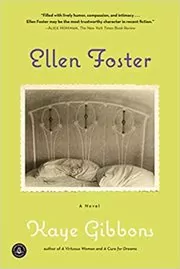
Ellen Foster
by Kaye Gibbons
1987
After her mother's death, sharp, determined eleven-year-old Ellen tries to survive an abusive home and a string of bad placements in the rural South. Her voice is funny, wounded, and impossible to forget.
Recommended by
1 person Oprah Winfrey recommended this book
Oprah Winfrey
Oprah Winfrey recommended this book in "Oprah's Book Club."
Oprah Winfrey's recommendation of this book
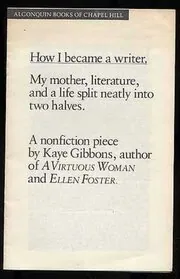
How I became a writer
by Kaye Gibbons
1988
In this autobiographical nonfiction piece, Gibbons reflects on her mother, the books that formed her, and the split between ordinary life and the writing life. It is short, candid, and useful for readers curious about her beginnings.
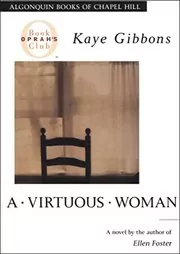
A Virtuous Woman
by Kaye Gibbons
1989
Through the voices of Jack Stokes and Ruby Pitt, this slim novel follows an unlikely marriage between a tenant farmer and a young widow. It is quiet, tender, and deeply aware of work, class, and loss.
Recommended by
1 person- Oprah Winfrey recommended this book
Oprah Winfrey
Oprah Winfrey recommended this book in "Oprah's Book Club."
Oprah Winfrey's recommendation of this book
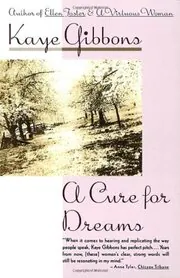
A Cure for Dreams
by Kaye Gibbons
1991
Betty Davies Randolph tells her daughter the stories that shaped their family, especially the life of Betty's mother, Lottie. The result is a warm, talky portrait of Southern women making room for themselves across generations.
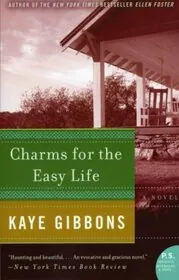
Charms for the Easy Life
by Kaye Gibbons
1993
In rural North Carolina, healer Charlie Kate Birch, her daughter Sophia, and granddaughter Margaret build an offbeat household without much use for men. Their story mixes family comedy, hardship, and the pull of wartime change.
Frost and Flower
by Kaye Gibbons
1995
This brief memoir looks at Gibbons's life with manic depression in her own frank, unsentimental voice. It offers a personal counterpoint to the family struggles she explored in her fiction.
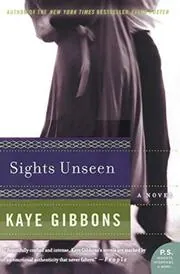
Sights Unseen
by Kaye Gibbons
1995
Hattie Barnes looks back on a 1960s North Carolina childhood shaped by her mother Maggie's manic depression. It is a daughter's story of love, embarrassment, fear, and the hard work of understanding a parent.
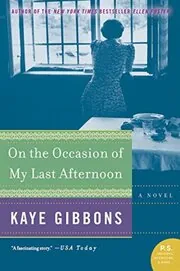
On the Occasion of My Last Afternoon
by Kaye Gibbons
1998
Looking back at the end of her life, Emma Garnet Tate Lowell retraces a journey from plantation girlhood to the Civil War. The novel pairs intimate family memory with a clear-eyed view of slavery, marriage, and loss.
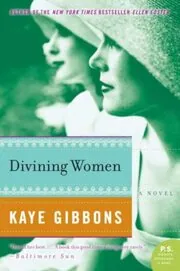
Divining Women
by Kaye Gibbons
2004
In 1918, Mary Oliver arrives in North Carolina to stay with her pregnant aunt Maureen, who is trapped in a cruel marriage as influenza spreads. It is a dark family drama about danger, endurance, and women helping one another.
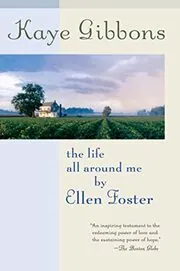
The Life All Around Me By Ellen Foster
by Kaye Gibbons
2005
Now fifteen and living safely with her new mama, Ellen Foster faces adolescence, ambition, and the tug of her old loyalties. The sequel keeps her sharp voice while giving her room to dream bigger.

The Lunatics Ball
by Kaye Gibbons
2011
This turn-of-the-century novel focuses on women in a hospital for the criminally insane. It leans darker than much of Gibbons's early fiction, with confinement and survival at the center.
Where to start with Kaye Gibbons
If you want the book most readers start with: Ellen Foster → The Life All Around Me By Ellen Foster
If you want a quiet love story: A Virtuous Woman
If you like women-centered family stories: A Cure for Dreams → Charms for the Easy Life
If you want historical fiction: On the Occasion of My Last Afternoon → Divining Women
If you want the most personal-feeling novel: Sights Unseen
Kaye Gibbons collections, short stories, and related book types
Non-Fiction
Standalone Kaye Gibbons books
Author bio
Kaye Gibbons was born Bertha Kaye Batts on May 5, 1960, in Nash County, North Carolina, and grew up near Rocky Mount. She came from a poor rural background, the kind of place that later showed up again and again in her fiction, not as scenery but as daily life, with its churches, porches, money worries, gossip, and hard weather.
Her childhood was marked by loss. Her mother died when Gibbons was ten, and her father died a few years later. She spent time with relatives and foster families before finding more stability with her older brother. Those experiences left a clear mark on her work, especially her feel for children who have to grow up too fast and women who keep going when life gives them very little.
She went to North Carolina State University and then transferred to the University of North Carolina at Chapel Hill, where she studied literature and met the teacher who pushed her toward fiction, Louis Rubin. She has said that college reading helped her understand she did not need to sound borrowed or formal. She could use the voices she knew from home.
Then came Ellen Foster.
Published in 1987, when Gibbons was still in her twenties, Ellen Foster introduced one of her most memorable narrators, an eleven-year-old girl trying to survive abuse, grief, and a world that keeps failing her. Readers still come to it for Ellen's tough, funny, plainspoken voice, and for the way the book stays heartbreaking without giving up its grit. The novel won major first-book prizes, later became an Oprah selection, and was adapted for television.
Her next books showed that Ellen Foster was not a lucky first swing. A Virtuous Woman is a spare, moving love story told through the voices of Jack and Ruby Stokes. A Cure for Dreams opens outward into a multigenerational family tale, rich with talk, memory, and female resourcefulness. Charms for the Easy Life brings in Charlie Kate Birch, a folk healer, along with her daughter Sophia and granddaughter Margaret, and many readers love it for the offbeat household those three make together.
North Carolina never really leaves her books.
In Sights Unseen, Gibbons wrote more directly about a daughter's life with a mother whose manic depression shapes the whole household. Later, with On the Occasion of My Last Afternoon and Divining Women, she moved further into historical fiction, but kept the same concerns close at hand: marriage, power, illness, female survival, and the private costs of public history. She writes about class and money with unusual bluntness. People in her novels count bills, trade favors, patch together households, and live with the consequences of illness and bad marriages. Nearly twenty years after her debut, she returned to Ellen in The Life All Around Me By Ellen Foster, picking up the story when Ellen is a teenager.
She has also written nonfiction, including How I became a writer and Frost and Flower, a brief memoir about living with manic depression. Two of her novels, Ellen Foster and A Virtuous Woman, were Oprah selections, and Charms for the Easy Life was adapted for television. France named her a Chevalier of the Order of Arts and Letters in 1996, and North Carolina gave her its literature award in 1998. A lot of her fiction feels spoken before it feels written. What lasts most, though, is her voice: direct, wounded, funny, stubborn, and deeply tuned to girls and women making a life with whatever they have.


Edited by
Software engineer whose passion for tracking book recommendations from podcasts inspired the creation of MRB.
Lead investor at 3one4 Capital whose startup expertise and love for books helped shape MRB and its growth.
Comments
Did we miss something? Have feedback?
Help us improve this page by sharing your thoughts