
Julius Lester Books in Order
Explore Julius Lester's books in publication order, from African American folktales and children's stories to historical novels, memoirs, and nonfiction.
Last updated: 7 new books added
As an Amazon Associate, we earn from qualifying purchases (at no extra cost to you).
Julius Lester books in publication order
49 books
To Be a Slave
by Julius Lester
1968
Accounts from enslaved and formerly enslaved people trace capture in Africa, the Atlantic crossing, plantation labor, and the struggle for freedom. Lester connects these testimonies with historical commentary, placing individual experiences at the center of slavery's history.
Look Out Whitey! Black Power's Gon' Get Your Mama!
by Julius Lester
1969
Writing from his involvement with SNCC, Lester examines Black Power's historical roots and its emergence during the civil rights movement. He explores political independence, economic inequality, and activists' growing dissatisfaction with integration and nonviolent protest.
Search for the New Land
by Julius Lester
1969
Lester combines autobiography, modern American history, and poetic reflection to examine the upheavals of the 1960s. His personal account follows political commitment and disillusionment, asking how people can sustain hope while struggling toward a different society.
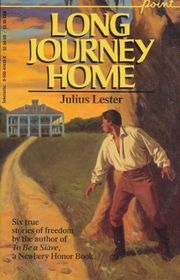
Long Journey Home
by Julius Lester
1972
Six historically grounded stories follow Black Americans struggling for freedom and dignity under slavery. A blues singer, a cowboy, separated lovers, and an Underground Railroad traveler reveal individual lives shaped by oppression and the determination to escape its limits.
The Knee-High Man and Other Tales
by Julius Lester
1972
Six stories from African American folklore explore animal rivalries, unexpected trouble, and a small man's wish to become bigger. Retold by Lester and illustrated by Ralph Pinto, the tales include explanations for whitecaps and dogs' hostility toward cats.
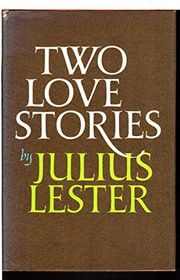
Two Love Stories
by Julius Lester
1972
Two novellas explore the difficulties and discoveries bound up with love, following an interracial relationship and a sixteen-year-old girl’s sexual awakening. Lester examines how intimate connections challenge assumptions and complicate the attempt to understand another person and oneself.
Who I Am
by Julius Lester
1974
Poetry and photographs celebrate everyday life and the shared experiences that give ordinary moments their meaning. Lester pairs verbal and visual expression, inviting readers to consider personal identity alongside the familiar human world encountered from day to day.
All is Well
by Julius Lester
1976
Returning to the South and his family roots, Lester reflects on a personal, political, and spiritual crisis. His autobiography examines disillusionment with radical politics and the search for a sustaining faith through memory, nonviolence, and artistic work.
Basketball Game
by Julius Lester
1977
A Black teenager moves with his family to the American South, where friendship and first love unfold amid racial hostility. Relationships that might seem ordinary elsewhere become difficult as the surrounding community's prejudices intrude upon his life.
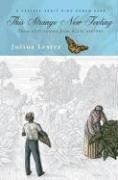
This Strange New Feeling
by Julius Lester
1982
Three love stories grounded in Black history follow couples fighting to free themselves from slavery. Their relationships illuminate the personal stakes of oppression, showing how affection, commitment, and the desire for freedom become intertwined within a turbulent American past.
A Taste of Freedom
by Julius Lester
1983
Three historical love stories follow Black couples confronting slavery and the uncertain meaning of freedom. Inspired by real people, including William and Ellen Craft, the collection explores affection, separation, and the risks involved in seeking an independent life.
Do Lord Remember Me
by Julius Lester
1985
On the final day of his life, Joshua Smith Sr. writes his obituary in his Nashville home. Memories of childhood in Mississippi, family struggles, and the civil rights era shape his reckoning with the past.
The Tales of Uncle Remus
by Julius Lester
1987
Brer Rabbit schemes his way through encounters with Brer Fox and other animals in forty-eight retold African American folktales. Lester updates the language while preserving the stories' trickery and humor, with illustrations by Jerry Pinkney.
Lovesong
by Julius Lester
1988
The son of a Southern Methodist minister recounts the spiritual journey that led him to Judaism. Lester connects childhood faith, civil rights activism, and later searching with questions about race, religious belonging, and his own identity.
More Tales of Uncle Remus
by Julius Lester
1988
Brer Rabbit returns with his animal friends and enemies in another collection of African American trickster tales. Lester's retellings follow their competing schemes and misadventures, pairing contemporary storytelling language with Jerry Pinkney's illustrations of the familiar characters.
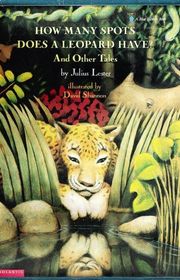
How Many Spots Does a Leopard Have? and Other Tales
by Julius Lester
1989
Twelve illustrated folktales bring together ten stories from African traditions and two from Jewish storytelling. Lester retells these inherited narratives for new readers, placing two cultural sources side by side in a collection of imaginative tales.
Falling Pieces of the Broken Sky
by Julius Lester
1990
In this essay collection, Lester reflects on a decade of political and spiritual change. Discussions of race, antisemitism, James Baldwin, the Holocaust, and contemporary culture examine the responsibilities of individuals and writers within a troubled society.
Further Tales of Uncle Remus
by Julius Lester
1990
Thirty-three retold folktales bring Brer Rabbit and his neighbors into further trouble. Among the characters are a resourceful cricket, a fiddle-playing ram facing a hungry wolf, and the Doodang, who wants abilities belonging to other creatures.
And All Our Wounds Forgiven
by Julius Lester
1994
Philosophy graduate John Calvin Marshall becomes a prominent leader in the civil rights movement. Alternating voices from Marshall, his wife, his aide and lover, and a fellow organizer explore the pressures linking political struggle with intimate relationships.
Black and White
by Julius Lester
1994
John Henry
by Julius Lester
1994
Born with extraordinary strength and growing at an astonishing pace, John Henry becomes a worker who swings two enormous hammers. This retelling of the African American folk ballad follows his encounter with a machine that challenges human labor.
Man Who Knew Too Much
by Julius Lester
1994
A mother working in the fields discovers that an eagle can soothe her crying baby without harming him. When she tells her skeptical husband, their different understandings of the bird create a dangerous test of trust and knowledge.
The Last Tales of Uncle Remus
by Julius Lester
1994
Thirty-nine stories conclude Lester's retellings of the Uncle Remus tales, following Brer Rabbit and his animal companions through further adventures. An introductory essay considers the original narrator's complicated legacy, while Jerry Pinkney illustrates the collection.
Othello
by Julius Lester
1995
A Black general's love for Desdemona is threatened by Iago's manipulations in this novel adaptation of Shakespeare's tragedy. Lester recasts the characters and setting, exploring trust, loyalty, and the destructive consequences of a friend's concealed hostility.
Sam and the Tigers
by Julius Lester
1996
In Sam-sam-sa-mara, where people and animals live together, a boy named Sam sets off in his new clothes. A succession of hungry tigers demands his finery, forcing him to think quickly as his journey turns dangerous.
Black Cowboy, Wild Horses
by Julius Lester
1998
Formerly enslaved cowboy Bob Lemmons follows a herd of mustangs with his horse, Warrior. To guide the animals into a corral, he must first gain their acceptance and confront the stallion that leads them across the plains.
From Slave Ship to Freedom Road
by Julius Lester
1998
Rod Brown's paintings accompany Lester's examination of slavery, from the Middle Passage and auctions to punishment and the struggle for freedom. The text asks readers to consider the emotions and perspectives of people caught within this history.
Places I Never Meant To Be
by Norma Fox Mazer, Julius Lester, Rachel Vail, Katherine Paterson, Jacqueline Woodson, Harry Mazer, Walter Dean Myers & Judy Blume
1999
This collection, edited by Judy Blume, gathers original short stories from writers whose books have been challenged or banned. The pieces follow teens who stumble into tough situations, highlighting why honest stories, and the freedom to read them, matter.
What a Truly Cool World
by Julius Lester
1999
Shaniqua, the angel concerned with everyone's affairs, tells God his newly created world looks dull. With help from his heavenly household, God begins experimenting with music and color to give the earth something beyond its first beginnings.
When the Beginning Began
by Julius Lester
1999
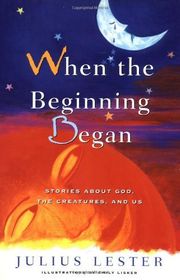
Traditional and original Jewish tales reconsider the biblical creation story with humor and imaginative surprises. An upright walking snake, an angel named Moe, and other unusual figures invite readers to explore the beginnings of the world and humanity’s place within it.
Albidaro and the Mischievous Dream
by Julius Lester
2000
Children's teddy bears send a dream encouraging their owners to refuse their parents' instructions. Albidaro, Guardian of Children, extends the same invitation to animals as a prank on his sister Olara, setting widespread disorder in motion.
Pharaoh's Daughter of Ancient Egypt
by Julius Lester
2000
Born into slavery and adopted by an Egyptian princess, Moses grows up between competing identities and faiths. His sister Almah's attraction to Egyptian religion adds another perspective as both siblings question the beliefs and loyalties surrounding them.
Ackamarackus
by Julius Lester
2001
Six animal fables feature unusual predicaments, including an eagle afraid of heights, a bee who loses his buzz, and an alligator seeking cooler surroundings. Wordplay and paired morals accompany the characters' efforts to find their places in the world.
The Blues Singers
by Julius Lester
2001
Speaking to his granddaughter, Lester introduces ten musicians whose lives and performances helped shape American music. Biographical sketches of artists including Bessie Smith, Muddy Waters, Billie Holiday, and B.B. King connect personal memories with their wider influence.
When Dad Killed Mom
by Julius Lester
2001
Jenna and Jeremy are taken out of school to learn that their father has shot their mother. As his trial approaches, the siblings face grief, divided loyalties, and revelations from their mother's diary that strain their relationship.
Why Heaven Is Far Away
by Julius Lester
2002
When snakes receive poison for self-defense, frightened people and animals climb the ladders joining earth to heaven. God, Irene, Bruce, and Shaniqua must address the resulting chaos while considering the problems faced by both snakes and their neighbors.
Shining
by Julius Lester
2003
A girl whose dark skin gives her the name Shining grows up without speaking. Her silence troubles her mother and community, and exclusion from a women's ceremony raises questions about how others understand her unusual way of being.
On Writing for Children and Other People
by Julius Lester
2004
Lester recalls growing up in the segregated South and participating in the civil rights movement before turning to the importance of stories. Personal reflections and advice for aspiring writers explore how storytelling shapes identity and understanding.
The Autobiography of God
by Julius Lester
2004
Rabbi Rebecca Nachman works as a college counselor in Vermont while questioning her faith. A Torah brings visits from the dead and God's autobiographical manuscript, complicating her life further when a troubled student she counsels is murdered.
Let's Talk about Race
by Julius Lester
2005
Lester shares details of his own life to invite children to consider the stories that make each person distinctive. With Karen Barbour's illustrations, he explores race alongside family, interests, and the experiences people share with one another.
The Old African
by Julius Lester
2005
An enslaved man with mysterious powers can perceive the suffering of those around him. When a runaway boy is brutally punished, memories of the Atlantic crossing awaken a longing for escape and a return to Africa.
Time's Memory
by Julius Lester
2006
The creator god Amma sends Ekundayo to a Virginia plantation to quiet the neglected spirits of enslaved Africans. Bound by slavery before the Civil War, the young man struggles with his task and a forbidden relationship.
Cupid
by Julius Lester
2007
Cupid delights in making others fall in love, until his own feelings for the mortal Psyche complicate his mischief. A conversational narrator retells their myth, following the god of love into unfamiliar vulnerability and the hazards of passion.
Day of Tears
by Julius Lester
2007
Enslaved caretaker Emma looks after Pierce Butler's daughters while their household is divided over slavery. Butler's gambling debts lead him to organize an enormous auction in Savannah, where many voices reveal the human stakes of the sale.
Guardian
by Julius Lester
2008
In the Deep South in 1946, fourteen-year-old Ansel's friendship with Black shop assistant Willie clashes with his father's expectations. When Willie's father is falsely accused of a violent crime, Ansel confronts the danger of speaking truth.
The Hungry Ghosts
by Julius Lester
2009
Malcolm David investigates strange nighttime sounds near his home and discovers three ghosts with rumbling stomachs. They are hungry rather than threatening, but neither the boy nor his spectral visitors knows what ghosts are supposed to eat.
Ku Klux Klan
by Julius Lester
2013
The Girl Who Saved Yesterday
by Julius Lester
2016
Raised among trees after being cast out by her village, a girl named Silence is sent to save Yesterday. Returning to the people who rejected her, she must discover what the trees mean and why the past needs her.
Black Folktales
by Julius Lester
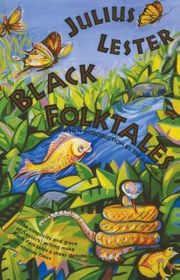
Lester retells twelve folktales from African and African American traditions, organized around origins, love, heroes, and everyday people. His contemporary storytelling voice brings inherited wisdom and familiar human concerns into fresh focus while preserving the tales’ enduring imaginative power.
Standalone Julius Lester books










by Norma Fox Mazer, Julius Lester, Rachel Vail, Katherine Paterson, Jacqueline Woodson, Harry Mazer, Walter Dean Myers & Judy Blume
1999Original Stories by Censored Writers









Edited by
Software engineer whose passion for tracking book recommendations from podcasts inspired the creation of MRB.
Lead investor at 3one4 Capital whose startup expertise and love for books helped shape MRB and its growth.
Comments
Did we miss something? Have feedback?
Help us improve this page by sharing your thoughts