
Julian Barnes Books in Order
Browse Julian Barnes books in order, with summaries, series background, and guidance on the best starting points across his novels, stories, and nonfiction.
Last updated:
As an Amazon Associate, we earn from qualifying purchases (at no extra cost to you).
Julian Barnes books in publication order
35 books
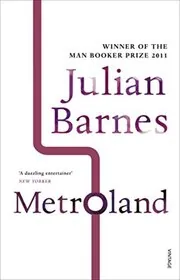
Metroland
by Julian Barnes
1980
Christopher Lloyd looks back on his youth in the London suburbs known as Metroland, his rebellious student year in Paris and his later settled life with a job, wife and child. The novel quietly weighs youthful ideals against adult contentment.
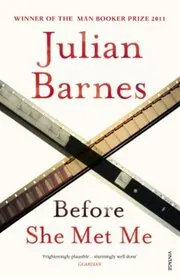
Before She Met Me
by Julian Barnes
1982
After divorcing his bitter first wife, history lecturer Graham Hendrick marries Ann, an attractive former actress. Instead of enjoying his new happiness, he becomes consumed by fantasies about her previous lovers, letting jealousy twist his imagination and threaten everything he has.
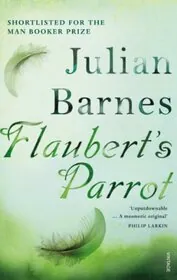
Flaubert's Parrot
by Julian Barnes
1984
Retired doctor Geoffrey Braithwaite travels through Flaubert country, trying to identify which of two stuffed parrots once sat on the novelist's desk. His digressive search becomes a meditation on biography, obsession and the difficulty of ever pinning down another life.
Arthur and George: Stage Version
by Julian Barnes
1986
This playscript adapts Arthur & George for the stage, distilling the true life case of George Edalji and Sir Arthur Conan Doyle into a courtroom drama. Scenes of investigation, prejudice and public uproar are reshaped for actors, audiences and live debate.
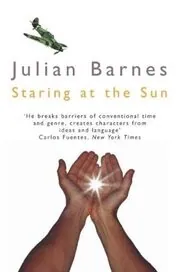
Staring at the Sun
by Julian Barnes
1986
Jean Serjeant seems an ordinary Englishwoman, yet her life stretches from the 1920s countryside to the year 2020. As she marries, travels and ages, she keeps interrogating received wisdom about God, truth and how to live in a changing world.
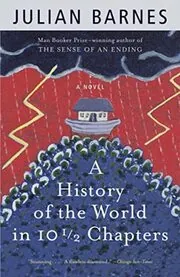
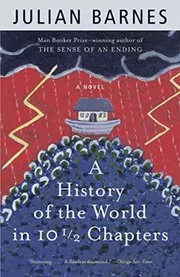
A History of the World in 10½Chapters
by Julian Barnes
1989
Neither straight history nor a conventional novel, this book offers ten and a half distinct tales, from woodworms on Noah's Ark to a hijacked cruise ship and a future heaven. Ships, survival and storytelling link the pieces in a playful, questioning collage.
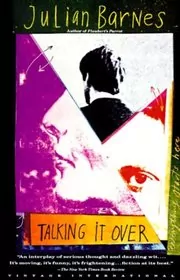
Talking It Over
by Julian Barnes
1991
Three people tell the same story in turn: careful bank clerk Stuart, his charming but feckless friend Oliver and Gillian, the art restorer they both love. Their overlapping monologues chart how a marriage breaks and a love triangle dangerously reshapes their lives.
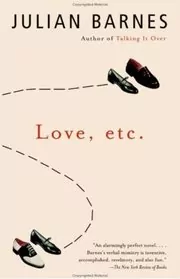
Love, etc.
by Julian Barnes
1992
Set a decade after Talking It Over, Love, Etc. revisits Stuart, Gillian and Oliver as they narrate their entangled lives once more. The old triangle has become a mix of compromises, resentments and uneasy loyalties, raising new questions about truth and forgiveness.
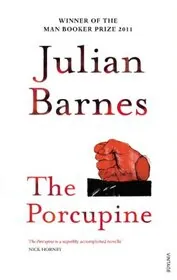
The Porcupine
by Julian Barnes
1992
In a thinly disguised post communist state, former party leader Stoyo Petkanov is put on trial by a new government that tries to use his own laws against him. The courtroom battle becomes a tense argument about guilt, history and revenge.
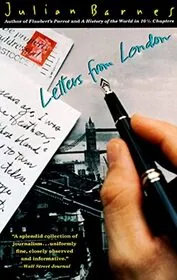
Letters From London
by Julian Barnes
1995
Collecting his dispatches for an American magazine, Letters From London reports on British life between 1990 and 1995, from elections and royal scandals to football and the Channel Tunnel. Witty and skeptical, it turns recent politics into sharp, time capsule essays.

Cross Channel
by Julian Barnes
1996
These linked stories explore the long relationship between England and France, from 19th century railway builders to modern retirees in rural villages. Each tale catches small acts of misunderstanding, loyalty and betrayal that cross emotional as well as national borders.
Evermore
by Julian Barnes
1996
Evermore follows an Englishwoman who makes yearly pilgrimages to her brother's First World War grave in France. Her habitual journeys slowly reveal how ritual, landscape and chance encounters both preserve and erode the grief she has carried for decades.
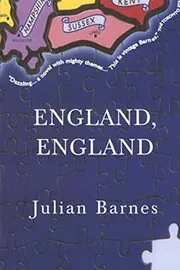
England, England
by Julian Barnes
1998
Tycoon Sir Jack Pitman decides to rebuild the whole of England as a theme park on the Isle of Wight, complete with replica landmarks and hired heritage. Seen through Martha Cochrane's eyes, this satire probes memory, nationalism and manufactured nostalgia.
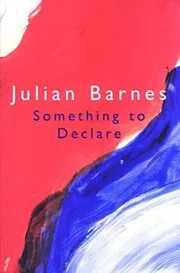
Something to Declare
by Julian Barnes
2002
A wide ranging collection of essays on France and French culture, from Flaubert and Simenon to nouvelle vague cinema and the Tour de France. Barnes writes as an affectionate, sharp eyed Francophile, curious about how one country appears from across the Channel.
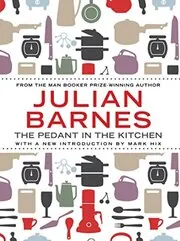
The Pedant in the Kitchen
by Julian Barnes
2003
Drawn from his newspaper column, this slim book follows Barnes, an anxious home cook, as he wrestles with vague recipes, bossy chefs and dubious gadgets. Funny and precise, it is a comforting companion for anyone who has ever sworn at a cookbook.

The Lemon Table
by Julian Barnes
2004
Stories in The Lemon Table circle around ageing and its discontents, from concertgoers and soldiers to lonely widows and stubborn gourmets. Barnes treats old age with dark humour and compassion, showing how desire, anger and curiosity persist even as bodies fail.
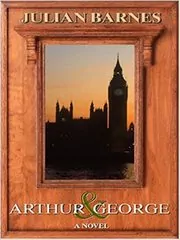
Arthur & George
by Julian Barnes
2005
Based on a real Edwardian case, the novel twines the lives of George Edalji, a diligent solicitor wrongly convicted of animal mutilations, and Sir Arthur Conan Doyle, who turns detective to clear his name. It becomes a searching story about justice and prejudice.
Death
by Julian Barnes
2008
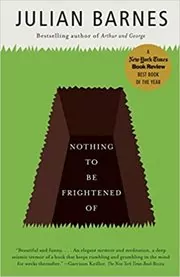
Drawn from Nothing to be Frightened Of, this short book gathers Barnes's wry reflections on mortality, his parents' deaths, religious doubt and the consolations of art, turning fear of death into an unsentimental, oddly companionable conversation.
Nothing to Be Frightened Of
by Julian Barnes
2008
Part family memoir, part philosophical notebook, Nothing to be Frightened Of follows Barnes as he talks with his philosopher brother, remembers eccentric relatives and reads past writers, all in order to face his own fear of death and what might, or might not, follow.
Recommended by
1 person Christopher Hitchens recommended this book
Christopher Hitchens
"[A] meditation on death." - Christopher Hitchens
Christopher Hitchens's recommendation of this book
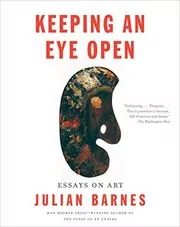
Keeping an Eye Open
by Julian Barnes
2011
These essays on art trace a path from Romanticism to modern painting, focusing especially on French artists such as Géricault, Manet, Cézanne and Bonnard. Barnes blends close looking, biography and storytelling to show how pictures change once we really pay attention.

Pulse
by Julian Barnes
2011
Pulse, Barnes's third story collection, moves between dinner parties, hospital rooms and European trips, tracing the rhythms that connect love affairs, family illnesses and everyday irritations. Quiet but emotionally sharp, the pieces watch how people respond to loss, attraction and time passing.
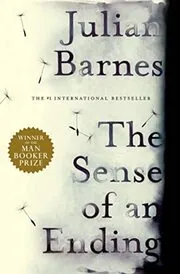
The Sense of an Ending
by Julian Barnes
2011
Retired divorcee Tony Webster believes he understands his uneventful life until a mysterious bequest forces him back into the friendships and betrayals of his 1960s youth. As he revisits old letters, memory, guilt and narrative certainty quietly begin to unravel.
A Life with Books
by Julian Barnes
2012
In this brief, personal essay, Barnes looks back on childhood libraries, second hand bookshop trips and bouts of compulsive collecting. It is a warm defence of reading, printed books and the independent bookshops that helped shape his life.
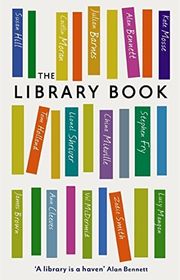
The Library Book
by James Brown, Anita Anand, Julian Barnes, Bella Bathurst, Michael Brooks, Hardeep Singh Kohli, Lucy Mangan, Alan Bennett, Seth Godin, Val McDermid, Lionel Shriver, Stephen Fry, China Mieville, Caitlin Moran, Tom Holland, Susan Hill, Bali Rai, Ann Cleeves, Julie Myerson, Nicky Wire, Zadie Smith, Kate Mosse, Karin Slaughter & Miranda McKearney
2012
A multi-author celebration of public libraries, bringing together essays, memoirs, history, and fiction. Its contributors consider the roles libraries play in personal lives, communities, imagination, and the future of access to books.
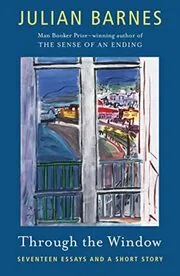
Through the Window
by Julian Barnes
2012
Through the Window gathers seventeen essays and a short story in which Barnes writes about the novelists who formed him, from Flaubert and Ford Madox Ford to Penelope Fitzgerald and Updike, exploring translation, influence and how books travel between cultures.
Explaining the Explicit
by Julian Barnes
2013
Explaining the Explicit gathers Barnes and other writers reflecting on how to write about sex. Their candid, often funny essays weigh embarrassment, vocabulary and fashion, asking what explicit scenes can add to literature beyond simple shock or titillation.
Levels of Life
by Julian Barnes
2013
Structured in three movements, Levels of Life links 19th century balloonists, an imagined love affair and Barnes's own grief for his wife Pat Kavanagh. It becomes a concentrated meditation on love, height and the plunge that follows an earthshaking loss.
Homage to Hemingway
by Julian Barnes
2015
This trio of linked pieces pays playful tribute to Hemingway's 'Homage to Switzerland'. In three snapshots of contemporary writers, Barnes anatomises ambition, loyalty to literary heroes and the hopeful belief that stories can still tell difficult truths.
The Noise of Time
by Julian Barnes
2016
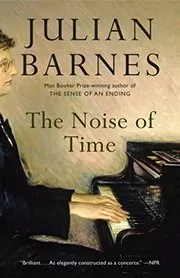
Barnes imagines the inner life of composer Dmitri Shostakovich as he tries to survive Stalin and Khrushchev. Moving between a landing, a plane and a chauffeur driven car, the novel explores art under tyranny, compromise, cowardice and a stubborn instinct to endure.
The Only Story
by Julian Barnes
2018
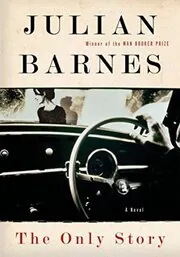
At nineteen, Paul falls in love with Susan, a married woman almost thirty years older, at his suburban tennis club. Decades later he revisits their affair, asking what a first, all consuming love really costs over the course of a life.
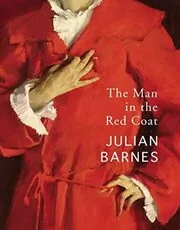
The Man in the Red Coat
by Julian Barnes
2019
This nonfiction portrait follows Samuel Jean de Pozzi, the charismatic surgeon in John Singer Sargent's red coated painting, through Belle Époque Paris. Barnes braids gossip, art, scandal and politics into a rich study of a brilliant, unsettled era.
Elizabeth Finch
by Julian Barnes
2022
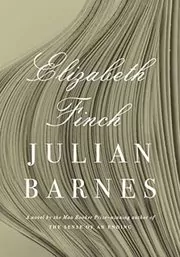
Neil, a drifting actor, enrolls in Elizabeth Finch's adult education class and becomes obsessed with his severe, enigmatic teacher. Years later, inheriting her notebooks, he pieces together her life and ideas, questioning memory, biography and what it means to admire someone.

Changing My Mind
by Julian Barnes
2025
Adapted from a long essay, Changing My Mind sees Barnes examine how his views on politics, language, reading, memory and age have shifted over the decades. Short, conversational and self questioning, it doubles as an informal intellectual autobiography.
Departure
by Julian Barnes
2026
Blending fiction and memoir, Departure follows Stephen and Jean, lovers reunited in later life, alongside an ageing writer confronting illness, memory lapses and lost friends. It is a reflective, often dryly funny meditation on love, leave takings and how stories end.
A History of the World in 10 1/2 Chapters
by Julian Barnes
Beginning with an unexpected passenger on Noah's Ark, these linked narratives revisit human history through shipwrecks, religious trials and a hijacked cruise ship. Shifting perspectives examine how stories shape historical truth and how love resists the forces of history.
Where to start with Julian Barnes
If you want a short, prizewinning introduction: The Sense of an Ending → The Only Story → Elizabeth Finch.
If you enjoy big, idea rich novels: Flaubert's Parrot → A History of the World in 10½Chapters → England, England → Arthur & George.
If you like stories of love and friendship gone sideways: Metroland → Before She Met Me → Talking It Over → Love, Etc..
If you prefer memoir and reflection: Nothing to be Frightened Of → Levels of Life → The Man in the Red Coat → Through the Window.
If you want essays and short stories: Cross Channel → The Lemon Table → Pulse → Keeping an Eye Open.
Julian Barnes sub-series and character series
Talking It Over books in order
Explore this seriesJulian Barnes collections, short stories, and related book types
Short Stories/Novellas
Non-Fiction Books
Short Story Collections
Standalone Julian Barnes books

by James Brown, Anita Anand, Julian Barnes, Bella Bathurst, Michael Brooks, Hardeep Singh Kohli, Lucy Mangan, Alan Bennett, Seth Godin, Val McDermid, Lionel Shriver, Stephen Fry, China Mieville, Caitlin Moran, Tom Holland, Susan Hill, Bali Rai, Ann Cleeves, Julie Myerson, Nicky Wire, Zadie Smith, Kate Mosse, Karin Slaughter & Miranda McKearney
2012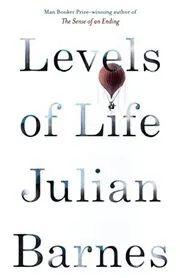

Author bio
Julian Barnes is an English novelist and essayist whose work circles around memory, love, history and how stories are told. He was born in Leicester in 1946, but his parents moved the family to the outer suburbs of London just a few weeks later, so his first city is one he mainly knows in retrospect.
Both his parents taught French, and that bilingual household left a deep mark. As a boy he went to the City of London School, commuting into the centre each day from what would later become the setting of his first novel, Metroland. His mother once told him he had too much imagination. Readers have benefited from the fact he ignored that advice.
Barnes studied modern languages at Magdalen College, Oxford, spending part of his degree in France. After graduating he worked for several years as a lexicographer on the Oxford English Dictionary supplement, a job that trained him to weigh words very carefully. He then moved into literary journalism, reviewing books and serving as a literary editor at magazines such as the New Statesman and the New Review, before becoming a television critic for the New Statesman and later The Observer.
During these years he was also writing fiction. Metroland appeared in 1980, followed by Before She Met Me, and then the book that brought him international attention, Flaubert's Parrot. That novel about a retired doctor obsessed with Gustave Flaubert mixed biography, criticism and personal confession in a way that felt new at the time. It also signalled Barnes's long, affectionate engagement with French culture, which runs through later work like Something to Declare and Through the Window.
Across the 1980s and 1990s he published formally inventive novels such as Staring at the Sun, A History of the World in 10½Chapters, Talking It Over, The Porcupine, England, England and Arthur & George. Many of these books question how much of the past we can trust, and how much we reshape it to suit the stories we prefer to tell about ourselves. Several were shortlisted for the Booker Prize, cementing his reputation as one of the key British novelists of his generation.
In 2011 he won the Man Booker Prize for The Sense of an Ending, a short, quietly intense novel in which a retired man discovers that his tidy version of his youth may be misleading. Later novels, including The Noise of Time, The Only Story, Elizabeth Finch and Departure, continue to explore ageing, regret, political pressure and the slipperiness of recollection.
Nonfiction has always run alongside the fiction. Barnes has written about death and belief in Nothing to be Frightened Of, about love and grief in Levels of Life, and about Belle Époque Paris in The Man in the Red Coat. Collections like Letters From London, Something to Declare, Through the Window and Keeping an Eye Open gather his essays on politics, France, other writers and visual art, while The Pedant in the Kitchen and A Life with Books show his lighter, more domestic side. He has also produced an extended essay on changing his views over time in Changing My Mind.
Under the pseudonym Dan Kavanagh he has published a small, sharp series of crime novels, a reminder that he is as interested in plot and suspense as in philosophical questions. Whatever the genre, his work returns to a handful of concerns: how we remember, how we love, how we live with the knowledge that life is finite.
Barnes married the literary agent Pat Kavanagh in 1979, and their partnership lasted until her death from a brain tumour in 2008. His account of that loss shapes the final section of Levels of Life and casts a long shadow over much of his later writing. He lives in north London, supports organisations such as Freedom from Torture and Dignity in Dying, and has received major honours in both Britain and France, including the David Cohen Prize for Literature, the Légion d'honneur and the Jerusalem Prize.
He has spent decades examining how ordinary lives intersect with history, and how language both reveals and obscures the truth. For many readers, part of the pleasure of his work lies in that calm, persistent curiosity.





Edited by
Software engineer whose passion for tracking book recommendations from podcasts inspired the creation of MRB.
Lead investor at 3one4 Capital whose startup expertise and love for books helped shape MRB and its growth.
Comments
Did we miss something? Have feedback?
Help us improve this page by sharing your thoughts