
Julia Alvarez Books in Order
Explore Julia Alvarez books in order, with quick summaries, poetry and novel guides, reading order help, and tips on where to start across her work.
Last updated:
As an Amazon Associate, we earn from qualifying purchases (at no extra cost to you).
Julia Alvarez books in publication order
27 books

Homecoming
by Julia Alvarez
1984
This early poetry collection returns again and again to Alvarez's Dominican childhood, exile, and family memory. The poems are intimate and direct, already showing the themes of language, belonging, and divided homes that run through her later work.
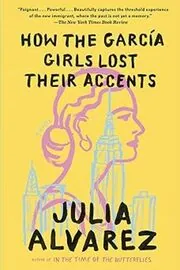
How the Garcia Girls Lost Their Accents
by Julia Alvarez
1991
The Garcia sisters flee the Dominican Republic for New York after their father's role in a plot against Trujillo is discovered. In linked stories, Alvarez tracks family bonds, immigration, language, and the ache of living between cultures.
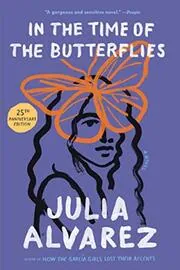
In the Time of the Butterflies
by Julia Alvarez
1994
Inspired by the Mirabal sisters, this novel follows four women living under Trujillo's dictatorship in the Dominican Republic. Their private lives and political awakening build toward tragedy, courage, and one of Alvarez's most enduring stories.
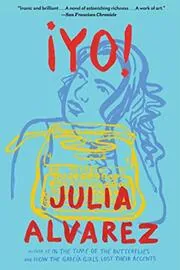
Yo!
by Julia Alvarez
1997
Yolanda Garcia becomes famous by turning family and friends into material for her fiction, then gets an earful from the people who recognize themselves on the page. Told through many voices, it's a lively novel about storytelling and blowback.
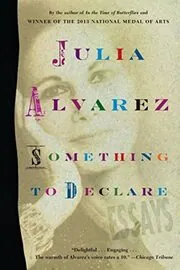
Something to Declare
by Julia Alvarez
1998
In these essays, Alvarez writes about leaving the Dominican Republic, learning America, and finding her life as a writer. Personal, funny, and sharp, the collection moves between exile, language, family history, and the daily work of making art.
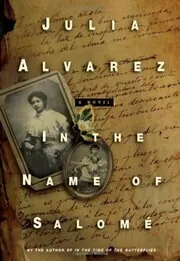
In the Name of Salome
by Julia Alvarez
2000
As Camila Henriquez Urena nears retirement, she pieces together the life of her mother, the Dominican poet and educator Salome Urena. Their intertwined stories turn history into a moving novel about art, revolution, and women's voices.
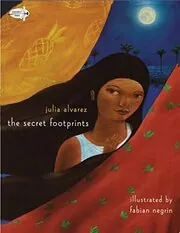
The Secret Footprints
by Julia Alvarez
2000
Guapa, a curious ciguapa from Dominican legend, breaks the rules and ventures too close to humans. Her nighttime adventure becomes a lovely story about fear, curiosity, and the unexpected kindness that can bridge two worlds.
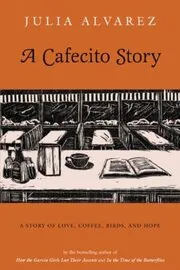
A Cafecito Story
by Julia Alvarez
2001
This eco-fable follows a coffee farmer who learns that growing coffee in harmony with the land can help both people and birds. Rooted in the Dominican Republic, it's a hopeful story about community, work, and caring for a place.
%20Stay%20-%20Tia%20Lola%20Stories%2C%20Book%201.jpg)
How Tia Lola Came to(Visit) Stay
by Julia Alvarez
2001
After his parents split, Miguel moves from New York City to Vermont and feels out of place in every way. Then his larger-than-life aunt Tia Lola arrives from the Dominican Republic and shakes up the whole household with warmth, stories, and a little mystery.
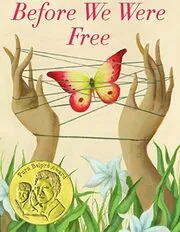
Before We Were Free
by Julia Alvarez
2002
Twelve-year-old Anita de la Torre grows up under Trujillo's dictatorship as relatives disappear and secret police close in. It's a tense, intimate coming-of-age novel about fear, family courage, and what freedom costs.
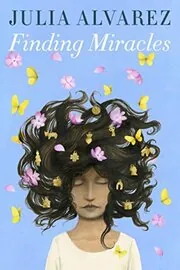
Finding Miracles
by Julia Alvarez
2004
Vermont teenager Milly Kaufman has always tried not to think too hard about being adopted, until she meets Pablo, a boy from her birth country. Their connection sends her searching for the truth about her family, her past, and herself.

The Woman I Kept to Myself
by Julia Alvarez
2004
In seventy-five autobiographical poems, Alvarez looks back on the two cultures that shaped her life. The collection is personal and clear-eyed, moving through memory, identity, love, grief, and the self a person slowly learns to name.
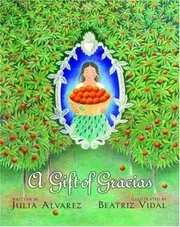
A Gift of Gracias
by Julia Alvarez
2005
After her family's olive crop fails, Maria dreams of a mysterious lady and a grove of glowing oranges. This gentle picture book, based on an old legend, follows faith, hard work, and a gift that changes a struggling farm.
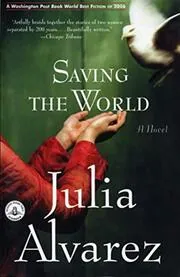
Saving the World
by Julia Alvarez
2006
Writer Alma Huebner is stuck, both in her marriage and in her overdue novel, until she becomes obsessed with a nineteenth-century smallpox expedition. Her story and Isabel Sendales's journey braid together in a novel about ambition, care, and sacrifice.
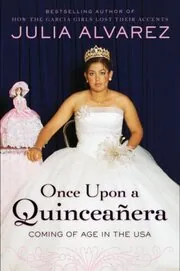
Once Upon a Quinceanera
by Julia Alvarez
2007
Alvarez digs into the quinceanera, the fifteenth birthday celebration that has taken on a huge life in the United States. Part reporting, part memoir, it explores the ritual's history, costs, pressures, and deep meaning for Latina families.
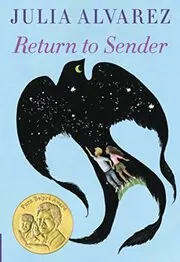
Return to Sender
by Julia Alvarez
2009
After Tyler's father is hurt, his family hires migrant Mexican workers to save their Vermont farm. As Tyler and Mari grow closer, the novel turns immigration, friendship, and fear of deportation into something personal and immediate.
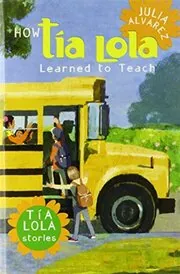
How Tia Lola Learned to Teach
by Julia Alvarez
2010
Tia Lola is invited to teach Spanish at Miguel and Juanita's school, which delights Juanita and embarrasses Miguel. Between treasure hunts, carnival spirit, and family changes, he has to decide what parts of himself he wants to hide.
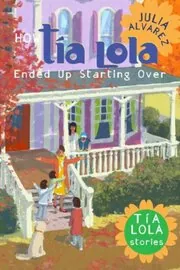
How Tia Lola Ended Up Starting Over
by Julia Alvarez
2011
Tia Lola opens a bed-and-breakfast in Colonel Charlebois's old Vermont house, with Miguel, Juanita, and the Sword sisters helping out. But when strange setbacks pile up, the kids have to figure out who is trying to ruin the new start.
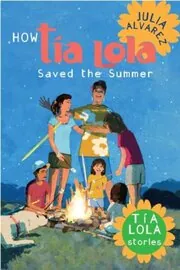
How Tia Lola Saved the Summer
by Julia Alvarez
2011
Miguel is not thrilled when the Sword family moves in for the summer, but Tia Lola has other plans. Her homemade camp, full of games, stories, and surprises, turns a tense summer into one about friendship and change.
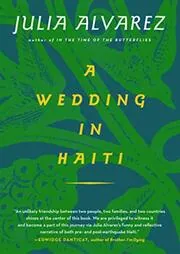
A Wedding in Haiti
by Julia Alvarez
2012
When a young Haitian boy named Piti asks Julia Alvarez to attend his wedding, she sets out to keep her promise. The memoir becomes a warm, thoughtful look at friendship, history, and the lives that connect Haiti and the Dominican Republic.
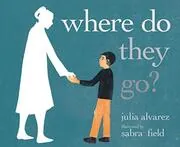
Where Do They Go?
by Julia Alvarez
2016
In spare, gentle verse, this picture book sits with a child's biggest question, where do loved ones go when they die? It offers comfort without easy answers, inviting readers to imagine memory, love, and grief together.
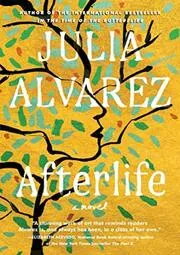
Afterlife
by Julia Alvarez
2020
Retired writer Antonia Vega is reeling from her husband's sudden death when her troubled sister vanishes and a pregnant undocumented teenager appears at her door. Grief, family duty, and questions of belonging collide in this quiet, searching novel.
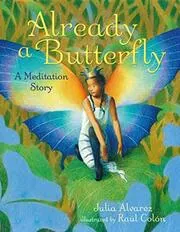
Already a Butterfly
by Julia Alvarez
2020
Mari is always racing from task to task, trying hard to feel like the perfect butterfly. With help from a wise flower bud, she learns to slow down, breathe, and discover that she has been enough all along.

Resistencia
by Julia Alvarez
2020
This bilingual anthology, introduced by Julia Alvarez, gathers protest poems from across Latin America and the Caribbean. The collection brings together resistance, translation, and voices speaking against dictatorship, injustice, and inequality.

Makeshift Altar
by Julia Alvarez
2024
This poetry collection explores home, migration, ancestry, and the spiritual lives of Afro-Caribbean and African American communities. Intimate and place-rooted, the poems connect family memory with questions of identity, colonialism, and belonging.

The Cemetery of Untold Stories
by Julia Alvarez
2024
When novelist Alma Cruz inherits land in the Dominican Republic, she decides to bury her unfinished manuscripts there. Instead, the characters start talking back, turning the novel into a playful, poignant meditation on memory, history, and stories that refuse to stay buried.

Visitations
by Julia Alvarez
2026
Returning to poetry, Alvarez traces her life from Dominican childhood to later years in poems about family, aging, grief, and voice. The collection feels reflective and close-up, full of memory, food, migration, and the stubborn work of self-understanding.
Where to start with Julia Alvarez
If you want her signature novel first: How the Garcia Girls Lost Their Accents → In the Time of the Butterflies
If you want Dominican history in fiction: In the Time of the Butterflies → In the Name of Salome → The Cemetery of Untold Stories
If you prefer intimate later-career fiction: Afterlife → The Cemetery of Untold Stories
If you want books for younger readers: How Tia Lola Came to(Visit) Stay → Before We Were Free → Return to Sender
If you want the poetry path: Homecoming → The Woman I Kept to Myself → Visitations
Julia Alvarez sub-series and character series
Julia Alvarez collections, short stories, and related book types
Collections
Chapbooks
Picture Books
Non-Fiction
Standalone Julia Alvarez books
Author bio
Julia Alvarez was born in New York City in 1950, but she spent most of her childhood in the Dominican Republic after her parents returned there when she was an infant. That split beginning became central to her work. In 1960, when her father's involvement in the underground against Rafael Trujillo put the family in danger, they fled back to the United States. She was ten years old.
Exile gave her material, but it also gave her the question she would keep writing through, how do you belong to two places at once?
In the United States, Alvarez attended Abbot Academy, then studied at Connecticut College before transferring to Middlebury College, where she earned her BA in 1971. She later completed a master's degree in creative writing at Syracuse University. Along the way, teachers encouraged her poems, and books became more than schoolwork. Reading and writing helped her make sense of a new language, a new country, and a life that had been abruptly divided in two.
Before readers knew her as a novelist, she spent years teaching, doing poetry-in-the-schools programs, and writing steadily. Poetry came first. Fiction grew out of that ear for voice and rhythm. Her breakthrough arrived with How the Garcia Girls Lost Their Accents, published when she was over forty. That novel, about four sisters growing up between the Dominican Republic and the United States, brought together many of the things readers still love in her work: family talk, humor, hurt, memory, and the pressure of moving between cultures.
Then came In the Time of the Butterflies, her novel about the Mirabal sisters and resistance under Trujillo. It helped bring Dominican history to a wide audience without losing sight of the everyday lives inside it. Books such as Yo! and In the Name of Salome kept widening that project. Alvarez writes about politics, but rarely in an abstract way. She writes about what politics do to sisters, schools, marriages, family stories, and the private choices people make when history presses in.
She also never stayed in one lane. Alvarez wrote essays, nonfiction, poetry, picture books, and novels for young readers, including Before We Were Free, Return to Sender, and the warm, funny Tia Lola books. Across genres, certain themes keep returning: migration, language, home, women claiming a voice, and children trying to understand the forces that shaped their parents. Readers often come to her for the history, but they stay for the human scale of the stories.
Even her quieter later novels, especially Afterlife and The Cemetery of Untold Stories, keep asking how memory, grief, and unfinished stories shape a life.
Alvarez has long been connected to Middlebury College, where she taught for years and later served as writer in residence. She lives in Vermont, and with her husband, Bill Eichner, helped found Alta Gracia, a farm and literacy project in the Dominican Republic. That feels fitting. So much of her writing is about crossing borders, literal ones, language ones, family ones, and still finding a way to make a home. In 2013 she received the National Medal of Arts, a plain sign of how far that body of work has traveled.



Edited by
Software engineer whose passion for tracking book recommendations from podcasts inspired the creation of MRB.
Lead investor at 3one4 Capital whose startup expertise and love for books helped shape MRB and its growth.
Comments
Did we miss something? Have feedback?
Help us improve this page by sharing your thoughts