
Judith Krantz Books in Order
This page gathers Judith Krantz books in order, with quick summaries, related series, and simple advice on where to start with her glitzy, escapist fiction.
Last updated:
As an Amazon Associate, we earn from qualifying purchases (at no extra cost to you).
Judith Krantz books in publication order
11 books

Scruples
by Judith Krantz
1978
Billy Winthrop transforms herself from awkward poor relation to wealthy Beverly Hills boutique owner, building Scruples into a magnet for glamour, ambition, and trouble. Fashion insiders, filmmakers, and old secrets collide in a story about reinvention on a grand scale.
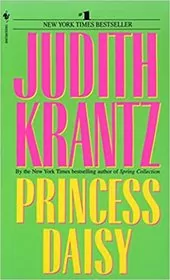
Princess Daisy
by Judith Krantz
1980
Born to a Russian prince and an American movie star, Daisy grows up surrounded by privilege, scandal, and a painful family secret. When her fairy-tale life cracks open, she has to make her own way in a world eager to use her name and beauty.

Mistral's Daughter
by Judith Krantz
1982
Across three generations, the women bound to painter Julien Mistral chase fame, desire, and independence from Paris studios to the fashion world. At the center is Fauve, his fierce daughter, carrying a secret that shapes every choice she makes.
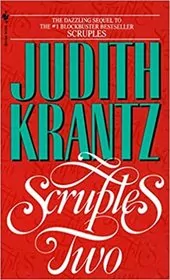
Scruples Two
by Judith Krantz
1984
The story resumes almost where Scruples ends, returning to Billy Ikehorn, Spider, and Valentine as wealth, marriage, and family complications reshape their glamorous circle. The boutique still shines, but love and loyalty are much harder to manage.

I'll Take Manhattan
by Judith Krantz
1986
Maxi Amberville has charm, money, and a habit of causing chaos, but her father's magazine empire is suddenly at risk. To save it, she turns her appetite for luxury into a fierce campaign for power in the high-stakes world of New York publishing.
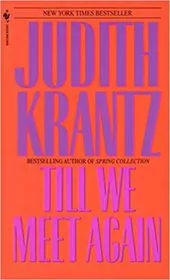
Till We Meet Again
by Judith Krantz
1988
Eve and her daughters, Delphine and Freddy, move through music halls, film sets, war, and high society across decades of the twentieth century. It is a sweeping family saga about love, reinvention, and women refusing small lives.

Dazzle
by Judith Krantz
1990
Jazz Kilkullen runs a celebrity photography studio in California and seems to have fame, beauty, and control all locked down. Then love, family history, and professional rivalry begin to shake the glossy surface of her carefully built world.

Lovers
by Judith Krantz
1994
Gigi Orsini steps into the fast, image-driven world of a Los Angeles ad agency, where talent and chemistry can be as risky as they are useful. Old connections from the Scruples world return as ambition, romance, and money tangle together.

Spring Collection
by Judith Krantz
1996
A billionaire-backed model search sends three young unknowns from Justine Loring's agency to Paris for designer Marco Lombardi's first collection. Behind the glamour sits an older family drama, as Justine is forced into the orbit of the father who once abandoned her.

The Jewels of Tessa Kent
by Judith Krantz
1998
Movie star Tessa Kent's famous jewelry collection brings her back into close contact with Maggie, the daughter she cannot easily reclaim. Set against Hollywood and the auction world, it is a family drama about secrecy, regret, and repair.
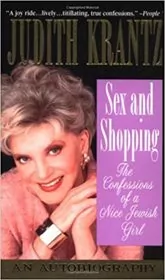
Sex and Shopping
by Judith Krantz
2000
In this memoir, Krantz looks back on her Manhattan childhood, Wellesley years, Paris, magazine work, marriage, and late start as a novelist. It is frank, funny, and especially revealing about how her own life fed the fiction.
Where to start with Judith Krantz
For the full Judith Krantz experience: Scruples → Princess Daisy → Mistral's Daughter
If you want Beverly Hills glamour and continuing characters: Scruples → Scruples Two → Lovers
If you prefer big family sagas: Princess Daisy → Till We Meet Again
If fashion and creative worlds are the draw: Mistral's Daughter → Dazzle → Spring Collection
If you want Judith Krantz in her own voice: Sex and Shopping
Judith Krantz sub-series and character series
Judith Krantz collections, short stories, and related book types
Non-Fiction
Standalone Judith Krantz books
Author bio
Judith Krantz was born Judith Tarcher in Manhattan on January 9, 1928, and grew up on Central Park West in a wealthy, emotionally distant family. She finished Birch Wathen young, then went to Wellesley College, where she read hard, dated widely, and started building the taste for glamour, observation, and social detail that would later make its way into her fiction. She later wrote that she had not been an especially happy child, which helps explain why fantasy, beauty, and self-invention became such strong currents in her work.
Paris mattered.
After graduating from Wellesley in 1948, she spent a year in Paris working in fashion public relations. That year gave her a sharper eye for clothes, surfaces, and the way money changes a room. It also gave her romance, disappointment, and a firsthand sense of how style can be a kind of social language. Back in New York she joined Good Housekeeping, first in the fiction department and then in fashion and accessories, before writing for magazines like McCall's, Ladies' Home Journal, and Cosmopolitan.
She married television producer Steve Krantz in 1954. They had two sons, Nicholas and Tony, and over time lived in New York, Canada, France, and eventually Los Angeles. Her magazine work ranged from fashion coverage to celebrity profiles and frank, much talked about pieces on sex. Even so, she thought of herself as a journalist, not a novelist, the person with notebooks, deadlines, and reported pieces, not someone who made up entire worlds.
Then she became a novelist almost absurdly late.
Krantz was around 50 when she finally tried fiction in earnest. Part of the push came when her sons left for college, and part came from facing another fear, learning to fly in a small plane. She had once backed away from fiction after getting a B in a Wellesley creative writing class, so starting late had a private sting to it. Once she sat down at her Smith Corona typewriter, Scruples came fast. Published in 1978, it became a huge bestseller and turned her into one of the defining writers of glossy popular fiction. Several of her novels later became television miniseries, which suited their scale and shine.
The books that followed kept widening that world. Princess Daisy brought aristocracy, scandal, and a battered fairy-tale glamour. Mistral's Daughter moved through art, fashion, and generations of women shaped by one magnetic painter. I'll Take Manhattan took her into magazine publishing, a setting she knew from the inside, while Till We Meet Again stretched across decades, countries, and war. Dazzle returned to California with a heroine at the center of celebrity photography. Readers came for the escape, but they also stayed for the women at the center, who were ambitious, practical, vain, wounded, funny, and usually much better at work than the men around them.
Krantz never pretended she was writing solemn literature. She was open that her books were entertainment, and that honesty became part of her appeal. She did the research, loved the details, and understood that a dress, a ring, or a room could do real character work. She understood aspiration as deeply as she understood insecurity. Again and again, she wrote about reinvention, money, female desire, and the way glamour can be both a costume and a tool.
In her later years she stayed in Los Angeles, kept close to fashion, and finished her run of novels with The Jewels of Tessa Kent. In 2000 she published the memoir Sex and Shopping, which pulled the curtain back on her childhood, marriage, writing life, and the real experiences that fed her fiction. Steve Krantz died in 2007. Judith Krantz died at her Bel Air home on June 22, 2019, at 91, leaving behind books that still know exactly how to deliver old-school escape.










Edited by
Software engineer whose passion for tracking book recommendations from podcasts inspired the creation of MRB.
Lead investor at 3one4 Capital whose startup expertise and love for books helped shape MRB and its growth.
Comments
Did we miss something? Have feedback?
Help us improve this page by sharing your thoughts