
Juanita Sheridan Books in Order
Explore Juanita Sheridan books in order, with quick summaries of the Lily Wu mysteries, series background, and clear advice on where to start reading.
Last updated:
As an Amazon Associate, we earn from qualifying purchases (at no extra cost to you).
Juanita Sheridan books in publication order
4 books
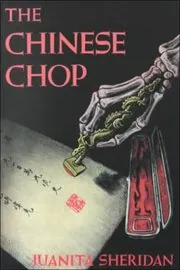
The Chinese Chop
by Juanita Sheridan
1949
In postwar New York, aspiring novelist Janice Cameron shares a Washington Square rooming house with the enigmatic Lily Wu. When a death in the basement sparks suspicion all around them, the two women have to sort through secrets, lies, and a killer close at hand.
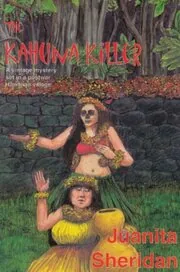
The Kahuna Killer
by Juanita Sheridan
1951
Back in Hawaii, Janice Cameron finds paradise changed by money, tourists, and old tensions that never really left. When a young hula dancer is killed and strange undercurrents rise to the surface, Lily Wu has to read the islands, and the people on them, fast.
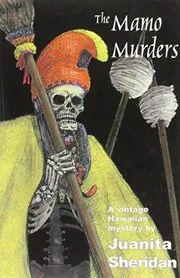
The Mamo Murders
by Juanita Sheridan
1952
Leslie Farnham returns to Maui to find her new husband missing, his relatives settled into the ranch, and a frightened stable boy dead before he can explain what he saw. Janice Cameron and Lily Wu step into a case full of greed, fear, and gathering danger.
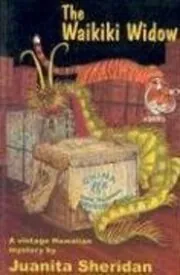
The Waikiki Widow
by Juanita Sheridan
1953
When Lily Wu brings a battered family friend to Hawaii after a brutal escape from China, Janice Cameron expects trouble. A death, a missing fortune in pearls, and the shadowy Lady Blanche Carleton pull them into a case that feels both glamorous and deeply personal.
Where to start with Juanita Sheridan
If you want the full story from the beginning: The Chinese Chop → The Kahuna Killer → The Mamo Murders → The Waikiki Widow
If you want the Hawaii books first: The Kahuna Killer → The Mamo Murders → The Waikiki Widow
If you like moody postwar New York: The Chinese Chop
If you want the most personal late series case: The Waikiki Widow
Juanita Sheridan sub-series and character series
Lily Wu and Janice Cameron books in order
Explore this seriesLily Wu and Janice Cameron books in chronological order
Author bio
Juanita Sheridan was born Juanita Lorraine Light in Oklahoma on November 15, 1906. Her early life sounds unsettled in a way that later fits her fiction. After her father died, she and her mother moved around the American West, and she spent time in boarding schools. She later recalled being sent alone on train trips as a girl, which says a lot about how early she learned to rely on herself.
She grew up fast.
During the Depression, with a small son and almost no money, Sheridan ended up in Los Angeles and found work as a script girl in Hollywood. She also sold original screenplays, which meant juggling creative ambition with plain survival. That stretch of her life feels important when you read her novels. She understood unstable jobs, shabby rooms, thin wallets, and the kind of nerve it takes to keep moving when nothing is secure.
After her son was adopted by his grandmother, Sheridan went to Hawaii to give writing a real try. She lived there for several years, and Hawaii became the heart of her best fiction. Life there was not always easy. Money was short at times, she pawned what she could, and even then the typewriter was the last thing she wanted to lose. Those hard years also gave her a lasting respect for ordinary people who help without making a show of it.
Her first published novel, What Dark Secret, came out in 1943 and was written with Dorothy Dudley. A few years later she created the four books she is best known for: The Chinese Chop, The Kahuna Killer, The Mamo Murders, and The Waikiki Widow. Together they make a compact, confident series built around mystery, friendship, and place.
Lily Wu was something new in crime fiction.
In the Lily Wu books, Sheridan paired an observant young writer, Janice Cameron, with a cool, elusive Chinese American sleuth from Hawaii. Janice tells the stories, so readers discover Lily the way Janice does, bit by bit, with admiration and occasional frustration. The Chinese Chop starts in postwar New York, where a housing shortage pushes Janice into a Washington Square rooming house and into Lily's orbit. The next three books bring both women back to Hawaii, where Sheridan turns the islands into more than a backdrop. Beaches, ranches, city streets, weather, social circles, local customs, and postwar change all matter to the suspense.
Readers who come to Sheridan now usually stay for the same reasons. The books move. The settings feel lived in. And the women at the center are smart, practical, and never merely decorative. The Kahuna Killer and The Mamo Murders are especially strong examples of how she combines danger with a real sense of Hawaiian life, while The Waikiki Widow gives Lily one of her most personal cases. Across the quartet, Sheridan keeps coming back to women making do, outsiders reading a room quickly, and communities where class, race, money, and old loyalties all complicate the truth.
Sheridan later lived in New York, California, and Mexico. She died in Guadalajara on May 1, 1974. For a long time her books were hard to find, but classic mystery readers kept circling back to them, and with good reason. She wrote suspense with bite, she gave the genre one of its earliest Chinese American women detectives, and she wrote Hawaii as a real, changing place rather than a postcard.




Edited by
Software engineer whose passion for tracking book recommendations from podcasts inspired the creation of MRB.
Lead investor at 3one4 Capital whose startup expertise and love for books helped shape MRB and its growth.
Comments
Did we miss something? Have feedback?
Help us improve this page by sharing your thoughts