
Jonathan Cain Books in Order
Browse Jonathan Cain books in order, including Saigon Commandos, with quick summaries, series background, an author bio, and easy where-to-start tips.
Last updated:
As an Amazon Associate, we earn from qualifying purchases (at no extra cost to you).
Jonathan Cain books in publication order
12 books
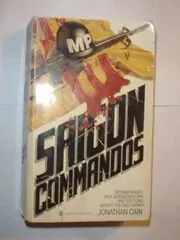
Saigon Commandos
by Nicholas Cain
1983
Burned out Green Beret Mark Stryker returns to Saigon and joins the 716th MPs, cops trying to keep a war city from blowing apart. Deserters, black-market gangs, and a vicious street killer turn every patrol into a case.
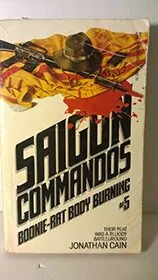
Boonie-Rat Body Burning
by Nicholas Cain
1984
Someone called the Torch is dousing drunken GIs with gasoline and setting them ablaze, and Stryker needs answers fast. Meanwhile, deserters, street thieves, and a frightened rookie pull the MPs into trouble on every block.
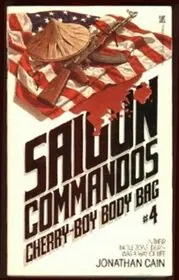
Cherry Boy Body Bag
by Nicholas Cain
1984
Stryker and the 716th juggle a city full of trouble, from peace talks and bad dope to deserters and nervous new MPs. It is a busy, wide-angle look at Saigon, where any small disturbance can turn into a major crisis.
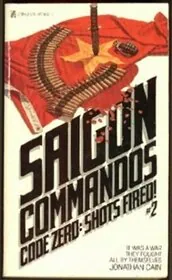
Code Zero Shots Fired
by Nicholas Cain
1984
Back with the 716th, Stryker hunts a missing MP after a sniper attack and uncovers a trail that runs through double lives and foreign intrigue. As the case widens, Saigon keeps throwing fresh chaos at his squad.
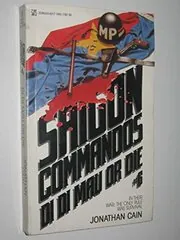
Di Di Mau or Die
by Nicholas Cain
1984
After mercenaries ambush a payroll convoy and slaughter dozens of MPs, Stryker hunts the corrupt network behind the attack. Dirty officers, leaked schedules, and superstition all shadow a mission that could end in another massacre.

Dinky Dau Death
by Nicholas Cain
1984
A bounty is put on a reckless First Cavalry captain, and Stryker sends two rookie MPs undercover into the field to stop the hit. Out in the jungle, they learn the man they are protecting may be as dangerous as the assassin.
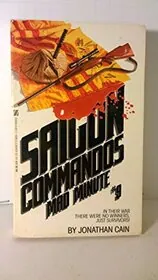
Mad Minute
by Nicholas Cain
1985
A rogue former MP begins a one-man terror campaign against supposed Communist sympathizers, while Stryker is framed for murder. His friends must clear his name and stop the killings before Saigon swallows one more good man.
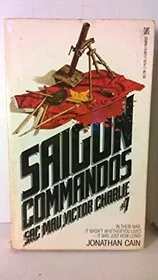
Sac Mau, Victor Charlie
by Nicholas Cain
1985
An old enemy comes to Saigon looking for revenge on Mark Stryker, just as the MPs are hit with bizarre killings and crooked schemes. Danger comes from every direction as several messy cases begin to connect.
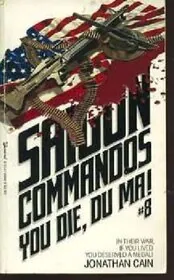
You Die, Du Ma!
by Nicholas Cain
1985
CID detective Robert Quinn becomes the center of the story when a sadistic escaped criminal kidnaps his family to settle an old score. The hunt is personal, brutal, and far more intimate than the usual squad-wide cases.

Hollowpoint Hell
by Nicholas Cain
1986
The first shock of Tet has passed, but Saigon is still full of snipers, holdouts, and desperate firefights. Stryker's MPs fight block by block while trying to clear a sergeant accused of murdering his own commander.
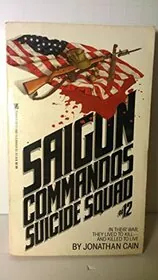
Suicide Squad
by Nicholas Cain
1986
In the final book, the mop-up after Tet is still deadly, with small bands of enemy fighters turning the city into a maze of last stands. Stryker races between flashpoints and a family crisis as the series heads toward a hard finish.
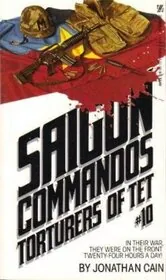
Torturers of Tet
by Nicholas Cain
1986
As the Tet Offensive erupts on January 31, 1968, Stryker and the 716th MPs are pushed from policing into all-out street combat. Saigon becomes a battlefield, and holding the city together suddenly feels almost impossible.
Where to start with Jonathan Cain
If you want the true entry point: Saigon Commandos → Code Zero Shots Fired → Dinky Dau Death
If you want the series at full speed: Boonie-Rat Body Burning → Di Di Mau or Die → Sac Mau, Victor Charlie
If you want the big war arc: Torturers of Tet → Hollowpoint Hell → Suicide Squad
Jonathan Cain sub-series and character series
Author bio
Jonathan Cain was one of the pen names used by Colorado-born action writer Nicholas Cain. What made his paperbacks stand out was not polish or literary posing, it was the sense that he had actually been in these rooms, on these streets, and inside these systems. His books come out of military police work, regular police work, and a long memory for the way people behave when pressure never lets up.
He was born and raised in the Rocky Mountains of Colorado. In 1972, during the Vietnam era, he volunteered for Army service and worked as a military policeman. His time in uniform took him through Vietnam and later to posts in Thailand and South Korea, and he left the Army in 1975 with the rank of sergeant. That mix of discipline, bureaucracy, danger, and dark humor never really left his writing.
It gave him his subject.
After the Army, Cain went back to Colorado and stayed in law enforcement. He worked as a state trooper in the Denver area and later as a city police officer in Thornton. He spent about a decade doing the job, and that practical experience shows up everywhere in his fiction: the patrol rhythms, the petty scams, the paperwork, the uneasy banter, and the way a routine call can turn ugly in seconds.
His path into publishing started with a nonfiction manuscript called Saigon Alley. Publishers passed on it, but the idea was strong enough to survive rejection. He was eventually offered a contract on the condition that he turn the material into fiction, and that decision led straight to the Saigon Commandos novels. It was a commercial nudge, but it also gave him the space to blend memory, invention, and procedural detail.
That was the break.
Beginning with Saigon Commandos in 1983, Cain built a twelve-book run around Sergeant Mark Stryker and the 716th MPs in wartime Saigon. Titles like Code Zero Shots Fired, Boonie-Rat Body Burning, Mad Minute, and Torturers of Tet show what readers tend to like about him. These are not front-line infantry epics. They are cop stories set inside a war, full of deserters, black-market operators, street crimes, snipers, frightened civilians, and officers trying to hold a city together one ugly shift at a time.
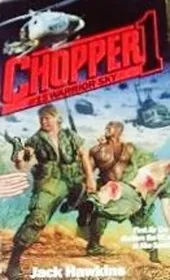
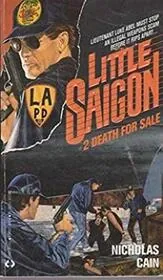
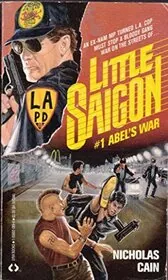
He wrote in other lanes too. Under the names Nik Uhernik and Jack Hawkins, he produced more action series, including War Dogs and the early Chopper-1 books. Writing under his own name, he created the Luke Abel novels, often grouped as the Little Saigon series and launched with Abel's War. Those books move the action to Southern California, but the concerns are familiar: Vietnamese and American worlds rubbing against each other, cops caught between institutions and communities, and veterans still living with the long tail of the war.
One Jonathan Cain novel even made it to the screen. Mad Minute, the ninth Saigon Commandos book, became the basis for the 1988 film Saigon Commandos. That kind of afterlife fits his work. These novels were written fast and sold as paperbacks, but readers still come back to them because the setting feels specific and the job at the center of them feels real.
By 1990, after writing more than thirty books, Cain stepped away from fiction and became a private investigator in Los Angeles. He later taught classes on investigative work and wrote a pair of practical manuals drawn from that trade. In a way, that ending makes sense. He spent years turning cops, cases, and survival into fiction, then went back to the same world without the invented names.



Edited by
Software engineer whose passion for tracking book recommendations from podcasts inspired the creation of MRB.
Lead investor at 3one4 Capital whose startup expertise and love for books helped shape MRB and its growth.
Comments
Did we miss something? Have feedback?
Help us improve this page by sharing your thoughts