
John Wainwright Books in Order
Browse John Wainwright books in order, with short summaries, series guides, and tips on where to start with his Yorkshire crime novels.
Last updated:
As an Amazon Associate, we earn from qualifying purchases (at no extra cost to you).
John Wainwright books in publication order
78 books

Ten steps to the gallows
by John Wainwright
1965
One of Wainwright's earliest procedurals, this is a brisk march through investigation, pressure, and the fear of fatal error. The title captures the sense that every decision has weight.

The Crystallised Carbon Pig
by John Wainwright
1966
An early Wainwright oddity that blends police procedure with spy-thriller energy. Detective Sergeant Pewter and his seniors are drawn into a case whose strange centerpiece points beyond routine crime.
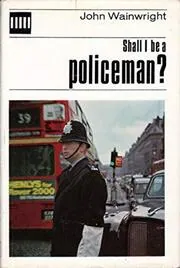
Shall I Be a Policeman?
by John Wainwright
1967
A short career guide for readers curious about police work. Wainwright explains the job in plain language, drawing on real experience rather than television fantasy.
Edge of Extinction
by John Wainwright
1968
One of Wainwright's early Lewis novels, this book follows a case where the pressure keeps narrowing everyone's options. The police work is lean, unsentimental, and close to the street.
Big Tickle
by John Wainwright
1969
This is the same mischievous, sharp-edged Wainwright title in another listing, with crime played partly for irony and partly for pain. The comedy never hides the risk for long.

Freeze Thy Blood Less Coldly
by John Wainwright
1970
A chilling murder and its aftermath bring Charles Ripley into one of Wainwright's colder, more severe police stories. The atmosphere is grim, but the investigation stays clear-eyed.

Prynter's Devil
by John Wainwright
1970
Wainwright turns an ordinary name into a source of threat, rumor, and moral unease. The result is a dark crime novel where fear grows as steadily as the facts.
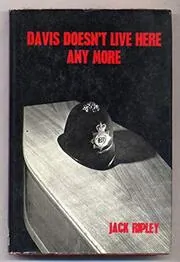
Davis Doesn’t Live Here Any More
by John Wainwright
1971
Written as Jack Ripley, this novel begins with absence and lets suspicion grow from there. A missing man, shifting stories, and criminal opportunism make it move quickly.
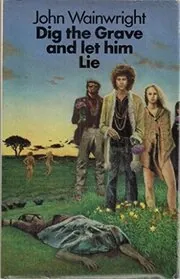
Dig the Grave and Let Him Lie
by John Wainwright
1971
The title tells you how grim this one will be. Wainwright builds a tough crime story around death, concealment, and the false hope that the past can be buried for good.

Discovering Lapidary Work
by John Wainwright
1971
A straightforward introduction to cutting, shaping, and polishing stone. It shows a very different side of Wainwright, practical, patient, and interested in craft.

The Big Tickle
by John Wainwright
1971
An off-center crime novel with a sour smile, this book mixes trouble, mischief, and escalating consequences. Wainwright keeps the tone light enough to amuse and dark enough to bite.
The Last Buccaneer
by John Wainwright
1971
Adventure, criminal nerve, and old-fashioned swagger give this novel a slightly broader canvas than Wainwright's straight police books. Even so, the danger feels close and personal.

The Pig Got Up and Slowly Walked Away
by John Wainwright
1971
Even the title hints at Wainwright's taste for the absurd side of crime. Under the comic surface sits a story of hustlers, mishaps, and plans gone wrong.
My God How the Money Rolls In
by John Wainwright
1972
Written under the Jack Ripley name, this is one of Wainwright's more offbeat crime capers, full of hustle, greed, and bad plans. Easy money never stays easy for long.
My Word You Should Have Seen Us
by John Wainwright
1972
Another Jack Ripley outing, this one leans into comic criminal chaos without losing the sting underneath. The fun comes from watching small schemes spin out of control.

Requiem for a Loser
by John Wainwright
1972
A doomed figure sits at the center of this grim procedural, and Wainwright never pretends the case will end neatly. The book is less about triumph than about damage already done.
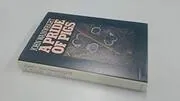
A Pride of Pigs
by John Wainwright
1973
The title fits a novel crowded with greed, vanity, and people behaving badly under pressure. Wainwright turns the nastiness into fuel for a brisk, sourly funny crime story.
A Touch of Malice
by John Wainwright
1973
What begins as routine wrongdoing turns sharper and more dangerous once real spite enters the picture. Charles Ripley has to sort accident from intention before malice produces another death.
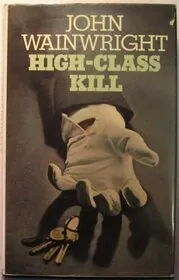
High Class Kill
by John Wainwright
1973
Wainwright plays with the classic puzzle here, giving the murder an almost impossible shape and a strong whodunit flavor. The pleasure is in watching neat appearances come apart.

The devil you don't
by John Wainwright
1973
This is crime fiction built around the old problem of choosing the evil you think you understand. Wainwright keeps the moral ground slippery and the consequences close at hand.
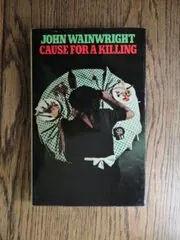
Cause for a Killing
by John Wainwright
1974
Part spy novel and part crime story, this one pushes Wainwright beyond straight procedure into murkier territory. Murder is only the surface problem, with larger hidden interests moving underneath.
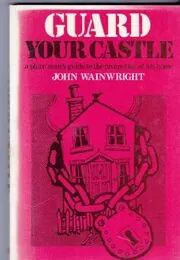
Guard Your Castle
by John Wainwright
1974
A practical guide to home security, this book draws on Wainwright's police experience rather than his fiction. It focuses on reducing risk, protecting property, and thinking like a cautious householder.

Kill The Girls And Make Them Cry
by John Wainwright
1974
The title promises ugliness, and Wainwright delivers a hard, unvarnished police novel about cruelty and control. Richard Sullivan has to work a case that tests both stamina and nerve.
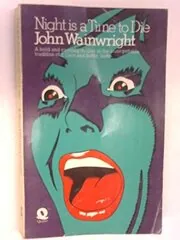
Night Is a Time to Die
by John Wainwright
1974
Darkness gives cover to both violence and bad judgment in this Charles Ripley novel. The investigation moves through the night with Wainwright's usual mix of dogged procedure and human frailty.
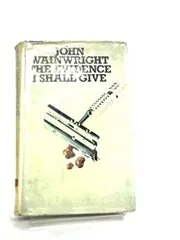
The Evidence I Shall Give
by John Wainwright
1974
Testimony matters as much as physical evidence in this Lennox procedural. As statements pile up and motives shift, the case turns on who can be believed, and who is performing for the police.
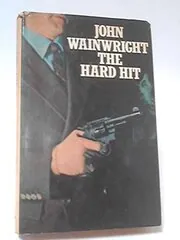
The Hard Hit
by John Wainwright
1974
Charles Ripley is pulled into a bruising case where force, fear, and reputation all matter. It is a direct, tough procedural that keeps its eyes on the cost of policing.
Coppers Don't Cry
by John Wainwright
1975
Police work in Wainwright's hands is rarely noble and never easy, and this novel lives right in that weariness. Richard Sullivan has to manage a case where toughness is expected but feeling still leaks through.

Death in a Sleeping City
by John Wainwright
1975
Chief Inspector Lewis is enraged by what looks less like a murder than an execution in his own district. Wainwright's debut already shows his taste for solid police work and the menace hidden in ordinary streets.
Evil Intent
by John Wainwright
1975
On a foggy day just after Halloween, a body is found on Table Rock and whispers of witchcraft are hard to ignore. Superintendent Charles Ripley has to cut through atmosphere and superstition alike.
Square Dance
by John Wainwright
1975
A case of intersecting motives and dangerous alliances pulls police and civilians into a tightening pattern of suspense. This is Wainwright in thriller mode, where every move sets off the next collision.
Acquittal
by John Wainwright
1976
A legal victory does not bring safety or peace in this sharp crime novel. Once the court case ends, Wainwright asks what acquittal really means to the people still living with the damage.
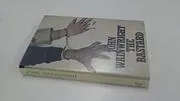
The Bastard
by John Wainwright
1976
Family shame, resentment, and hard survival drive this dark Wainwright novel. The crime story grows out of damaged identity, making the violence feel personal long before it becomes public.
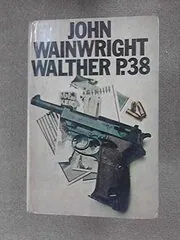
Walther P. 38
by John Wainwright
1976
An old German pistol is more than just a weapon, it is a link between past violence and present danger. Wainwright uses it to open up a tight, unsentimental crime plot.
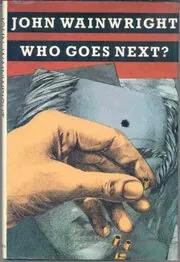
Who Goes Next?
by John Wainwright
1976
The title says the threat plainly enough. Wainwright builds the suspense around waiting, guessing, and the fear that violence may not be finished with its first victim.
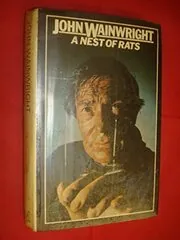
A Nest of Rats
by John Wainwright
1977
A cluster of shabby loyalties, bad motives, and frightened people makes this one feel suitably trapped from the start. Wainwright keeps closing the exits until the whole case turns nasty.
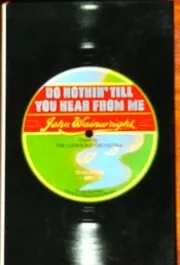
Do Nothin' Till You Hear from Me
by John Wainwright
1977
Jazz bassist Lucky Luckhurst narrates a crime story steeped in band life, late nights, and bruised ambition. The music gives the book its flavor, but the world around it is crooked and dangerous.

Pool of Tears
by John Wainwright
1977
A West Indian waiter wins big on the pools, then faces every parent's nightmare when his son is kidnapped for ransom. Lennox follows the case through panic, prejudice, and desperation.

A Ripple of Murders
by John Wainwright
1978
A killer warns that he will shoot random pedestrians unless he is paid, and when the threat is ignored he follows through. The police set a complicated trap, only to watch it explode in their faces.
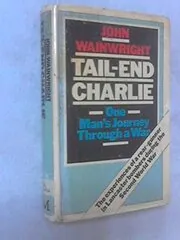
Tail End Charlie
by John Wainwright
1978
Wainwright's wartime memoir looks back on his service as a rear gunner in Lancaster bombers. It is personal, unsentimental, and valuable for the detail it brings to RAF life.
The Jury People
by John Wainwright
1978
A Pakistani man is convicted of murder in England, and Wainwright examines both the crime and the trial that follows. It is part courtroom novel, part study of prejudice and pressure.
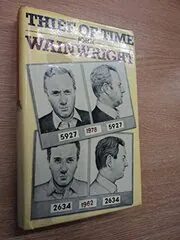
Thief of Time
by John Wainwright
1978
A solicitor imprisoned for killing his wife breaks out and slides deeper into crime, manipulation, and revenge. The book has the wild swing of a confession, but keeps tightening toward one last violent reckoning.
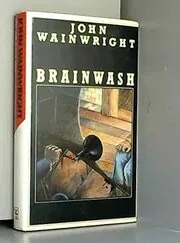
Brainwash
by John Wainwright
1979
Much of this famous novel unfolds inside police questioning, as an investigator presses a suspect in a child murder case. The tension comes from words, pauses, and the terrifying possibility that the wrong answer may still sound true.
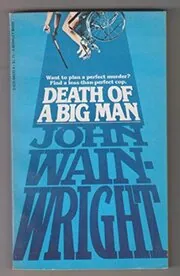
Death of a Big Man
by John Wainwright
1979
The death of a powerful man gives Charles Ripley a case weighted with status, fear, and false leads. Wainwright keeps the investigation grounded in rank, routine, and private corruption.

Duty Elsewhere
by John Wainwright
1979
Adam Cooke has been a mobster, a hoodlum, and a man always trying to outrun his past. Inspector Lyle steps into a case where old crimes and unfinished grudges refuse to stay buried.
Home is the Hunter and The Big Kayo
by John Wainwright
1979
This volume pairs two hard-edged crime stories built on pursuit, pressure, and sudden violence. Both show Wainwright's feel for ordinary people making very bad calculations.
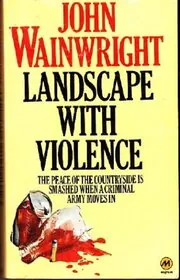
Landscape with Violence
by John Wainwright
1979
A violent crime shatters the calm of an ordinary Yorkshire setting and exposes the pressure simmering underneath daily life. Wainwright is less interested in glamour than in how fear spreads through a whole community.
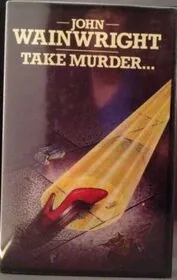
Take Murder
by John Wainwright
1979
A single death opens out into a more tangled case of motive, resentment, and moral evasions. Lennox has to work through conflicting stories and hidden loyalties before the shape of the crime becomes clear.
The Reluctant Sleeper
by John Wainwright
1979
Sleep should offer escape, but here it feels more like surrender. Wainwright turns that unease into a tense crime story about a man dragged toward danger he cannot quite avoid.
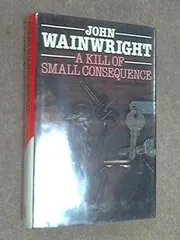
A Kill of Small Consequence
by John Wainwright
1980
Tough, ambitious policeman Robert Blayde finds himself hunting a murderer who is far too close to home. The case forces him to choose between family feeling and the hard logic of his job.
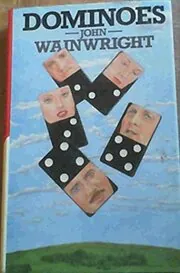
Dominoes
by John Wainwright
1980
One bad decision knocks into the next until several lives are moving toward the same point of collapse. Inspector Lyle works through the chain reaction, knowing each answer will trigger another problem.

The Eye of the Beholder
by John Wainwright
1980
The famous magician Great Gordano dies by poison among a small circle of intimates, leaving police with a closed set of suspects and no clear motive. It is a clever, theatrical suspense novel with a sharp final turn.
The Venus Fly Trap
by John Wainwright
1980
Inside a luxury Soho night spot, waiter Sidney Palmer and his family are trapped in the pull of criminals, money, and revenge. A murder tangles the strings and turns their carefully balanced lives tragic.
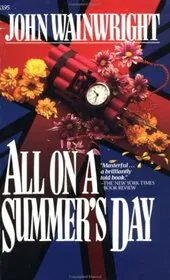
All on a Summer's Day
by John Wainwright
1981
Set across twenty-four hours in a northern police station, this novel shows routine work tipping into crisis. Wainwright is as interested in the machinery of policing as he is in the crimes themselves.
An Urge for Justice
by John Wainwright
1981
An old woman is found hanged with piano wire in a northern village, but the investigation uncovers a past full of aliases and wartime guilt. Blayde has to decide what justice should look like now.

Tension
by John Wainwright
1981
Wainwright keeps this one wound tight, with characters boxed in by suspicion, nerves, and bad options. The plot moves like a pressure cooker, building steadily toward violence.
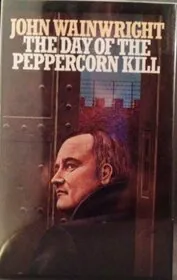
The Day of the Peppercorn Kill
by John Wainwright
1981
A man released after years in prison comes home convinced he was framed and ready to settle old scores. Lennox has to read the past correctly before revenge turns into a chain of fresh disasters.
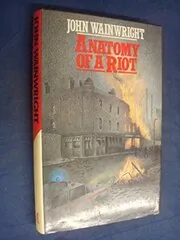
Anatomy of a Riot
by John Wainwright
1982
After the killing of a young Black man by police, a small English town slides from tension into open revolt. Wainwright follows the inquiry and the street violence with a clear eye for politics and anger.
Blayde, R.I.P.
by John Wainwright
1982
Chief Superintendent Robert Blayde's long career is shown in hard, often violent episodes that explain both his toughness and his reputation. It works as crime novel and character study at the same time.

The Distaff Factor
by John Wainwright
1982
A case that seems to turn one way is quietly driven by women whose roles have been underestimated from the start. Wainwright builds the suspense out of misreading people, not missing clues.
Heroes No More
by John Wainwright
1983
This is one of Wainwright's grimmer crime novels, interested in what happens after courage runs out. The crime matters, but so do exhaustion, disillusion, and the slow collapse of loyalty.
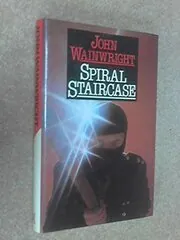
Spiral Staircase
by John Wainwright
1983
Three years after a murder conviction destroyed his career, Lennox returns from prison to a world that no longer sees him as a policeman. Wainwright uses his fall to explore justice, pride, and unfinished business.

Their Evil Ways
by John Wainwright
1983
Superintendent Ralph Flensing faces a case in which respectable manners hide darker impulses and old resentments. It is a lean procedural about the frightening ease with which ordinary people justify terrible acts.
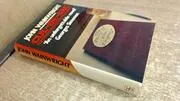
Cul-de-Sac
by John Wainwright
1984
After a woman's fall from a cliff is written off as misadventure, a compromised witness insists it was murder. Sergeant Harry Harker digs into two conflicting versions of the same marriage and death.

The Forest
by John Wainwright
1984
Long-festering rivalry between two half-brothers turns vicious when inheritance, title, and money are put on the table. Wainwright uses the family feud to build a tight, bitter study of class and violence.

The Ride
by John Wainwright
1984
With a suspect but no proof in a brutal murder case, two senior officers build an elaborate trap to force the truth out. What they get instead is a confession that upends everything they thought they knew.
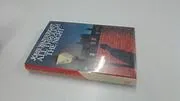
All Through the Night
by John Wainwright
1985
What should be a routine night shift for a small northern police force turns into a chain of crises and private reckonings. The pressure is made worse by the cold authority of Harry Barstow.
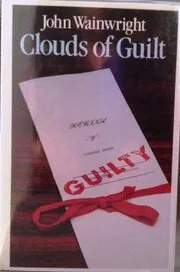
Clouds of Guilt
by John Wainwright
1985
Acquitted of helping plan a bank robbery, Charles Ryder finds that freedom means little when his family and employers still think he's guilty. Then he is dragged into a criminal network and a planned gold heist.
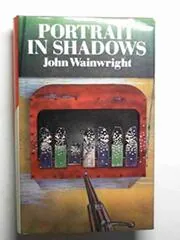
Portrait in Shadows
by John Wainwright
1986
A killing wrapped in obsession and misdirection draws the police into one of Wainwright's more suspense-driven plots. The book slowly trades solid procedure for a darker study of appearances and control.
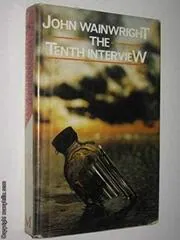
The Tenth Interview
by John Wainwright
1986
Pharmacist Herbert Grantley calmly confesses to killing his wife, and the interview that follows becomes the whole book's trap. As his memories unfold, confession, motive, and truth all start to shift.
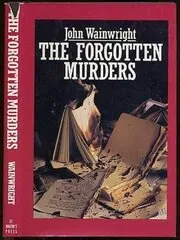
The Forgotten Murders
by John Wainwright
1987
A riderless horse on the Yorkshire moors leads police to one killing, then a helicopter is blown out of the sky and the case widens fast. Wainwright gives the investigation both scale and menace.
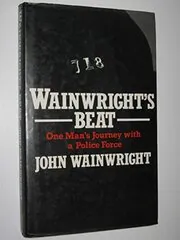
Wainwright's Beat
by John Wainwright
1987
In this memoir, Wainwright looks back on life as an ordinary beat copper, from training school and street patrols to dog rescues and murder hunts. It is practical, lively, and full of first-hand detail.
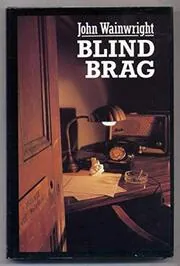
Blind Brag
by John Wainwright
1988
Struggling private eye Harry Thompson is pulled into a kidnapping case after identifying an amnesiac tied to a powerful industrial family. Soon he is only one pawn in a much larger web of theft, politics, and murder.
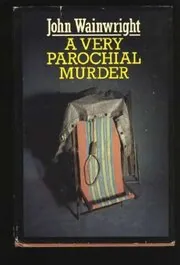
A Very Parochial Murder
by John Wainwright
1989
When local troublemaker Jimmy Doyle turns up dead, the real shock is not that someone killed him but who, and why. Wainwright turns a small-town murder into a sharp, unsettling Inspector Lyle case.
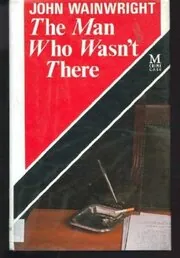
The Man Who Wasn't There
by John Wainwright
1989
Inspector Lyle takes charge of a secret investigation in which appearances are unusually slippery. The deeper he goes, the more the case turns on absence, impersonation, and what people choose not to say.
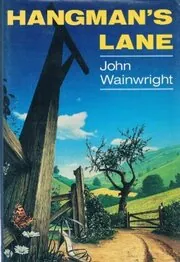
Hangman's Lane
by John Wainwright
1992
When a constable's wife is found shot dead in a Yorkshire village, suspicion falls hard on the husband. Inspector Lyle has to work past lazy assumptions and missing pieces to find out what really happened.
Sabbath Morn
by John Wainwright
1993
A quiet setting and a measured opening give way to guilt, violence, and buried resentment. Wainwright keeps the tone calm on the surface, which only makes the later shocks land harder.

Murder Story
by John Wainwright
1995
Battling London gangs and street-level crooks is only part of the problem here, because private investigator Harry Thompson is in the middle of it too. Wainwright mixes hard-nosed action with a strong courtroom and jury element.
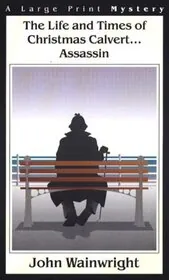
The Life and Times of Christmas Calvert-- Assassin
by John Wainwright
1995
Christmas Calvert is a gifted wartime killer recruited into a covert murder squad, and age does not free him from what he has done. It is a bleak, cool novel about violence, duty, and emotional damage.
Where to start with John Wainwright
If you want a strong entry to his police procedurals: The Evidence I Shall Give → Pool of Tears → Take Murder
If you prefer psychological crime: The Tenth Interview → Cul-de-Sac → Blind Brag
If you want Yorkshire policing on a bigger canvas: All on a Summer's Day → An Urge for Justice → Anatomy of a Riot
If you want village murder and late-career atmosphere: The Forgotten Murders → A Very Parochial Murder
If you want something darker and stranger: The Life and Times of Christmas Calvert-- Assassin
John Wainwright sub-series and character series
Chief Inspector Lennox books in order
Explore this seriesChief Inspector Lennox books in chronological order
Sullivan (John Wainwright) books in order
Explore this seriesSullivan (John Wainwright) books in chronological order
Superintendent Gillant books in order
Explore this seriesSuperintendent Gillant books in chronological order
Superintendent Ralph Flensing books in order
Explore this seriesSuperintendent Ralph Flensing books in chronological order
Superintendent Robert Blayde books in order
Explore this seriesSuperintendent Robert Blayde books in chronological order
John Wainwright collections, short stories, and related book types
Non-Fiction
Standalone John Wainwright books
Author bio
John Wainwright was born in Hunslet, in south Leeds, on February 25, 1921, and he grew up in the hard-edged world that later fed so much of his fiction. His novels are full of working policemen, ordinary streets, shabby pride, and people pushed past their limits, and that feeling came from somewhere real.
He left school at fifteen. During the Second World War he served as a rear gunner in Lancaster bombers, an experience he later drew on in Tail End Charlie.
After the war he joined the West Riding Constabulary in 1947 and spent twenty years policing in Yorkshire. He was not only doing the day job, either. In his spare time he studied law and earned a degree in 1956, which helps explain why so many of his books feel solid on both police procedure and legal pressure.
That mix of beat work and book learning shaped everything he wrote.
While still in the force he tried writing a crime novel. It became Death in a Sleeping City in 1965, and the success of that first book opened a second career. He left the police in 1966 and began writing full time, later moving with his editor George Hardinge when Hardinge changed publishing houses.
Wainwright wrote fast and wrote a lot, around eighty books in all, including four under the name Jack Ripley. Most readers know him for tough police novels set in a thinly disguised Yorkshire, but he could shift gears when he wanted. The Evidence I Shall Give shows his feel for the procedural, Cul-de-Sac turns a possible cliffside murder into a tense moral puzzle, The Tenth Interview traps the reader inside a confession, and The Life and Times of Christmas Calvert-- Assassin shows how far he could move toward darker and stranger material.
What makes his best work stick is not glamour. It is procedure, pressure, and psychology. He liked interviews, conflicting statements, tired detectives, small towns with long memories, and the way one bad act can spread through a whole community. Even when the plots grow intricate, the people tend to feel recognisable, stubborn, frightened, proud, and perfectly capable of talking themselves into disaster.
He also had a strong ear for music.
Wainwright loved swing and traditional jazz, and that interest slips into several books, especially Do Nothin' Till You Hear from Me. He also wrote radio plays, short stories, newspaper columns, a home security guide called Guard Your Castle, and a career book, Shall I Be a Policeman?.
He kept a fairly private life and did not make much of a public show of himself. He died in Blackpool on September 19, 1995, only a few months after the publication of his final novel. His name is less widely known now than it once was, but readers who like lean, clever, unsentimental British crime fiction still have a lot to dig into here.
Edited by
Software engineer whose passion for tracking book recommendations from podcasts inspired the creation of MRB.
Lead investor at 3one4 Capital whose startup expertise and love for books helped shape MRB and its growth.
Comments
Did we miss something? Have feedback?
Help us improve this page by sharing your thoughts