
John O'Hara Books in Order
See John O'Hara books in order, with short summaries, major novels, story collections, and clear advice on where to start reading his work.
Last updated:
As an Amazon Associate, we earn from qualifying purchases (at no extra cost to you).
John O'Hara books in publication order
45 books
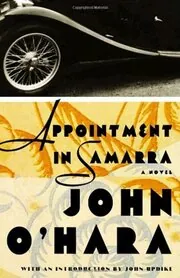
Appointment in Samarra
by John O'Hara
1934
Over three December days in Gibbsville, Julian English wrecks his standing, his business, and his marriage with a series of reckless choices. It is fast, bitter, and devastatingly clear about pride and self-destruction.
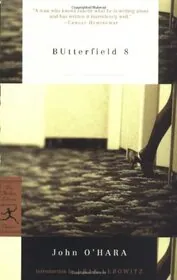
Butterfield 8
by John O'Hara
1935
Gloria Wandrous moves through Depression-era New York with beauty, appetite, and very little protection. Her affair with a married man becomes the center of a hard, unsentimental novel about sex, class, and ruin.

The Doctor's Son
by John O'Hara
1935
During the influenza pandemic of 1918, teenager Jimmy Malloy is pulled into his doctor father's overworked world. The story is both a coming-of-age tale and a sharp, intimate portrait of a difficult father and son.

The Doctor's Son and Other Stories
by John O'Hara
1935
O'Hara's first story collection is anchored by the title piece about a teenager and his doctor father during the 1918 flu pandemic. The rest show his early skill with speech, class tension, and sudden emotional shocks.

Hope Of Heaven
by John O'Hara
1938
In Hollywood, struggling screenwriter John Malloy falls hard for a younger, idealistic woman who does not fully return his feelings. Her father's arrival turns the story into a bitter study of longing, ego, and defeat.

Files on Parade
by John O'Hara
1939
This early collection turns office life, family strain, and social embarrassment into quietly tense fiction. O'Hara's gift for dialogue is already there, along with a growing sympathy for bruised, ordinary people.

Pal Joey
by John O'Hara
1940
Told through Joey Evans's slangy letters, this book follows a slick nightclub singer on the make in 1930s Chicago. Joey is funny, shameless, and hard to trust, which is exactly what makes him memorable.

Hellbox
by John O'Hara
1947
A collection of twenty-six stories packed with social climbers, operators, lovers, and lonely strivers. O'Hara moves easily from wit to ache, catching the moment when a casual remark changes everything.
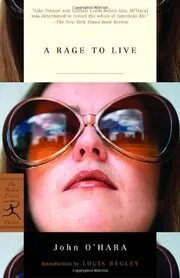
A Rage to Live
by John O'Hara
1949
Grace Caldwell Tate grows up at the center of a powerful Pennsylvania family and refuses to live quietly. Her hunger for experience drives the novel through scandal, violence, and the clash between public respectability and private need.
The Farmer's Hotel
by John O'Hara
1953
On the opening night of a rural Pennsylvania hotel, a snowstorm traps a strange mix of travelers and locals together. Over a few tense hours, small talk gives way to drink, confession, and conflict.
Ten North Frederick
by John O'Hara
1955
Opening at the funeral of Joe Chapin, this novel looks back at a Gibbsville family built on ambition, politics, and disappointment. What first appears grand and settled soon gives way to loneliness, failure, and damage passed down the line.

Selected Short Stories
by John O'Hara
1956
A handpicked volume of O'Hara's best known short fiction, ranging from Pennsylvania towns to city rooms and nightclubs. It's a strong introduction to his ear for dialogue and his obsession with class.
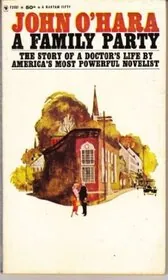
A Family Party
by John O'Hara
1957
A testimonial dinner for small-town doctor Sam Merritt becomes something far stranger as the evening's speech keeps revealing family history. What starts as public praise turns into a painful record of sacrifice and private loss.
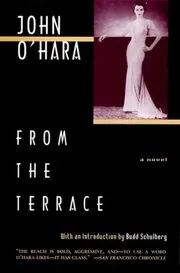
From the Terrace
by John O'Hara
1958
Alfred Eaton grows up in wealth without much warmth, then tries to build a life on work, charm, and restless ambition. O'Hara uses his rise to examine marriage, money, and the private cost of success.
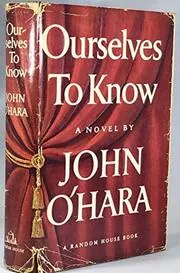
Ourselves to Know
by John O'Hara
1960
An aging Pennsylvania recluse slowly tells his life story to a younger man, circling the scandal that cut him off from ordinary life. The novel spans decades and turns memory into suspense.

Sermons and Soda-Water
by John O'Hara
1960
Three linked Jim Malloy novellas look back on youth, friendship, illness, and the slow fading of an old Pennsylvania world. It is one of O'Hara's richest books about memory and what survives after the party ends.

Assembly
by John O'Hara
1961
This collection of twenty-six stories turns parties, offices, and quiet domestic scenes into small tests of character. O'Hara is less interested in big plots than in the tiny shifts that expose what people really want.

Horse Knows the Way
by John O'Hara
1961
A late collection of stories about marriage, memory, and the old grudges people carry for years. Calm on the surface, the pieces keep opening into jealousy, regret, and class anxiety.

Five plays
by John O'Hara
1962
This volume gathers five plays and shows how naturally O'Hara's dialogue moves onto the stage. The scenes hinge on manners, friction, and the secrets people blurt out under pressure.
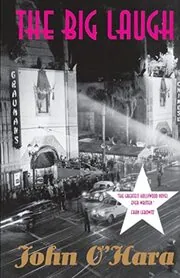
The Big Laugh
by John O'Hara
1962
Hubie Ward claws his way into Hollywood by charm, nerve, and bad behavior. As success comes closer, O'Hara shows how ambition, sex, and self-destruction can thrive behind a polished public image.

The Cape Cod Lighter
by John O'Hara
1962
A collection of twenty-three stories, many shaped by memory and by characters looking back on the lives they almost had. Funerals, reunions, and everyday rituals carry more feeling than they first seem to.

49 Stories
by John O'Hara
1963
A broad sampling of O'Hara's short fiction, showing just how much range he had within his clipped, realistic style. The stories move through Pennsylvania, New York, and Hollywood with equal ease.
Elizabeth Appleton
by John O'Hara
1963
Elizabeth Appleton leaves a wealthy New York background to marry a scholar and settle in a Pennsylvania college town. Her secret affair with a well-liked local man exposes the cost of desire, duty, and small-town appearances.

The Hat on the Bed
by John O'Hara
1963
This volume brings together twenty-four previously uncollected stories. O'Hara uses seemingly casual conversations to uncover loneliness, old scandals, and the quiet ache of social life.

Great Short Stories of John O'Hara
by John O'Hara
1965
An accessible selection of O'Hara's strongest shorter work, chosen to show his range across settings, classes, and tones. It's a good snapshot of the writer readers know best.
The Lockwood Concern
by John O'Hara
1965
A four-generation family chronicle centered on George Lockwood, heir to wealth, appetite, and a damaged idea of success. In Swedish Haven, Pennsylvania, power and respectability turn out to be poor protection against loneliness.

My Turn
by John O'Hara
1966
A collection of weekly newspaper columns in which O'Hara writes about books, manners, public life, and whatever else provoked him. The voice is brisk, combative, funny, and instantly recognizable.

Waiting for Winter
by John O'Hara
1966
One of O'Hara's major late collections, including several long stories that widen his usual small moments into whole lives. Hollywood scandal, old grief, and emotional aftershocks give the book unusual depth.

And Other Stories
by John O'Hara
1968
A late collection that keeps O'Hara close to the ordinary humiliations and private bargains of American life. The stories are spare, sharp, and unsentimental without losing their human pull.

The Novellas of John O'Hara
by John O'Hara
1968
This collection gathers O'Hara's middle-length fiction, where he has room to deepen a situation without losing his speed. Expect tight social worlds, strong talk, and endings that linger.
Lovey Childs
by John O'Hara
1969
Set in 1920s Philadelphia, this compact late novel follows Lovey Childs through a world of social rules, sexual risk, and sharp class distinctions. O'Hara keeps it lean, letting talk and key scenes do the heavy lifting.

Pipe Night
by John O'Hara
1969
These stories mix social comedy with loneliness and disappointment, often turning on one conversation too many. O'Hara's talent for catching rank, accent, and hidden motive is everywhere.
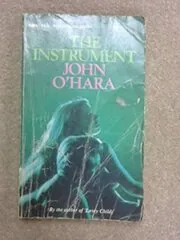
The Instrument
by John O'Hara
1969
Playwright Yank Lucas becomes a Broadway success and begins a torrid affair with famous actress Zena Gollum. Fame brings less freedom than he expected, and the novel tracks his restless attempts to outrun himself.

The O'Hara Generation
by John O'Hara
1969
This late collection watches one generation age into habit, disappointment, and uneasy self-knowledge. Old hurts, status games, and unfinished desire still shape the people in these stories.
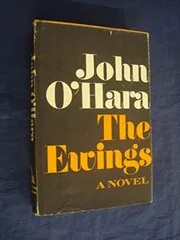
The Ewings
by John O'Hara
1972
Set in Cleveland before and during World War I, this posthumous novel follows the Ewing family as marriage, status, and sexual secrecy shape their lives. O'Hara turns domestic detail into a study of class and private compromise.

The Time Element & Other Short Stories
by John O'Hara
1972
A posthumous selection of stories about timing, memory, and chances taken too late. Even in brief form, O'Hara makes whole social worlds rise from a few lines of talk.

Gibbsville, PA
by John O'Hara
1974
This large collection gathers the classic stories set in O'Hara's fictional Pennsylvania town. Country club members, miners, shopkeepers, and drifters all live under the same fierce attention to class and desire.

Good Samaritan & Other Stories
by John O'Hara
1974
A posthumous collection that shows O'Hara still finding drama in favors, misunderstandings, and moral blind spots. The stories stay grounded in daily life but keep opening toward something darker.
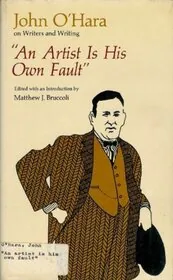
An Artist is His Own Fault
by John O'Hara
1977
This nonfiction collection gathers O'Hara's thoughts on writers, writing, and literary life. It shows him at his sharpest and most opinionated, full of blunt judgments, craft talk, and self-revealing candor.

The Second Ewings
by John O'Hara
1977
A brief posthumous work linked to The Ewings, continuing O'Hara's interest in family history and social performance. It stays focused on marriage, class, and the quiet pressure of old expectations.
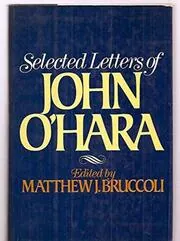
Selected Letters
by John O'Hara
1978
A selected volume of O'Hara's correspondence, full of ambition, grievance, wit, and literary gossip. The letters give a direct view of his working life, friendships, and fierce sense of himself as a writer.

Collected Stories of John O'Hara
by John O'Hara
1984
A substantial one-volume gathering of O'Hara's finest stories from Pennsylvania, New York, and Hollywood. It shows the full reach of his dialogue, social detail, and emotional precision.

John O'Hara's Hollywood
by John O'Hara
2003
A themed collection of O'Hara's Hollywood stories, full of actors, studio people, hangers-on, and private disappointments behind public glamour. He knows exactly how show business talk can flatter, wound, and expose.

Selected Stories
by John O'Hara
2011
A concise selection from across O'Hara's short fiction, built around the stories that best show his voice. It's an easy way to sample his realism, wit, and social sharpness.

The New York Stories
by John O'Hara
2013
Collected together for the first time, these New York stories track drink, money, sex, ambition, and status across the city. O'Hara's dialogue keeps the people vivid, quick, and painfully human.
Where to start with John O'Hara
If you want the classic first novel: Appointment in Samarra → BUtterfield 8
If you want big Pennsylvania family drama: A Rage to Live → Ten North Frederick → From the Terrace
If you want the sharpest short fiction: The Doctor's Son and Other Stories → Selected Short Stories → Gibbsville, PA
If you want show business and swagger: Pal Joey → Hope of Heaven → The Big Laugh
John O'Hara collections, short stories, and related book types
Short Stories/Novellas
Non-Fiction
Collections
Standalone John O'Hara books
Author bio
John O'Hara was born in Pottsville, Pennsylvania, in 1905 and grew up in the coal-region world he would later remake as Gibbsville. His father was a respected surgeon, and the family lived close enough to local privilege to study its rules from the inside. He was the oldest of eight children, and that mix of family pressure, ambition, and watchfulness fed his fiction for the rest of his life.
He never got over losing Yale.
O'Hara had planned to go there, but his father died in 1925 and the plan fell apart. After a run of schools and odd jobs, he went into newspaper work, first in Pennsylvania and then in New York. The training stayed with him. He learned to move fast, notice social clues, and trust a line of talk to reveal more than a page of explanation.
New York changed everything. O'Hara began publishing in The New Yorker in 1928 and went on to place more stories there than any other writer in the magazine's history. He also worked as a critic, press agent, radio commentator, and screenwriter, which helps explain why his fiction is so alert to performance, gossip, and the ways people present themselves in public.
His first novel, Appointment in Samarra, appeared in 1934 and made his name almost at once. It was followed by BUtterfield 8, Hope of Heaven, and Pal Joey, books that showed how good he was at writing desire, ambition, and self-sabotage without softening any of it. Readers still come to O'Hara for the speed of the scenes, the sting of the dialogue, and the feeling that everyone on the page is measuring everyone else.
He listened harder than most novelists.
That gift made him an exceptional short story writer. He wrote hundreds of stories, many set in Pennsylvania, New York, or Hollywood, and many built around the small slips in manners or timing that change a life. In The Doctor's Son, Selected Short Stories, and later collections such as Waiting for Winter, he could fit shame, longing, money, drink, and family strain into a few pages without making the story feel cramped. His people often talk to hide what they feel, and that gap between speech and truth is where much of the force comes from.
During the Second World War he worked as a correspondent in the Pacific. After the war he wrote at an almost punishing pace, producing large bestselling novels such as A Rage to Live, Ten North Frederick, and From the Terrace. Ten North Frederick won the National Book Award, and several of his books were adapted for the stage or screen. He also wrote newspaper columns later collected in My Turn.
Success did not make him easy. O'Hara could be funny, sharp, ambitious, touchy, and openly resentful, sometimes all at once. Those qualities are part of what gives the work its charge. Again and again he wrote about status, sex, money, marriage, drink, and the half-spoken rules of American life. He understood country clubs, hotel bars, boardinghouses, newsrooms, and movie sets because he had moved through all of them with his eyes open.
He lived in places that kept feeding the fiction, including New York, Hollywood, Long Island, and finally Princeton, New Jersey. In his later years he kept widening the world of his stories almost to the end of his life, even as his reputation became more uneven than his sales. He died in Princeton in 1970. Read him now and what still feels fresh is the sound of the people. They flatter, evade, brag, wound, flirt, and defend themselves in real time. O'Hara heard it all.






Edited by
Software engineer whose passion for tracking book recommendations from podcasts inspired the creation of MRB.
Lead investor at 3one4 Capital whose startup expertise and love for books helped shape MRB and its growth.
Comments
Did we miss something? Have feedback?
Help us improve this page by sharing your thoughts