
John Nichols Books in Order
Browse John Nichols books in order, with quick summaries, New Mexico Trilogy notes, and clear advice on where to start with his novels and memoirs.
Last updated:
As an Amazon Associate, we earn from qualifying purchases (at no extra cost to you).
John Nichols books in publication order
15 books
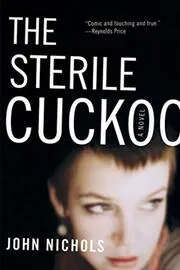
The Sterile Cuckoo
by John Nichols
1965
Jerry Payne meets the unforgettable Pookie Adams on a bus ride and is pulled into a love affair he never expected. Funny and sad in equal measure, the novel tracks how first love can open a heart and break it.
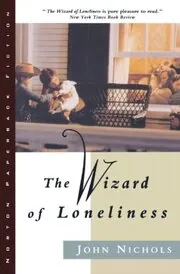
The Wizard of Loneliness
by John Nichols
1966
During World War II, eleven-year-old Wendall Oler is sent to live with relatives in rural Vermont. Angry, lonely, and acting out, he slowly finds warmth in a family he meant to resist.
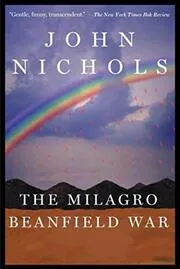
The Milagro Beanfield War
by John Nichols
1974
When Joe Mondragon illegally taps an irrigation ditch to water his beanfield, a small act of defiance turns into a townwide fight. Funny, messy, and deeply rooted in place, the novel pits local farmers against power brokers and developers.
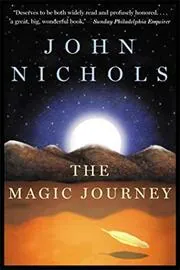
The Magic Journey
by John Nichols
1978
A bus explosion creates a hot spring, and suddenly forgotten Chamisaville becomes a boomtown. Over decades, Nichols shows miracle turning into money, as locals fight developers, corruption, and the slow theft of land, culture, and belonging.
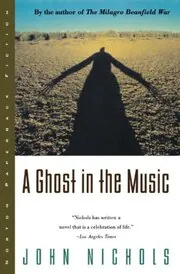
A Ghost in the Music
by John Nichols
1979
Bart Darling is about to risk his life on a movie stunt, even as his pregnant girlfriend threatens to leave. When his distant son arrives to help, desire and resentment tangle into a raw family triangle.
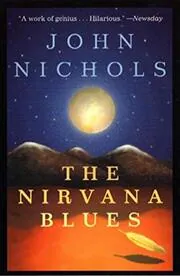
The Nirvana Blues
by John Nichols
1981
Joe Miniver wants to buy a last scrap of land in Chamisaville and hold his family together. Instead he stumbles into drugs, temptation, and public chaos in a wild, funny, sad novel about a place losing its old balance.
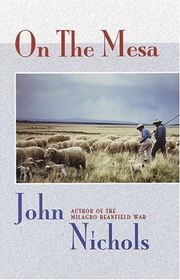
On The Mesa
by John Nichols
1986
This memoir looks at the sagebrush plain west of Taos and finds a whole world in it. Nichols blends close observation, personal reflection, and environmental worry into a book about paying attention to a fragile place.
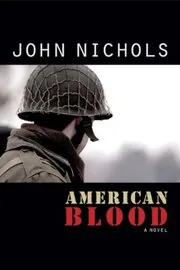
American Blood
by John Nichols
1987
Michael Smith comes home from Vietnam carrying memories he cannot shake. In New Mexico he tries to build a life, but Nichols keeps forcing him, and the reader, to face how violence abroad bleeds into ordinary American life.
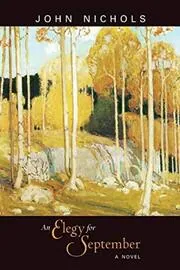
An Elegy for September
by John Nichols
1992
A fifty-year-old man with a weak heart and two failed marriages falls into a brief, charged relationship with a nineteen-year-old woman. Their September affair becomes a quiet reckoning with age, desire, and the life he can no longer pretend is endless.
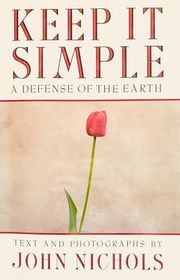
Keep It Simple: A Defense of the Earth
by John Nichols
1992
Part nature writing, part environmental warning, this book pairs Nichols's photographs with his plainspoken case for living more lightly on the land. It is rooted in New Mexico, but its argument reaches far beyond one place.
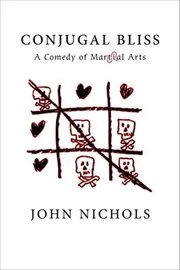
Conjugal Bliss
by John Nichols
1994
Roger thinks marrying Zelda will turn passion into lasting happiness. Instead he lands in a volatile battle of jealousy, sex, ego, and middle-aged chaos, as Nichols turns marriage into a darkly comic contact sport.
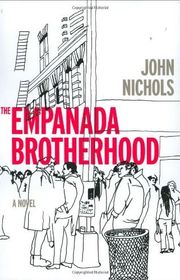
The Empanada Brotherhood
by John Nichols
2007
In early 1960s Greenwich Village, a shy aspiring writer finds friendship, mischief, and love around a tiny empanada stand. Nichols turns a bohemian corner of New York into a warm, funny coming-of-age story with a bittersweet edge.
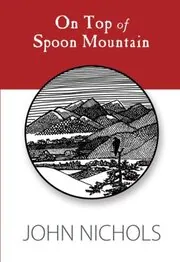
On Top of Spoon Mountain
by John Nichols
2012
After a heart scare, sixty-five-year-old writer Jonathan Kepler decides he must climb a New Mexico peak with his adult children. The trip becomes a stubborn, funny, painful bid for redemption, family peace, and one last chance to feel fully alive.
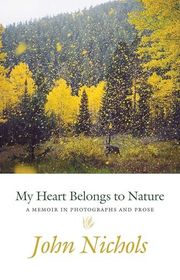
My Heart Belongs to Nature
by John Nichols
2017
In words and photographs, Nichols traces his long bond with the Taos valley, nearby mountains, and the creatures that share them. It is part memoir, part field notebook, and part love letter to a lived-in landscape.

I Got Mine: Confessions of a Midlist Writer
by John Nichols
2022
Nichols looks back on his writing life with candor, humor, and very little self-mythologizing. The memoir moves through books, marriages, politics, Hollywood, money troubles, and the daily work of trying to live as an artist.
Where to start with John Nichols
If you want the New Mexico classics: The Milagro Beanfield War → The Magic Journey → The Nirvana Blues
If you want the early coming-of-age novels: The Sterile Cuckoo → The Wizard of Loneliness
If you want his darker, sharper fiction: American Blood → An Elegy for September → Conjugal Bliss
If you want memoir, nature, and the writer behind the novels: On The Mesa → My Heart Belongs to Nature → I Got Mine: Confessions of a Midlist Writer
John Nichols sub-series and character series
The New Mexico Trilogy books in order
Explore this seriesThe New Mexico Trilogy books in chronological order
John Nichols collections, short stories, and related book types
Non-Fiction
Standalone John Nichols books
Author bio
John Nichols was born in Berkeley, California, on July 23, 1940, but he did not grow up in one settled place. He moved often as a child, lived in several towns on both coasts, and carried around a family history that was both bookish and complicated. His mother, Monique, was French and died when he was very young. His grandfather, John Treadwell Nichols, was a naturalist at the American Museum of Natural History. That mix of loss, motion, and close looking stayed with him.
He started writing stories at ten and kept at it.
By the time he was at Hamilton College, where he graduated in 1962, he was already drafting novels at a fast clip. After college he spent time in Barcelona, planning to teach, learn languages, and write seriously. That was where he finished The Sterile Cuckoo, the offbeat love story that became his first published novel in 1965. A year later came The Wizard of Loneliness, another early book that mixed humor, ache, and a sharp eye for the awkward ways people try to belong.
Those first novels brought attention fast, and film followed too. The Sterile Cuckoo was adapted into a 1969 movie, and The Wizard of Loneliness later made it to the screen as well. Nichols also worked in film himself, spending years around screenplays and doing an uncredited rewrite on Missing. Hollywood paid bills and caused headaches, which became part of his story too.
The deeper turn in his life came in 1969, when he left the East Coast and moved with his family to Taos, New Mexico. He worked at a muckraking newspaper, got drawn into local fights over land and water, and started learning the history beneath the scenery. New Mexico did not just give him a backdrop. It gave him his central subject. Out of that life came The Milagro Beanfield War, followed by The Magic Journey and The Nirvana Blues, three big, unruly novels about Chicano communities, outsiders, developers, water rights, and the damage done in the name of progress.
Taos stayed home.
Readers often come to Nichols through The Milagro Beanfield War, and it makes sense. The book is funny, crowded, political, and full of affection for ordinary people who refuse to get pushed around. But it is only one side of him. American Blood is darker and rougher, built around a Vietnam veteran trying to live with violence. On The Mesa and later My Heart Belongs to Nature show another Nichols again, the walker, photographer, and observer who could spend pages on weather, birds, sagebrush, or the light over the Rio Grande Gorge.
He kept writing late in life. The Empanada Brotherhood looked back to Greenwich Village in the early 1960s, and I Got Mine: Confessions of a Midlist Writer turned his long career into a frank memoir about work, money, politics, marriage, publishing, and stubborn survival. He was never just one kind of author. He was a novelist, memoirist, photographer, screenwriter, and activist, usually with one boot in the dirt and one eye on the people trying to sell the dirt.
Nichols lived in northern New Mexico from 1969 until his death in Taos in 2023. By then he had spent decades writing about love, comedy, damage, land, and the strange American habit of calling destruction progress. That plainspoken moral pressure is a big part of why his books still feel alive.





Edited by
Software engineer whose passion for tracking book recommendations from podcasts inspired the creation of MRB.
Lead investor at 3one4 Capital whose startup expertise and love for books helped shape MRB and its growth.
Comments
Did we miss something? Have feedback?
Help us improve this page by sharing your thoughts