
John Nichol Books in Order
Browse John Nichol books in order, from Gulf War memoirs to wartime histories and thrillers, with short summaries, reading order, and where to start.
Last updated:
As an Amazon Associate, we earn from qualifying purchases (at no extra cost to you).
John Nichol books in publication order
19 books
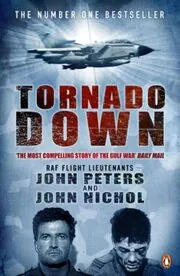
Tornado Down
by John Nichol
1992
John Nichol and pilot John Peters recount being shot down on their first Gulf War mission and enduring weeks of captivity in Iraq. It is a stark, personal account of combat, torture, fear, and the struggle to come home.

Team Tornado
by John Nichol
1994
In this follow-up to Tornado Down, John Peters and John Nichol look at RAF life after the Gulf War and the demands of flying front-line Tornados in peacetime and crisis. It is part memoir, part portrait of squadron life.
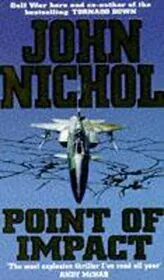
Point of Impact
by John Nichol
1996
RAF Tempests are crashing on routine missions, and Flight Lieutenant Drew Millar is not convinced by the official explanation. As he digs into the cockpit mystery, he finds a cover-up that could kill him too.
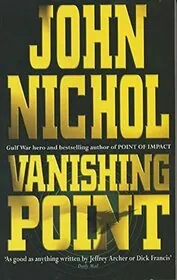
Vanishing Point
by John Nichol
1997
Mark Hunter survived being shot down and tortured in Iraq, but peace does not last. When former captives start dying years later, he follows a trail toward a secret facility and back to the place where the nightmare began.

Exclusion Zone
by John Nichol
1998
Set against a renewed Falklands crisis, this thriller follows RAF pilot Sean Riever and Jane Clark as tensions with Argentina turn violent. Missing submarines, air attacks, and old ghosts turn the islands into a brutal test of nerve.
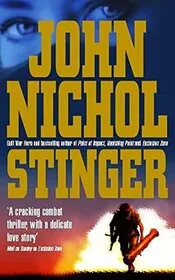
Stinger
by John Nichol
1999
Sean Riever has traded fast jets for helicopter work in Afghanistan, trying to put the worst of war behind him. Then a passenger plane is destroyed by a Stinger missile, pulling him back into a dangerous hunt.
Decisive Measures
by John Nichol
2002
Former RAF helicopter pilot Jack Griffiths takes a job with a private military company in Sierra Leone, hoping to leave old failures behind. When civil war erupts, he and doctor Layla must decide where loyalty ends and responsibility begins.
The Last Escape
by John Nichol
2002
As the war closed in on Nazi Germany, Allied POWs were marched away from approaching liberators and into winter hardship. Nichol turns their ordeal into a tense story of endurance, survival, and the final chaos of the war.
Tail-End Charlies
by John Nichol
2003
This book looks at the last phase of the bomber war, when RAF crews kept flying into flak and night fighters as the Third Reich collapsed. Nichol recovers the voices of men whose sacrifice was later overshadowed and argued over.
Home Run
by John Nichol
2007
Thousands of Allied servicemen were stranded behind enemy lines in occupied Europe, with only luck, nerve, and civilian help to keep them alive. Nichol tells their escape stories with urgency and a sharp sense of what was at stake.

Medic
by John Nichol
2009
From Dunkirk to Afghanistan, this book follows medics, nurses, doctors, and stretcher-bearers into the worst places on the battlefield. Nichol shows how war is fought not just with weapons, but with skill, nerve, and a refusal to leave the wounded behind.
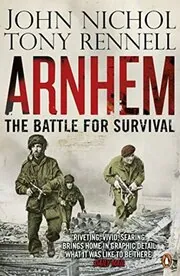
Arnhem
by John Nichol
2011
Nichol retells Operation Market Garden from the perspective of airborne troops and Dutch civilians caught in the fighting. The result is a close-up view of confusion, endurance, and courage inside a battle that went terribly wrong.
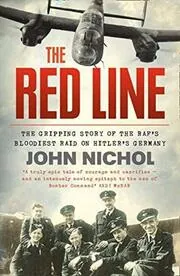
The Red Line
by John Nichol
2013
On 30 March 1944, Bomber Command sent hundreds of aircraft to Nuremberg, and disaster followed. Nichol reconstructs the RAF's bloodiest raid through eyewitness accounts, showing both the scale of the loss and the men inside it.
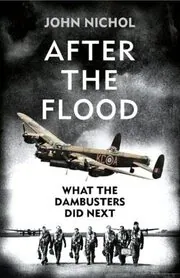
After the Flood
by John Nichol
2015
Nichol asks what 617 Squadron did after the Dams Raid and follows the Dambusters into the rest of the war. Drawing on survivor interviews and overlooked records, he shows the danger, heartbreak, and relentless pressure behind the legend.
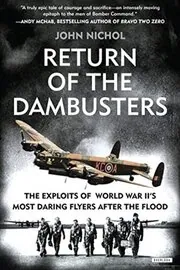
Return of the Dambusters
by John Nichol
2015
Nichol revisits 617 Squadron after its most famous mission, tracing the dangerous sorties that came next. He keeps the focus on the men themselves, showing how skill, loss, and endurance shaped the squadron's wartime story.
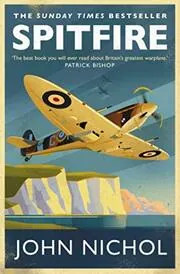
Spitfire
by John Nichol
2018
Nichol follows the Spitfire beyond the Battle of Britain, across the wider war and into the lives of the people who flew it. It blends aircraft history with personal testimony, showing why this fighter still means so much.
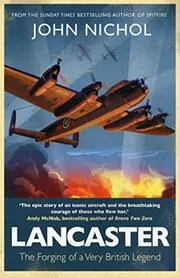
Lancaster
by John Nichol
2020
Nichol tells the story of the Lancaster bomber through the crews who flew it and the ground teams who kept it airborne. It is a human portrait of Bomber Command, shaped by courage, loss, and terrible odds.

Tornado
by John Nichol
2021
Nichol widens the lens from his own shootdown to the whole RAF Tornado force during the 1991 Gulf War. The book follows aircrew and families alike, showing the strain, danger, and losses behind Operation Desert Storm.

Eject! Eject!
by John Nichol
2023
Nichol traces the history of the ejection seat through pilots and crews who had seconds to get out alive. The book blends aviation science with survival stories, and never forgets that escape is only the start.
Where to start with John Nichol
If you want his own Gulf War story: Tornado Down → Team Tornado → Tornado
If you want Second World War aviation history: Spitfire → Lancaster → Return of the Dambusters → The Red Line
If you want people-centered wartime history: Medic → Arnhem → Home Run → The Last Escape
If you want military thrillers: Point of Impact → Vanishing Point → Exclusion Zone → Stinger
John Nichol collections, short stories, and related book types
Non-Fiction
Standalone John Nichol books
Author bio
John Nichol was born in North Shields in 1963 and grew up in the North East of England. As a teenager he decided school was not for him, left after his O levels, and almost by accident walked into a Royal Air Force careers office while waiting for a bus in Newcastle. That impulse changed the shape of his life.
He joined the RAF in 1981 and spent 15 years in service. Over time he moved from electronics work into Tornado crews as a navigator, serving in both air defence and ground attack roles. He served around the world, from the Nevada desert to the Middle East, Norway and the Falklands. He later wrote that the Cold War could feel like a long wait for a war nobody quite believed would happen.
Then it did.
In January 1991, during the first Gulf War, Nichol and his pilot John Peters were shot down over Iraq on their first combat mission. Nichol was captured, tortured and shown on television, an image many people in Britain still remember from that war. After his release, he returned to active duty and later served on operations linked to the Bosnia exclusion zone.
Writing came out of lived experience, not some tidy career plan. Tornado Down, written with Peters, turned his captivity story into a blunt, personal memoir. Later books such as Team Tornado and Tornado kept returning to the RAF world he knew from the inside, not just the aircraft, but the fear, routine, banter and pressure of military life.
That insider view runs through almost everything he writes.
Some readers come to Nichol for the fiction. Novels like Point of Impact, Vanishing Point, Exclusion Zone, Stinger and Decisive Measures use fast plots and military settings, but they also stay close to the emotional cost of conflict. Even when he is writing thrillers, he is interested in the people in the cockpit, the crew room, or the aftermath of a bad call.
Others know him for narrative history. The Last Escape, Home Run and Medic, written with Tony Rennell, focus on prisoners of war, evaders, and frontline medical staff. Later books such as Arnhem, The Red Line, Spitfire, Lancaster, After the Flood and Return of the Dambusters revisit the Second World War through eyewitness accounts. What readers often like most is that the history feels human. He has a habit of letting veterans and witnesses do the heavy lifting, which gives the books warmth and immediacy without turning them into lectures. Nichol is interested in crews, families, survivors, and the people who had to carry on after the headlines moved elsewhere.
After leaving the RAF, he built a second career in media as well as books. He has written for major newspapers, worked across television and radio, and become a familiar commentator on military affairs. He has also presented documentaries and interview series, usually circling back to the subjects that matter most in his work, service, memory, survival, and what people do under pressure.
Today he is still writing, broadcasting and speaking. That helps explain why his books rarely feel distant or polished for effect. They are direct, curious, and alert to ordinary bravery. He knows the hardware matters. He also knows the people matter more.







Edited by
Software engineer whose passion for tracking book recommendations from podcasts inspired the creation of MRB.
Lead investor at 3one4 Capital whose startup expertise and love for books helped shape MRB and its growth.
Comments
Did we miss something? Have feedback?
Help us improve this page by sharing your thoughts