
John Grindrod Books in Order
Explore John Grindrod books in publication order, with short summaries and a reading guide to help you choose where to begin and what to read next.
Last updated:
As an Amazon Associate, we earn from qualifying purchases (at no extra cost to you).
John Grindrod books in publication order
7 books
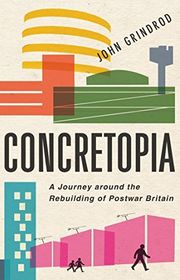
Concretopia
by John Grindrod
2013
Travelling through postwar Britain’s reconstructed towns and landmark buildings, Grindrod explores the ambitions behind its concrete landscape. Prefabs, tower blocks, shopping centres and new towns reveal the political choices and ordinary lives that shaped a rapidly changing country.
How to Love Brutalism
by John Grindrod
2018
Grindrod explores why brutalist buildings inspire both devotion and hostility, combining personal enthusiasm with architectural history. Short essays consider concrete, scale and human experience, following the movement from Britain to influential designs in India, Brazil and beyond.
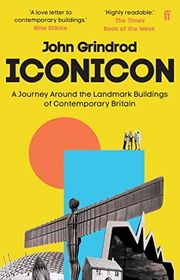
Iconicon
by John Grindrod
2022
Grindrod tours the buildings that have reshaped Britain since 1980, from business parks and shopping centres to skyscrapers and environmentally efficient homes. Their successes and failures reveal how changing ambitions, politics and everyday needs have altered the landscape.
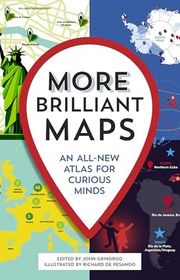
More Brilliant Maps
by John Grindrod
2026
One hundred maps reveal unexpected connections across geography, history, culture and everyday life. Topics range from touring musicians and noisy cities to shipwrecks and countries wider than the Moon, using visual comparisons to reconsider familiar assumptions about the world.
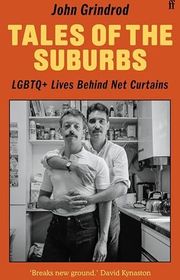
Tales of the Suburbs
by John Grindrod
2026
Drawing on archives and interviews, Grindrod traces LGBTQ+ lives in Britain’s suburbs and small towns. Stories of friendship, love, exclusion and community challenge the idea that queer history belongs only to cities, revealing ordinary places as sites of change.
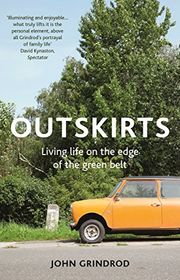
Outskirts
by John Grindrod
Exploring Britain’s green belts, Grindrod connects planning history with memories of growing up on a South London estate. Encounters with residents, campaigners and planners reveal landscapes shaped by preservation, development and the often hidden traces of earlier uses.
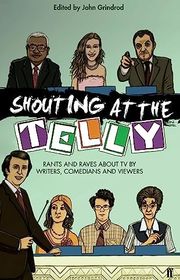
Shouting at the Telly
by John Grindrod
Writers, comedians and viewers share arguments, enthusiasms and embarrassing attachments to television. The collection ranges from soaps and sitcoms to news and reality shows, examining how programmes become part of personal memory and provoke enduring affection or irritation.
Where to start with John Grindrod
For postwar Britain and new towns: Concretopia
For the green belt and personal history: Outskirts
For an introduction to a divisive architectural style: How to Love Brutalism
For contemporary landmark buildings: Iconicon
For LGBTQ+ lives beyond city centers: Tales of the Suburbs
Standalone John Grindrod books
Author bio
John Grindrod writes social history through the places people live in, travel through and argue about. Housing estates, green belts, concrete buildings and suburbs become ways to ask how modern Britain took shape. His books combine journeys with an interest in the people who designed these environments and those who have made lives inside them.
Grindrod grew up on the New Addington housing estate in Croydon, close to the green belt. The mixture of urban, suburban and rural surroundings became a starting point for his work. It gives his histories a personal connection to places that can look ordinary to a visitor but hold complicated meanings for residents.
Concretopia begins with the rebuilding of postwar Britain.
The book explores the emergence of housing estates, new towns and transformed city centers. For readers wondering why so much of Britain looks the way it does, it provides a route through the decisions and ambitions behind that landscape. The buildings are evidence of ideas about how people might live, rather than objects separated from their social purpose.
Outskirts shifts attention toward the green belt. It combines the history of planning and preservation with memories of growing up near the boundary between development and countryside. A protected landscape can still have layers of human use and political argument within it. Read it for the connection between a national planning idea and the experience of living along its edge.
His books also ask why particular buildings inspire such strong feelings.
How to Love Brutalism is a compact introduction to an architectural style often defined in public debate by its concrete and scale. Iconicon turns toward the landmark buildings of more recent Britain, examining the encounter between heritage and technological change. Together they offer ways to think about what a building promises, whom it addresses and why admiration or dislike can become part of its identity.
Tales of the Suburbs approaches place through LGBTQ+ lives outside the usual focus on city centers. Grindrod used archive research at Bishopsgate Institute and interviews with dozens of people to assemble the book. The result connects suburban surroundings with experiences that familiar assumptions about those surroundings can conceal.
Grindrod moved from London to Milton Keynes, another city with a planning history of its own. His books don't require a reading sequence. Begin with Concretopia for postwar rebuilding, Outskirts for the meeting of town and countryside, or Tales of the Suburbs for lives behind familiar streets and front gardens. Each treats place as something made, inhabited and remembered.










Edited by
Software engineer whose passion for tracking book recommendations from podcasts inspired the creation of MRB.
Lead investor at 3one4 Capital whose startup expertise and love for books helped shape MRB and its growth.
Comments
Spotted a missing book, a wrong order or a mistake? Tell us and we'll fix this page.
We're a reading guide, not the author or publisher, so we can't send books or pass on messages.