
John Gardner Books in Order
Find John Gardner’s books in order, with series lists, summaries, background notes, and easy starting points for Bond, Boysie Oakes, and more.
Last updated:
As an Amazon Associate, we earn from qualifying purchases (at no extra cost to you).
John Gardner books in publication order
57 books
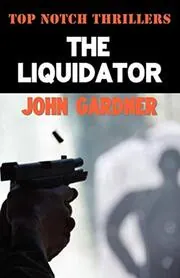
The Liquidator
by John Gardner
1964
Boysie Oakes is mistaken for a fearless wartime killer and recruited as a government assassin. Since he is actually a coward, he hires someone else to do the killing, until the scheme turns dangerous.
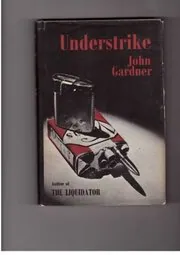
Understrike
by John Gardner
1965
Boysie Oakes goes to America as an observer for a missile test and stumbles into Operation Understrike. Doubles, Cold War bluffing, and a terrifying weapon leave him badly out of his depth.

Amber Nine
by John Gardner
1966
Boysie Oakes travels to Lake Maggiore to kill a parliament member, only to find the target already dead. A finishing school, Doctor Thirel, and the secret Amber Nine operation complicate everything.
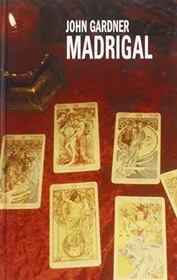
Madrigal
by John Gardner
1967
Boysie Oakes is sent over the Berlin Wall for an assassination he would rather avoid. With Soviet and Chinese interests circling the same target, his usual panic becomes a survival tool.
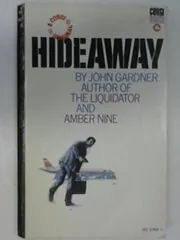
Hideaway
by John Gardner
1968
This collection gathers Gardner’s shorter suspense work, including Boysie Oakes stories. The pieces show his taste for spy games, comic danger, and sudden reversals in compact form.
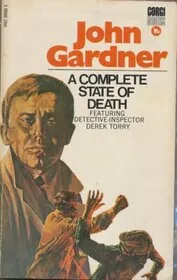
A Complete State of Death
by John Gardner
1969
Detective Inspector Derek Torry faces a sophisticated criminal organization, including a school for aspiring criminals. The case tests his temper, faith, and fierce hatred of organized violence.
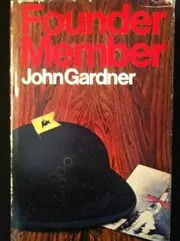
Founder Member
by John Gardner
1969
Boysie Oakes joins Mostyn and Charlie Griffin in a private security venture, then heads to America. A missing rocket, Wizard Island, and a new set of villains make retirement impossible.
Traitor's Exit
by John Gardner
1970
A struggling spy novelist is sent to interview a notorious defector, and Boysie Oakes is soon tangled in the mission. Russia, circus disguises, and Cold War confusion follow.
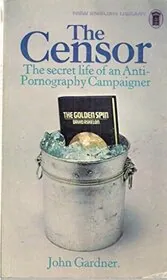
The Censor
by John Gardner
1972
American novelist David Askelon arrives in London after writing a huge bestseller about youth culture. Gardner uses the setup for a sharp story about publishing, censorship, permissiveness, and public panic.
Air Apparent
by John Gardner
1973
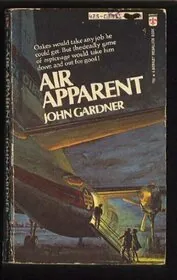
This alternate-title Boysie Oakes adventure sends the cowardly agent into the airline business. A budget carrier should be simple, but hijinks, spies, and danger quickly take over.
Every Night's a Bullfight
by John Gardner
1973
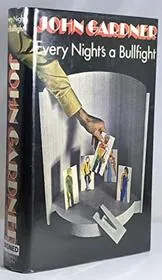
Douglas Silver takes charge of the tired Shireston Festival and tries to remake it through bold Shakespeare productions. Backstage egos, desire, and professional rivalry drive this theatre-world novel.

The Airline Pirates
by John Gardner
1973
At Mostyn’s urging, Boysie Oakes starts a low-cost airline, complete with glamorous hostesses and terrible timing. The business soon becomes cover for another round of spy chaos.
The Director
by John Gardner
1973
A reworking of Gardner’s theatre novel, this follows Douglas Silver as he revitalizes the Shireston Festival. Casting choices, personal entanglements, and Shakespearean ambition make opening night anything but smooth.
The Assassination File
by John Gardner
1974
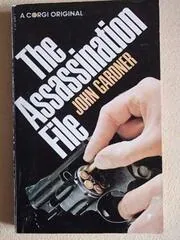
This Gardner collection includes Boysie Oakes stories and other sharp-edged espionage pieces. Assassination plots, professional paranoia, and dark comedy sit side by side.

The Return of Moriarty
by John Gardner
1974
Moriarty survives Reichenbach and plans to expand into America, only to learn that London rivals have seized his empire. The professor returns to reclaim his criminal throne.
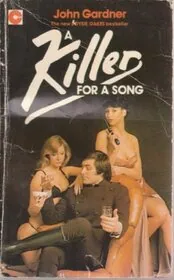
A Killer for a Song
by John Gardner
1975
Boysie Oakes is dragged back into anti-terror work and quickly finds himself framed. Chased by police, security services, and old enemies, the reluctant assassin has to stay alive long enough to understand the setup.
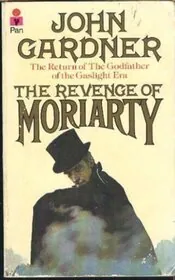
The Revenge of Moriarty
by John Gardner
1975
Moriarty works to bring rival international criminals back under control while Holmes remains a threat. Gardner turns the professor’s revenge into an underworld power struggle with disguises, plots, and old scores.
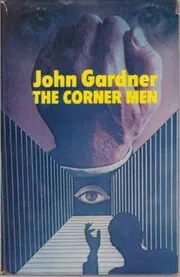
The Corner Men
by John Gardner
1976
Derek Torry returns to confront organized violence and the men who keep it running from the edges. Gardner’s police thriller follows crime as a system, not just a single act.
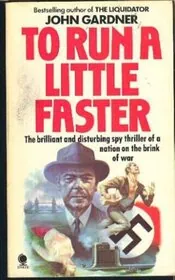
To Run a Little Faster
by John Gardner
1976
In this standalone suspense novel, Gardner drops ordinary people into the machinery of danger, pursuit, and hidden motive. The title says it plainly: survival depends on reacting before the trap closes.
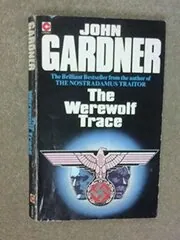
The Werewolf Trace
by John Gardner
1977
Gardner blends espionage, old wartime guilt, and a widening conspiracy in this standalone thriller. A hidden trail points toward buried identities and danger that has waited years to surface.
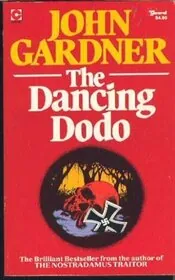
The Dancing Dodo
by John Gardner
1979
A World War II bomber is found in Romney Marsh, but records say it never vanished, and the identified crewmen are alive. Wing Commander David Dobson uncovers a mystery with deadly wartime roots.
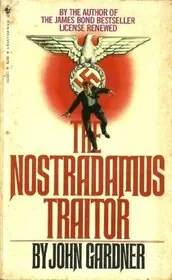
The Nostradamus Traitor
by John Gardner
1979
Herbie Kruger’s first case begins when a woman asks about her husband, executed as a wartime spy. The question opens onto former Nazis, Soviet penetration, and a dangerous old network.
Golgotha
by John Gardner
1980
In this near-future thriller, Soviet power has overrun much of Western Europe, including Britain. Reactivated moles and nuclear blackmail drive a dark, apocalyptic story of occupation and resistance.
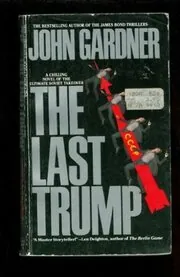
The Last Trump
by John Gardner
1980
This alternate-title edition of Golgotha imagines a Soviet-dominated Western Europe and a desperate blackmail plot. Gardner mixes spy craft, political nightmare, and end-times imagery.
%2C%20Book%202.jpg)
License Renewed
by John Gardner
1981
Gardner’s first Bond novel updates 007 for the 1980s. Bond infiltrates the circle of nuclear physicist Anton Murik, whose terrorist plan threatens power plants around the world.
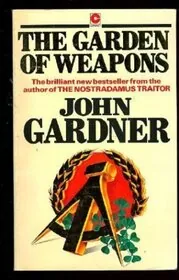
The Garden of Weapons
by John Gardner
1981
Herbie Kruger moves through a world of false fronts, old networks, and Cold War debts. The case tests his instincts in the gray space between British intelligence and buried German history.
%2C%20Book%203.jpg)
For Special Services
by John Gardner
1982
Bond teams with Cedar Leiter to investigate Markus Bismaquer, an ice-cream magnate suspected of reviving SPECTRE. The mission leads from Texas to a scheme aimed at NORAD.
%2C%20Book%204.jpg)
Icebreaker
by John Gardner
1983
Bond joins an uneasy team of CIA, KGB, and Mossad agents against a neo-Nazi terrorist network. In the Arctic cold, every alliance is useful, and none is safe.

On Becoming a Novelist
by John Gardner
1983
American writer John Gardner reflects on the temperament, discipline, fears, and practical life of the novelist. It is less a formula book than a candid guide to becoming the kind of person who writes.
%2C%20Book%205.jpg)
Role of Honor
by John Gardner
1984
Bond appears to leave the Service in disgrace, making himself bait for SPECTRE. His target is a computer-game entrepreneur whose simulations conceal a plot against the superpowers.
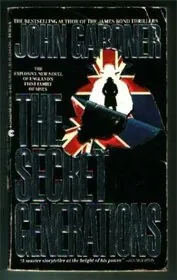
The Secret Generations
by John Gardner
1985
The Railton family saga begins with espionage as family inheritance. Gardner follows the making of a secret-service dynasty, where patriotism, ambition, and private betrayal are impossible to separate.
%2C%20Book%206.jpg)
Nobody Lives Forever
by John Gardner
1986
Tamil Rahani, the dying head of SPECTRE, puts a price on Bond’s head. As assassins close in across Europe and Florida, Bond’s housekeeper May and Miss Moneypenny are drawn into danger.
%2C%20Book%207.jpg)
No Deals, Mr. Bond
by John Gardner
1987
Years after a failed East German operation, surviving agents from a honey-trap mission are being murdered. Bond is sent to find who is cleaning up the past, and why.
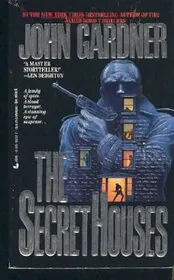
The Secret Houses
by John Gardner
1987
The Railton family’s intelligence legacy deepens as hidden houses, old files, and private rivalries expose the cost of living inside the secret world. Espionage becomes an inheritance.
%2C%20Book%208.jpg)
Scorpius
by John Gardner
1988
A death in London leads Bond to The Meek Ones, a cult run by the mysterious Father Valentine. Behind the sermons is arms dealer Vladimir Scorpius and a plan built on fanaticism.
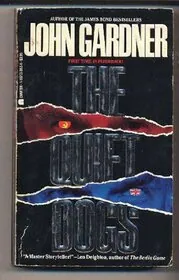
The Quiet Dogs
by John Gardner
1988
Herbie Kruger returns to the dangerous aftermath of old operations and buried Cold War betrayals. What looks like history is still active, and Herbie must sort loyalty from deception.
%2C%20Book%209.jpg)
Licence to Kill
by John Gardner
1989
Gardner novelizes the film in which Bond goes rogue after drug lord Franz Sanchez destroys Felix Leiter’s life. Stripped of official backing, 007 infiltrates Sanchez’s empire from the inside.
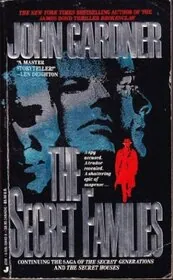
The Secret Families
by John Gardner
1989
The Railton espionage saga widens into family conflict, inherited secrets, and late Cold War danger. Gardner tracks how old intelligence work continues to shape the next generation.
%2C%20Book%2010.jpg)
Win, Lose or Die
by John Gardner
1989
Bond is assigned to protect a secret aircraft-carrier summit involving world leaders. A terrorist group called BAST plans to infiltrate the operation, turning a naval exercise into a hostage crisis.
%2C%20Book%2011.jpg)
Brokenclaw
by John Gardner
1990
Bond investigates Lee Fu-Chu, known as Brokenclaw, a San Francisco crime lord tied to stolen submarine technology. The case grows into a plan to crash the dollar and shake the world economy.
%2C%20Book%2012.jpg)
The Man from Barbarossa
by John Gardner
1991
An elderly American is kidnapped by Russian extremists who believe he is a war criminal. Bond works with Soviet and Israeli contacts as the case turns into a political trap.
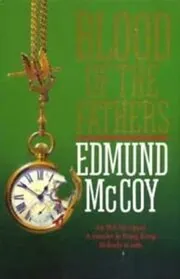
Blood of the Fathers
by John Gardner
1992
Gardner returns to family, faith, and espionage in a thriller where old loyalties keep shaping new dangers. Private history and public secrets collide as the past refuses to stay buried.
%2C%20Book%2013.jpg)
Death Is Forever
by John Gardner
1992
After the Cold War, members of a secret intelligence network called Cabal are being hunted. Bond and CIA agent Easy St John follow the killings toward a plot tied to the new Channel Tunnel.

Maestro
by John Gardner
1993
Herbie Kruger investigates a famous orchestra conductor suspected of wartime collaboration. When assassins enter the picture, spy craft and music-world elegance give way to old violence.
%2C%20Book%2014.jpg)
Never Send Flowers
by John Gardner
1993
Bond and Swiss investigator Flicka von Grüsse probe a string of murders marked by strange roses. The trail leads to retired actor David Dragonpol and a theatrical secret with deadly consequences.
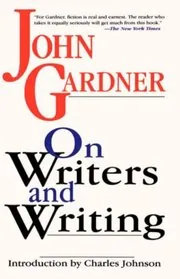
On Writers and Writing
by John Gardner
1994
This posthumous collection by the American John Gardner gathers essays and reviews on fiction, craft, and major modern writers. It is sharp, opinionated, and useful for readers interested in how novels work.
%2C%20Book%2015.jpg)
SeaFire
by John Gardner
1994
Bond and Flicka von Grüsse pursue Sir Maxwell Tarn, a billionaire arms dealer with grandiose fascist fantasies. The trail runs through Europe, Israel, and the Caribbean as Tarn’s SeaFire plan takes shape.
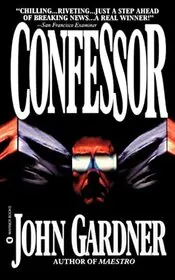
Confessor
by John Gardner
1995
Big Herbie Kruger is drawn out of retirement after the death of Gus Keene, a legendary British interrogator. The deeper Herbie digs, the more he sees that his old friend mastered concealment too.

GoldenEye
by John Gardner
1995
Gardner adapts the Bond film, sending 007 after the Janus crime syndicate and the stolen GoldenEye satellite weapon. The case becomes personal when Bond finds a former ally behind the threat.
%2C%20Book%2017.jpg)
Cold Fall
by John Gardner
1996
In Gardner’s final Bond novel, 007 follows a lethal trail toward COLD, a fanatical group called Children of the Last Days. The mission links personal danger, old enemies, and global threat.
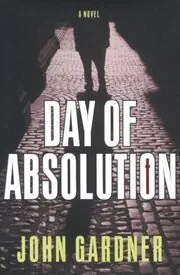
Day of Absolution
by John Gardner
2001
Retired lawyer Charlie Gauntlet worries as his new wife, an anti-terrorism detective, hunts an assassin called Alchemist. His own trip to a remote monastery uncovers secrets that may be just as dangerous.
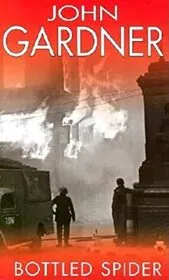
Bottled Spider
by John Gardner
2002
During the Blitz, young policewoman Suzie Mountford is promoted into CID and handed a terrifying serial murder case. Bombs fall, male colleagues doubt her, and the killer keeps moving.
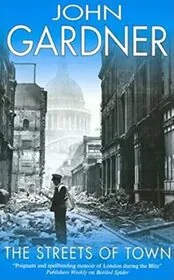
Streets of Town
by John Gardner
2003
London is still at war in 1941, and Suzie Mountford is back on a dangerous West End patch. Gangland pressure, police resentment, and a brutal new investigation test her nerve.
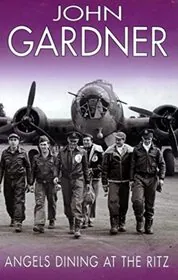
Angels Dining at the Ritz
by John Gardner
2004
In 1942, American forces are changing the rhythm of wartime England. When a barrister and his family are murdered, Suzie Mountford and Tommy Livermore follow the trail to a Norfolk village and nearby airfields.
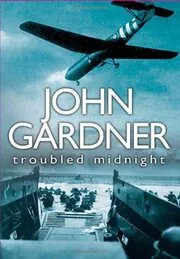
Troubled Midnight
by John Gardner
2005
Ten days before Christmas 1943, two battered bodies are found near Wantage. With Overlord secrets possibly at risk, Suzie Mountford and Tommy Livermore are pulled into a case where murder and espionage overlap.
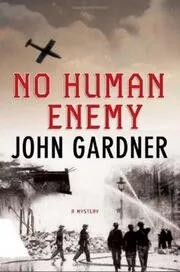
No Human Enemy
by John Gardner
2007
In June 1944, a V-1 bomb destroys a Camberwell convent, but Suzie Mountford and Tommy Livermore find murder hidden among the dead. The case points to a larger wartime conspiracy.
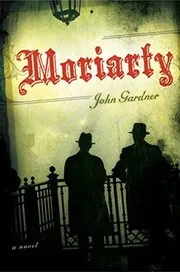
Moriarty
by John Gardner
2008
In Gardner’s posthumous Moriarty finale, the Napoleon of Crime must pull a damaged empire back together. Rivals, defectors, and a traitor inside his own ranks threaten the control he has spent a lifetime building.
Where to start with John Gardner
If you want the comic spy novels: The Liquidator → Understrike → Amber Nine → Madrigal.
If you came for James Bond: License Renewed → For Special Services → Icebreaker → Role of Honor.
If you like Cold War spy puzzles: The Nostradamus Traitor → The Garden of Weapons → The Quiet Dogs.
If you want wartime mysteries: Bottled Spider → Streets of Town → Angels Dining at the Ritz.
If you prefer Sherlock Holmes pastiche: The Return of Moriarty → The Revenge of Moriarty → Moriarty.
John Gardner sub-series and character series
Detective Sergeant Suzie Mountford books in order
Explore this seriesDetective Sergeant Suzie Mountford books in chronological order
James Bond (John Gardner) books in order
Explore this seriesJames Bond (John Gardner) books in chronological order
John Gardner collections, short stories, and related book types
Non-Fiction
Standalone John Gardner books
Author bio
John Gardner was born John Edmund Gardner on November 20, 1926, in Seaton Delaval, Northumberland. His father was an Anglican priest, and the family moved south to Wantage when Gardner was a boy. He grew up around church life, local school, wartime anxiety, and the sort of village detail that later gave even his wild spy plots a lived-in English texture.
He was drawn into war young. During the Second World War he joined the Home Guard while still a teenager, then served in the Fleet Air Arm and the Royal Marines. Gardner later joked that he was not exactly a natural commando, but the experience gave him a working feel for military habits, secret work, fear, and bluff.
Fear became useful material.
After the war he studied theology at St John’s College, Cambridge, and was ordained in the Church of England in 1953. The calling did not last. Gardner lost his faith, left the priesthood in 1958, and worked as a journalist and drama critic before turning his private troubles and sharp comic eye into books.
His first published book was Spin the Bottle, a frank account of alcoholism and recovery. In the same year, 1964, he published The Liquidator, introducing Boysie Oakes, a secret agent who looks like a ruthless professional but is really terrified of violence, flying, and exposure. The joke worked because Gardner could write the thriller machinery straight while quietly pulling it apart.
Then the books kept coming.
The Boysie Oakes novels, including Understrike, Amber Nine, and Madrigal, made Gardner a regular name in British spy fiction before James Bond entered the picture. He also created Scotland Yard’s Derek Torry, the Cold War intelligence man Herbie Kruger, and the Railton family espionage saga. These books often circle the same concerns: old wartime damage, secret loyalties, professional masks, and the ugly cost of state violence.
In 1981 Gardner was chosen to continue Ian Fleming’s James Bond novels. License Renewed brought Bond into the 1980s, and Gardner went on to write fourteen original Bond adventures, plus novelizations of Licence to Kill and GoldenEye. His Bond books range from nuclear terror and revived SPECTRE plots to post-Cold War stories where the old enemy lines are no longer clean.
Late in his career, after illness and a break from writing, Gardner returned with Day of Absolution and then the Detective Sergeant Suzie Mountford mysteries. These wartime police novels gave him a new central character, a young woman pushing into serious detective work while London lives under bombing, secrecy, and suspicion. He died in Basingstoke, Hampshire, on August 3, 2007, leaving behind a large, busy shelf of spy novels, crime stories, pastiches, and war-haunted thrillers.
Edited by
Software engineer whose passion for tracking book recommendations from podcasts inspired the creation of MRB.
Lead investor at 3one4 Capital whose startup expertise and love for books helped shape MRB and its growth.
Comments
Did we miss something? Have feedback?
Help us improve this page by sharing your thoughts