
John Galsworthy Books in Order
This page lists John Galsworthy books in order, with summaries, series background, and where to start with the Forsyte novels and plays.
Last updated:
As an Amazon Associate, we earn from qualifying purchases (at no extra cost to you).
John Galsworthy books in publication order
79 books
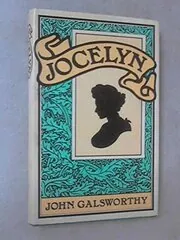
Jocelyn
by John Galsworthy
1898
Giles Legard, trapped in an unhappy emotional life beside his invalid wife, is drawn to the young Jocelyn on the Italian Riviera. Galsworthy’s first novel tests themes he would later revisit.
Salvation of a Forsyte
by John Galsworthy
1900
An early Forsyte story that points toward the family world Galsworthy would later expand. It studies age, memory, desire, and the small cracks beneath Forsyte respectability.

A Man of Devon
by John Galsworthy
1901
On a Devon farm, willful Patience Ford loves reckless Zachary Pearse despite family opposition and danger. The story mixes rural beauty with desire, accident, and hard consequence.
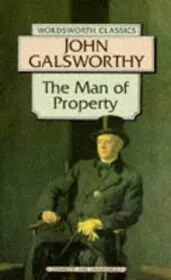
The Man of Property
by John Galsworthy
1906
Soames Forsyte sees Irene as the crown jewel of his ordered life, but she resists being owned. The novel opens the Forsyte saga with marriage, architecture, money, and rebellion.
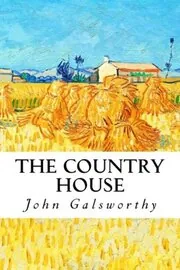
The Country House
by John Galsworthy
1907
At Worsted Skeynes, the Pendyce family’s country-house order is threatened by George’s attachment to the separated Helen Bellew. Galsworthy turns a hunting-party world into a study of pride and scandal.
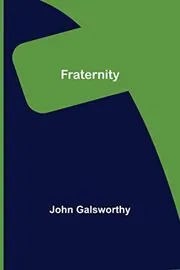
Fraternity
by John Galsworthy
1909
Hilary and Bianca Dallison’s comfortable world is unsettled by Ivy Barton, a young model from outside their class. The novel questions sympathy, jealousy, and the limits of polite social conscience.

Strife
by John Galsworthy
1909
A long strike pits workers against company directors while families suffer and leaders refuse to bend. The drama finds pressure on both sides, but never forgets the cost of pride.

The Silver Box
by John Galsworthy
1909
A missing cigarette box exposes the different standards applied to a wealthy politician’s son and an unemployed man. Galsworthy’s first major play makes class bias plain without needing to shout.
A Motley
by John Galsworthy
1910
This collection of stories, sketches, and short reflections shows Galsworthy moving between satire and social observation. It includes compact studies of manners, unease, and moments of unexpected feeling.

Justice
by John Galsworthy
1910
Clerk William Falder alters a cheque to help Ruth escape an abusive marriage, then is crushed by court, prison, and parole. The play is Galsworthy’s sharp attack on mechanical justice.

The Patrician
by John Galsworthy
1911
Lord Miltoun’s political future and private passion collide when he loves Audrey Noel, a woman separated from her husband. The novel studies aristocratic duty, desire, and public reputation.

Moods, Songs, and Doggerels
by John Galsworthy
1912
This poetry collection shows Galsworthy in a lighter and more experimental register than his novels or plays. The pieces range through moods, songs, comic verse, and personal observation.
Vague Thoughts On Art
by John Galsworthy
1912
A brief essay on art, taste, and the uneasy business of judging creative work. Galsworthy writes less as a critic than as an artist defending seriousness, freedom, and honest response.
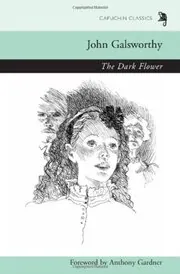
The Dark Flower
by John Galsworthy
1913
Sculptor Mark Lennan experiences three consuming loves at different stages of life. The novel follows passion from youth to maturity, asking what desire creates, damages, and leaves behind.

The Fugitive
by John Galsworthy
1913
Clare Dedmond leaves a failing marriage and finds that freedom can bring its own social punishment. The play follows a woman hunted less by law than by convention.

The Freelands
by John Galsworthy
1915
The Freeland family is drawn into rural unrest, class conflict, and young love in the English countryside. Galsworthy sets private romance against landownership, labor, and uneasy liberal sympathy.
Indian Summer of a Forsyte
by John Galsworthy
1918
Old Jolyon spends a late season at Robin Hill and forms a gentle bond with Irene. This Forsyte interlude gives the saga one of its quietest and most humane pauses.

The Apple Tree
by John Galsworthy
1918
A man’s return to Devon stirs memories of a youthful love and a choice he cannot undo. The story is one of Galsworthy’s most haunting pieces of romantic regret.

The Eldest Son and The Little Dream
by John Galsworthy
1919
This pairing shows two sides of Galsworthy’s drama: a realistic family crisis over class and responsibility, and an allegorical dream-play about youth, longing, and loss.

A Bit O' Love
by John Galsworthy
1920
Clergyman Michael Strangway faces village judgment when his private sorrow and forgiving nature collide with local ideas of right and wrong. The play is gentle, painful, and morally searching.
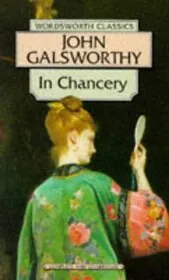
In Chancery
by John Galsworthy
1920
Irene and Soames remain legally bound while their lives move in different directions. This second Forsyte novel follows divorce, remarriage, inheritance, and the emotional cost of old possession.

Tatterdemalion
by John Galsworthy
1920
Written around the First World War, these stories and sketches look at soldiers, refugees, civilians, and damaged outsiders. Galsworthy’s sympathy is steady, but the mood is often bleak.

The Foundations
by John Galsworthy
1920
This postwar satirical play puts servants, soldiers, reformers, and the well-born under one roof. Galsworthy uses comic exaggeration to show an old social order starting to wobble.

The Plays of John Galsworthy
by John Galsworthy
1920
A broad collection of Galsworthy’s stage work, from social problem plays to family dramas and shorter satires. It highlights his interest in law, class, conscience, and public pressure.

The Skin Game
by John Galsworthy
1920
The old Hillcrist family clashes with the newly rich Hornblowers over land, class, and revenge. What begins as a property dispute turns into a moral fight with ugly weapons.
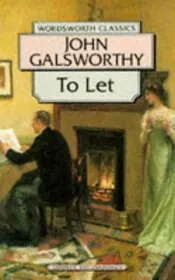
To Let
by John Galsworthy
1921
Fleur Forsyte and Jon, the children of Soames and Irene’s new lives, fall in love without knowing the family history between them. The past returns with painful force.
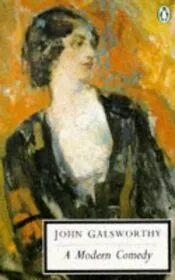
A Modern Comedy
by John Galsworthy
1922
This omnibus follows Fleur Forsyte Mont, her husband Michael, and the older Soames through the 1920s. It is the Forsyte sequel about modern manners, old wounds, and social performance.

Loyalties
by John Galsworthy
1922
When Ferdinand De Levis is robbed at a country house, suspicion falls on Captain Dancy and class loyalty closes ranks. The play exposes prejudice, honor codes, and social self-protection.

Windows
by John Galsworthy
1922
A liberal household tries to help Faith Bly, a young woman with a troubled past, and finds its ideals tested. The play asks what charity means when comfort meets damage.
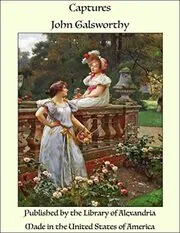
Captures
by John Galsworthy
1923
A short-story collection ranging across rural quarrels, social habits, conscience, money, and memory. Galsworthy’s title fits the method: each story catches people at a revealing moment.

Abracadabra and Other Satires
by John Galsworthy
1924
A collection of satirical stories and sketches about social habits, fashion, animals, self-deception, and modern busyness. Galsworthy uses humor to poke at very serious human evasions.
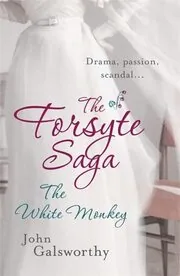
The White Monkey
by John Galsworthy
1924
Fleur and Michael Mont begin married life, but restlessness and Wilfrid Desert’s passion for Fleur unsettle the household. The first *A Modern Comedy* novel catches postwar society in a nervous mood.

Joy
by John Galsworthy
1925
Young Joy is forced to see the weakness and unhappiness of the adults around her. The play is a family drama about innocence, disillusionment, and the pain of growing up.

Old English
by John Galsworthy
1925
Sylvanus Heythorp, an aging shipbuilder facing ruin, fights disgrace with bluff, appetite, and stubborn will. The play mixes dark comedy with a fierce portrait of pride at the end.

The Show
by John Galsworthy
1925
A family tragedy becomes public spectacle when the press feeds on private pain. Galsworthy turns newspaper curiosity into a machine no single person seems willing to stop.
The Silver Spoon
by John Galsworthy
1926
Fleur Mont tries to build a brilliant London life while Michael enters politics and social rivalries sharpen around them. The novel turns drawing-room ambition into a sly study of class and vanity.

Beyond
by John Galsworthy
1927
Gyp Winton marries the unstable musician Fiorsen and finds herself pulled between passion, loyalty, and escape. The novel studies love as both liberation and danger.

The First and The Last
by John Galsworthy
1927
When Larry confesses to killing a man, his lawyer brother Keith urges silence as another suspect is accused. The story becomes a tight moral trap about guilt, law, and blood loyalty.
Swan Song
by John Galsworthy
1928
Fleur Mont’s settled life is shaken when Jon Forsyte returns during the General Strike. The final *A Modern Comedy* novel brings old longing, public unrest, and Soames’s last act into focus.
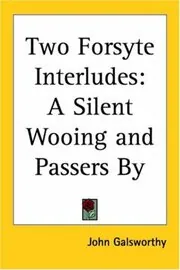
Two Forsyte Interludes
by John Galsworthy
1928
This volume brings together the shorter bridge pieces that deepen the Forsyte sequence. They offer intimate pauses between major novels, especially around Old Jolyon, Irene, and the next generation.

Exiled
by John Galsworthy
1929
A late play about displacement, loyalty, and the emotional cost of being cut off from home or honor. Galsworthy keeps the focus on people under social and private strain.
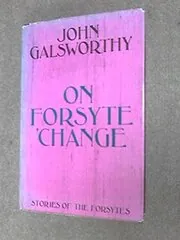
On Forsyte Change
by John Galsworthy
1930
These Forsyte stories fill in moments before and around the main saga, returning to familiar family habits, old grudges, and private memories. It is a quieter side door into the Forsyte world.

Uncollected Forsyte
by John Galsworthy
1930
This volume gathers Forsyte material outside the best-known sequence, offering extra glimpses of the family’s past, habits, and social world. It is best read after the main saga.
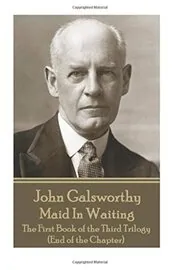
Maid in Waiting
by John Galsworthy
1931
Dinny Cherrell steps into family trouble when her brother Hubert faces public scrutiny after events abroad. The opening Cherrell novel blends loyalty, social pressure, and the first stirrings of a complicated romance.
The Inn of Tranquillity
by John Galsworthy
1931
This collection of studies and essays moves between art, censorship, drama, education, memory, and everyday life. It is a calm but searching look at the questions behind Galsworthy’s fiction.
Flowering Wilderness
by John Galsworthy
1932
Dinny Cherrell’s love for Wilfrid Desert is tested by his past, his beliefs, and the judgment of their social world. The middle Cherrell novel is tender, troubled, and quietly political.
One More River
by John Galsworthy
1933
In the final Cherrell novel, Clare’s broken marriage brings divorce, scandal, and public judgment into the family circle. Dinny stands close by as private misery becomes a social case.
Over the River
by John Galsworthy
1933
Also known as *One More River*, this concluding *End of the Chapter* novel follows Clare Cherrell through a painful marital crisis. Galsworthy studies divorce, reputation, and the limits of family protection.

The Silver Box and Other Plays
by John Galsworthy
1936
This collection gathers *The Silver Box* with other Galsworthy dramas of class, law, and social pressure. It is a strong entry point into his work for the stage.

Glimpses and Reflections
by John Galsworthy
1937
A posthumous collection of brief pieces and reflections, this volume catches Galsworthy in a thoughtful mood. It ranges across memory, art, daily life, and the moral habits of his age.
John Galsworthy's Letters to Leon Lion
by John Galsworthy
1968
These letters to actor and producer Leon Lion open a window on Galsworthy’s theatrical work, professional friendships, and practical concerns about performance, adaptation, and the stage.
Saints Progress
by John Galsworthy
1970
Widowed vicar Edward Pierson tries to hold to faith and family while the First World War changes the lives of his daughters. The novel weighs belief, grief, desire, and moral certainty.
Letters from John Galsworthy, 1900-1932
by John Galsworthy
1971
This correspondence traces Galsworthy’s working life, friendships, publishing concerns, and private loyalties across three decades. The letters offer a more personal view of the public writer.

Escape
by John Galsworthy
1977
Captain Matt Denant defends a vulnerable woman, accidentally kills a detective, and later escapes from Dartmoor. His flight becomes a moving tour through class, conscience, and public sympathy.

The Little Man
by John Galsworthy
1997
At an Austrian railway station, a timid little man cares for a poor woman’s baby while others look on. The farcical morality play turns small kindness into quiet heroism.

Five Tales
by John Galsworthy
1999
This collection includes major stories such as *The Apple Tree*, *The First and the Last*, and *Indian Summer of a Forsyte*. It is one of Galsworthy’s strongest short-fiction volumes.
A Sheaf
by John Galsworthy
2001
This essay collection brings together Galsworthy’s writing on animals, law, prisons, women’s position, and social unrest. It shows the reforming side of his mind in direct, public-facing form.

Candelabra
by John Galsworthy
2001
A later gathering of Galsworthy’s shorter nonfiction and reflective pieces, *Candelabra* offers essays, addresses, and observations on art, conduct, and the social questions that kept drawing his attention.

A Family Man
by John Galsworthy
2002
John Builder prides himself on authority, respectability, and family control, until his daughters challenge the household order. The play turns domestic rebellion into a brisk comedy of modern manners.
The Burning Spear
by John Galsworthy
2002
A satirical wartime novel about Mr. Lavender, a well-meaning idealist swept up by patriotic speeches and public causes. Galsworthy mixes comedy with unease about propaganda, zeal, and ordinary kindness.

The Foundations & A Bit of Love
by John Galsworthy
2002
These two plays pair postwar social satire with a village drama of forgiveness and judgment. Together they show Galsworthy balancing public issues with private moral pressure.

Villa Rubein
by John Galsworthy
2002
At an Austrian villa, young Christian is drawn to the passionate artist Harz, forcing class, family, and artistic ambition into conflict. The early novel is romantic and intense.
Addresses in America, 1919
by John Galsworthy
2004
These postwar addresses show Galsworthy speaking to American audiences about literature, public duty, and the responsibilities of writers. The tone is formal, thoughtful, and shaped by the aftermath of war.
Censorship And Art
by John Galsworthy
2004
Galsworthy argues for the artist’s freedom against official control and public timidity. The piece belongs with his wider concern for honesty, fairness, and the right to look directly at social problems.
Essays Concerning Letters
by John Galsworthy
2004
Galsworthy reflects on books, writers, drama, and the craft of literary judgment. The essays show him thinking as a working author, not just as the creator of the Forsytes.

Hall Marked A Satiric Trifle
by John Galsworthy
2004
This brief satirical piece turns a sharp eye on respectability, commerce, and moral labeling. Galsworthy uses a light dramatic frame to expose how society stamps value on people.
Memories
by John Galsworthy
2004
A reflective volume of personal pieces and recollections, *Memories* looks back through people, places, moods, and moments that shaped Galsworthy’s imagination. It is quiet, observant, and often gently nostalgic.

Punch and Go
by John Galsworthy
2004
A short satirical play from Galsworthy’s later stage work, *Punch and Go* catches public argument, performance, and social conflict in a compact dramatic form.

The Collected Poems of John Galsworthy
by John Galsworthy
2004
This volume gathers Galsworthy’s poetry, including reflective, occasional, and lyrical pieces. It gives readers a different angle on a writer better known for fiction, drama, and essays.

The Eldest Son
by John Galsworthy
2004
Bill Chesney’s relationship with Freda, a young woman beneath his family’s class, threatens the household’s plans for him. The play examines sexual double standards and family pride.

The Little Dream
by John Galsworthy
2004
A short allegorical play shaped like a mountain vision, *The Little Dream* follows a young woman’s encounter with temptation, freedom, and loss in a deliberately fable-like form.

Complete Plays of John Galsworthy; Volume 1
by John Galsworthy
2006
The first volume of Galsworthy’s complete plays collects early and central dramas of class, law, marriage, and public duty. It is a substantial guide to his theatrical concerns.

Complete Plays of John Galsworthy; Volume 2
by John Galsworthy
2006
The second volume continues Galsworthy’s dramatic work, including later plays and shorter pieces. The collection shows his range from social realism to satire, allegory, and moral debate.
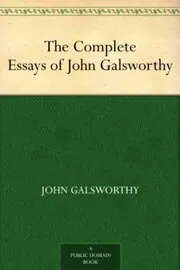
The Complete Essays of John Galsworthy
by John Galsworthy
2012
This collection gathers Galsworthy’s essays on literature, society, justice, animals, art, and public life. It is a useful companion for readers who want the ideas behind the novels and plays.
A Justification of the Censorship of Plays
by John Galsworthy
2013
This short nonfiction piece takes on stage censorship and the uneasy line between public morals and artistic freedom. Galsworthy uses clear argument and irony to question who should decide what audiences may see.

A Knight
by John Galsworthy
2015
This short story sketches a flawed man who still carries a stubborn code of feeling and loyalty. Galsworthy tests the gap between romantic ideals and rough human behavior.

The Mob
by John Galsworthy
2016
Politician Stephen More speaks against a popular war and watches support collapse around him. The play studies courage, patriotism, public anger, and the loneliness of dissent.
Man Of Property
by John Galsworthy
2018
Soames Forsyte prizes ownership, order, and his beautiful wife Irene, but Irene refuses to be possessed. The first Forsyte novel turns a family house, a marriage, and a love affair into a study of power.

From The Four Winds
by John Galsworthy
2022
Galsworthy’s first story collection ranges through travel, empire, risk, and moral testing. Published under his early pen name, it shows a young writer trying out voices and situations.
Where to start with John Galsworthy
For the main Forsyte arc: The Man of Property → In Chancery → To Let.
For the later Forsyte generation: The White Monkey → The Silver Spoon → Swan Song.
For the Cherrell family and 1930s England: Maid in Waiting → Flowering Wilderness → One More River.
For standalone social drama: The Silver Box → Strife → Justice → The Skin Game.
John Galsworthy sub-series and character series
John Galsworthy collections, short stories, and related book types
Plays
Collections
Non-Fiction
Standalone John Galsworthy books
Author bio
John Galsworthy was born on August 14, 1867, at Kingston Hill in Surrey, into a prosperous English family. He grew up in the world he later studied so closely: comfortable houses, family expectations, business habits, and the quiet pressure to behave properly.
He was educated at Harrow and New College, Oxford, then trained for the law. He was called to the bar in 1890, but the work did not take hold of him. Instead, he traveled for the family shipping interests, and on one of those journeys he met Joseph Conrad, then serving at sea. The friendship mattered. It gave Galsworthy a serious model of what a writing life could look like.
He did not begin as a public name.
His early books appeared under the pen name John Sinjohn, partly because he wanted to keep his writing separate from family life. From the Four Winds came first in 1897, followed by Jocelyn and Villa Rubein. He later looked back on some of this work as practice, but practice was useful. He was learning how to build scenes around pressure, silence, and small acts of self-deception.
A turning point came in the first decade of the new century. Galsworthy married Ada Pearson Cooper in 1905 after a long and difficult relationship that had begun while she was still married to his cousin. The emotional facts of that situation fed into his fiction, especially the marriage story of Soames and Irene Forsyte.
Then 1906 changed everything.
That year brought The Man of Property, the first major Forsyte novel, and The Silver Box, his first staged play. The two sides of his career were suddenly visible. In fiction, he watched a wealthy family confuse love with ownership. On stage, he put social systems under pressure, often through ordinary people caught in unfair rules.
Readers still come to him first through The Forsyte Saga, with In Chancery and To Let carrying the family story into the next generation. Later, A Modern Comedy and End of the Chapter widened the same world through Fleur Mont, Michael Mont, Dinny Cherrell, and the social changes after the First World War. His plays, including Strife, Justice, The Skin Game, Loyalties, and Escape, show another side of the same mind: class, law, work, marriage, prison, prejudice, and public opinion.
He cared about causes, too. Galsworthy wrote and spoke for prison reform, women’s rights, animal welfare, and freedom from censorship. He helped found PEN and served as its first president for the rest of his life. In 1932 he received the Nobel Prize in Literature, though illness kept him from attending the ceremony.
His last years were divided between Hampstead and Bury in West Sussex, with Ada close by and his work still circling the moral weather of English society. He died in Hampstead on January 31, 1933, leaving behind novels, plays, essays, poems, and one very persistent family named Forsyte.
Edited by
Software engineer whose passion for tracking book recommendations from podcasts inspired the creation of MRB.
Lead investor at 3one4 Capital whose startup expertise and love for books helped shape MRB and its growth.
Comments
Did we miss something? Have feedback?
Help us improve this page by sharing your thoughts