
John Cheever Books in Order
Explore John Cheever’s books in order, from the Wapshot novels to the classic stories, with short summaries, series background, reading order, and where to start.
Last updated:
As an Amazon Associate, we earn from qualifying purchases (at no extra cost to you).
John Cheever books in publication order
29 books

The Way Some People Live
by John Cheever
1943
Cheever’s first collection gathers early stories about young strivers, marriages, disappointments, and city life. You can already hear the sharp eye and quiet unease that would define his later work.

The Enormous Radio
by John Cheever
1953
Jim and Irene Westcott buy a radio that suddenly broadcasts the intimate quarrels and secrets of their neighbors. The miracle feels thrilling at first, then poisonous, as the couple’s own carefully managed life begins to crack.
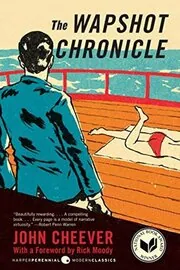
The Wapshot Chronicle
by John Cheever
1957
Set in the fading Massachusetts town of St. Botolphs, this novel follows the eccentric Wapshot family, especially Leander and his sons Moses and Coverly. It is comic, wistful, and deeply alert to the clash between old New England and modern life.
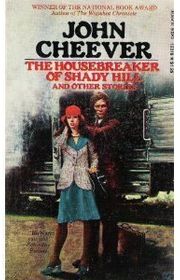
The Housebreaker Of Shady Hill
by John Cheever
1958
When Johnny Hake loses his easy suburban footing, he begins sneaking into neighbors’ houses to steal cash. Cheever turns a desperate crime into a sharp, painful study of status, shame, and middle-class panic.
Some People, Places, And Things That Will Not Appear In My Next Novel
by John Cheever
1961
This sharp, uneasy collection follows men and women whose marriages, ambitions, and social masks are starting to crack. The stories feel more bitter and experimental than Cheever’s earlier suburban pieces, without losing his eye for human folly.
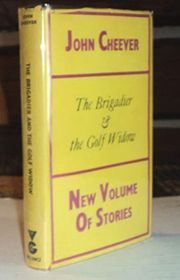
The Brigadier and the Golf Widow
by John Cheever
1964
This collection brings together some of Cheever’s best-known midcareer stories, including The Swimmer and The Angel of the Bridge. Country clubs, vacations, marriages, and moments of panic all get his usual mix of elegance and menace.

The Swimmer
by John Cheever
1964
Neddy Merrill decides to swim home by crossing every backyard pool in his wealthy suburb. What starts as a joke turns uncanny and devastating as the day, and Neddy’s life, begin to come apart.
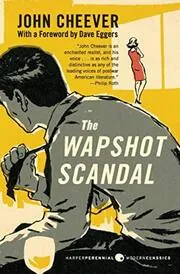
The Wapshot Scandal
by John Cheever
1964
Cheever’s sequel follows the Wapshots after they leave St. Botolphs and try to make adult lives in a faster, stranger America. Marriage, money, sex, and modern anxiety keep upsetting the family’s hopes for order.
Bullet Park
by John Cheever
1967
In an affluent suburb, seemingly steady family man Eliot Nailles crosses paths with the deeply disturbed Paul Hammer. What begins as domestic satire turns into a dark, unnerving novel about comfort, emptiness, and violence.
The World of Apples
by John Cheever
1973
This late story collection moves from suburbs to Italy and beyond, following poets, husbands, drifters, and dreamers whose tidy lives keep slipping off course. It is funny, melancholy, and more openly strange than Cheever’s earlier books.
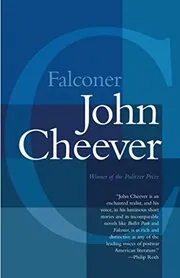
Falconer
by John Cheever
1977
Ezekiel Farragut, a professor and drug addict serving time for killing his brother, enters the brutal world of Falconer prison. Cheever turns confinement into a searching novel about guilt, desire, survival, and the faint possibility of freedom.
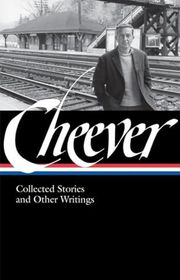
Collected Stories and Other Writings
by John Cheever
1978
This large volume combines The Stories of John Cheever with restored early pieces, uncollected stories, and a handful of essays. It is the broadest single look at his short fiction and how it developed over time.
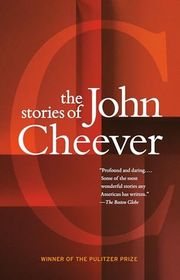
The Stories of John Cheever
by John Cheever
1978
This Pulitzer-winning collection gathers the stories that made Cheever’s name, from city apartments to Westchester lawns and Italian hillsides. Across dozens of pieces, ordinary comfort gives way to loneliness, absurdity, desire, and sudden grace.
The Leaves, The Lion Fish, and The Bear
by John Cheever
1980
This late standalone story follows a holiday world where beauty, desire, and dread keep brushing against one another. Sunlit beaches, bars, and uneasy marriages give the piece its bright surface and deeper confusion.
Oh What a Paradise It Seems
by John Cheever
1982
In his final novella, aging executive Lemuel Sears falls in love and joins a fight to save a polluted lake. The book mixes late-life desire, local politics, and a wistful sense that paradise is always fragile.
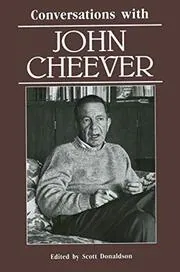
Conversations with John Cheever
by John Cheever
1988
This interview collection lets Cheever speak for himself about fiction, suburbia, marriage, religion, drinking, and the craft of writing. The early pieces are guarded, the later ones are looser, warmer, and more candid.
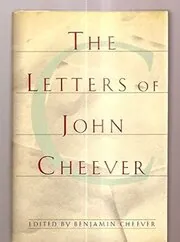
The Letters of John Cheever
by John Cheever
1988
Cheever’s letters to family, friends, editors, and fellow writers reveal the public and private man at once. Funny, irritable, affectionate, and guarded by turns, they chart a literary life in real time.
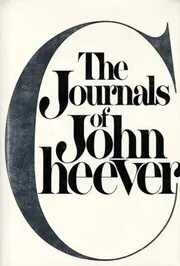
The Journals of John Cheever
by John Cheever
1990
Selected from decades of private notebooks, these journals trace Cheever’s writing life alongside his marriage, desires, drinking, and late sobriety. They read like a second autobiography, candid, restless, and often startlingly beautiful.
The Uncollected Stories Of John Cheever, 1930 1981
by John Cheever
1990
This title points to Cheever’s previously uncollected fiction, bringing together stories outside the standard collections from 1930 to 1981. For devoted readers, it offers a wider, rougher view of the work left at the edges of the canon.
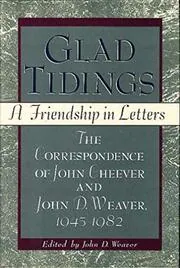
Glad Tidings
by John Cheever
1993
This correspondence with John D. Weaver follows four decades of friendship, work, family life, and drinking. The letters show Cheever as witty, frustrated, generous, and painfully self-aware as his career rises and his private troubles deepen.
Listening for God, Vol. 3
by John Updike, Tillie Olsen, Wendell Berry, John Cheever, Louise Erdrich, Mary Gordon, Tess Gallagher, Reynolds Price, Oscar Hijuelos, Paula J. Carlson & Peter S. Hawkins
2000
Coedited by Paula J. Carlson and Peter S. Hawkins, this reader uses selected American literature to support small-group exploration of Christian faith. Readings by writers including Louise Erdrich, John Cheever, and Tillie Olsen invite discussion of discipleship and theology.
Angel of Bridge
by John Cheever
2001
A seemingly ordinary man develops a crippling fear of bridges after hidden anxieties surface all around him. One strange ride with a young folk singer turns the story eerie, funny, and unexpectedly comforting.
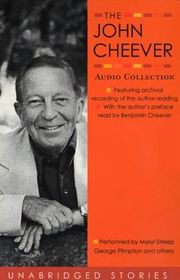
The John Cheever Audio Collection
by John Cheever
2003
Twelve Cheever stories are performed here by a strong cast, with the author himself reading several pieces. It works as both an introduction to the fiction and a rare chance to hear Cheever’s own voice shape it.
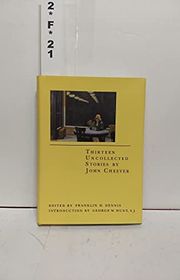
Thirteen Uncollected Stories
by John Cheever
2005
This slim posthumous volume gathers thirteen early and previously uncollected stories, many written before Cheever fully became himself on the page. It is most valuable as a look at his apprenticeship, with flashes of the later master already visible.

Vintage Cheever
by John Cheever
2005
This sampler offers an accessible introduction to Cheever, pairing essential stories with selections from the novels. It is a good doorway into his world of suburbs, desire, embarrassment, and sudden moments of wonder.

Fall River and Other Uncollected Stories
by John Cheever
2009
Another posthumous selection of previously uncollected work, this volume brings together stories that show Cheever trying out voices, settings, and moods across the early decades of his career. Uneven by design, it still offers real surprises.

The Collected Works
by John Cheever
2012
This two-volume set brings together Cheever’s complete novels alongside a wide-ranging collection of stories and other prose. For readers who want the whole arc, it is the most comprehensive single edition of his work.

Drinking
by John Cheever
2017
This short themed selection gathers Cheever pieces haunted by cocktails, bars, hangovers, and the rituals of polite drinking. It works as both an introduction to his fiction and a sharp look at one of his lifelong subjects.
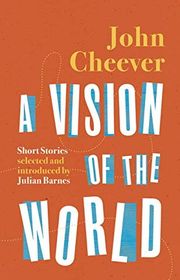
A Vision of the World
by John Cheever
2021
Selected and introduced for new readers, this volume offers a leaner route into Cheever’s short fiction. The stories move from suburban comedy to dreamlike unease, showing how quickly an ordinary day can tip into mystery.
Where to start with John Cheever
If you want the essential short fiction: The Stories of John Cheever → The Swimmer
If you want an easier first taste: Vintage Cheever → A Vision of the World
If you want the big family saga: The Wapshot Chronicle → The Wapshot Scandal
If you want the darker novels: Bullet Park → Falconer
If you want the man behind the fiction: The Journals of John Cheever → The Letters of John Cheever
John Cheever sub-series and character series
John Cheever collections, short stories, and related book types
Collections
Non-Fiction
Standalone John Cheever books




by John Updike, Tillie Olsen, Wendell Berry, John Cheever, Louise Erdrich, Mary Gordon, Tess Gallagher, Reynolds Price, Oscar Hijuelos, Paula J. Carlson & Peter S. Hawkins
2000
Author bio
John Cheever was born in Quincy, Massachusetts, on May 27, 1912, and he grew up in a household that knew both comfort and strain. New England, especially its small towns, old families, and codes of behavior, stayed with him for the rest of his life and became the weather system of much of his fiction.
School went badly, but writing stuck.
After leaving Thayer Academy as a teenager, Cheever turned frustration into print with “Expelled,” a piece published when he was still very young. In the 1930s he moved through New York literary life, spent important time at the artists’ colony Yaddo, and began publishing stories in The New Yorker, the magazine most closely tied to his career. Over the years, he published more than a hundred stories there.
He married Mary Winternitz in 1941, and they had three children, Benjamin, Susan, and Federico. During the Second World War he served in the Army Signal Corps. After the war he lived in Manhattan and later in the suburbs of Westchester County, settings he would use so memorably that many readers now picture Cheever the moment they picture commuter trains, lawns, cocktails, and uneasily happy families.
That image was only part of the story.
Cheever first became famous for short fiction, especially the work later gathered in The Enormous Radio, The Housebreaker of Shady Hill, and, most fully, The Stories of John Cheever. Readers return to these books because they feel exact and alive, but they also slip unexpectedly into the strange. A marriage sours in one sentence. A familiar neighborhood starts to feel haunted. A joke can turn sad before you quite see it happening.
He was just as strong when he went longer. The Wapshot Chronicle brought his comic New England family saga into full view and won the National Book Award. Later books such as Bullet Park and Falconer pushed into darker territory, from suburban dread to prison life, while Oh What a Paradise It Seems showed how tender and funny he could still be late in life. His most famous single story is probably The Swimmer, which begins with a rich suburban man deciding to swim home through a chain of backyard pools and ends somewhere far stranger.
Again and again, Cheever wrote about people who look settled from the outside but are anything but settled within. His characters commute, drink, flirt, panic, lie, remember, and long for a cleaner version of themselves. Manhattan apartments, Westchester houses, old New England villages, Italian landscapes, country clubs, and bars all become places where class, desire, shame, and hope rub against each other.
His private life was rougher than the polished public image. He struggled for years with alcoholism, and the candor of his later journals and letters showed how much pressure he lived under, around sex, marriage, money, ambition, and the need to keep writing. In 1975 he stopped drinking, and that late sobriety gave him a burst of energy and clarity.
Cheever spent his later years in Ossining, New York, and died of cancer on June 18, 1982. A few years earlier, The Stories of John Cheever had won the Pulitzer Prize and the National Book Critics Circle Award, and it remains one of the clearest places to see what made him matter. He could make a living room, a station platform, or a backyard pool feel as charged as a battlefield.






Edited by
Software engineer whose passion for tracking book recommendations from podcasts inspired the creation of MRB.
Lead investor at 3one4 Capital whose startup expertise and love for books helped shape MRB and its growth.
Comments
Did we miss something? Have feedback?
Help us improve this page by sharing your thoughts