
John Buchan Books in Order
Explore John Buchan books in order, with short summaries, series guides for Richard Hannay and more, plus clear advice on where to start reading.
Last updated:
As an Amazon Associate, we earn from qualifying purchases (at no extra cost to you).
John Buchan books in publication order
83 books
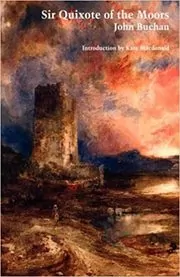
Sir Quixote of the Moors
by John Buchan
1895
Buchan's first novel, set in Covenanting Scotland, follows a young dreamer whose ideals collide with a hard world. Even early on, his love of landscape and action is obvious.
Musa Piscatrix
by John Buchan
1896
An anthology of angling writing edited by Buchan, full of fishing lore, reflections, and literary pleasures. It fits his lifelong love of rivers and outdoor life.
Scholar Gipsies
by John Buchan
1896
An early collection of essays and sketches from Buchan's student years, full of reading, walking, and reflections on landscape. It shows the young writer finding his voice.
Sir Walter Raleigh
by John Buchan
1897
Buchan's early study of Sir Walter Raleigh gives a brisk portrait of the courtier, sailor, and adventurer. It is short, vivid, and shaped by Buchan's taste for action and character.
John Burnet of Barns
by John Buchan
1898
Set in late seventeenth-century Scotland, this historical novel follows John Burnet from boyhood into danger, politics, and divided loyalties. It has fishing, feuds, and a strong sense of place.
A Lost Lady of Old Years
by John Buchan
1899
During the Jacobite rising of 1745, young Francis Birkenshaw is pulled into a world of rebellion, loyalty, and romantic risk. Buchan mixes political danger with a coming-of-age story.
Grey Weather
by John Buchan
1899
This early volume gathers poems and stories rooted in the Scottish moors. The mood shifts between wistful, eerie, and quietly humorous, with weather and landscape doing much of the work.
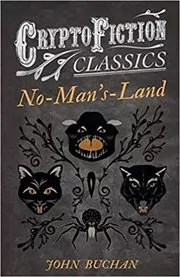
No-Man's-Land
by John Buchan
1899
One of Buchan's strangest short works, this tale moves into eerie ground where old beliefs and unseen forces seem frighteningly real. It is brief, unsettling, and hard to forget.
The Half-Hearted
by John Buchan
1900
Lewis Haystoun drifts through love and social expectation in Scotland before duty drives him toward danger in India. It is part society novel, part frontier adventure.
The Watcher By the Threshold
by John Buchan
1902
A collection of eerie tales, many set in the Scottish Borders, where old fears and strange presences feel close at hand. This is Buchan's darker, more supernatural side.
A Lodge in the Wilderness
by John Buchan
1906
Part novel and part debate, this book imagines a country-house gathering where guests argue over empire, politics, and public life. It is more about ideas than chase scenes.
Some Eighteenth Century Byways
by John Buchan
1908
A set of historical essays on lesser-known corners of the eighteenth century. Buchan turns side roads of British history into lively portraits of people, places, and ideas.
Prester John
by John Buchan
1910
A young Scotsman in South Africa uncovers a secretive rebellion tied to prophecy, treasure, and charismatic leadership. It is one of Buchan's major early adventure novels.
Sir Walter Scott
by John Buchan
1911
This biography looks at Scott as both man and writer, placing the novels inside the life that produced them. Buchan writes with sympathy, speed, and a strong feel for Scottish history.
The Moon Endureth
by John Buchan
1912
A mixed collection of stories and poems, often leaning toward the mysterious or uncanny. It shows Buchan moving easily between folklore, fantasy, and reflective verse.
Andrew Jameson, Lord Ardwall
by John Buchan
1913
A memorial portrait of the Scottish lawyer and judge Lord Ardwall. Buchan sketches both the public figure and the private man with warmth and restraint.
Salute to Adventurers
by John Buchan
1915
Set in the late seventeenth century, this historical adventure sends Andrew Garvald from Scotland into a larger world of danger, politics, and ambition. It has the sweep of a border ballad.
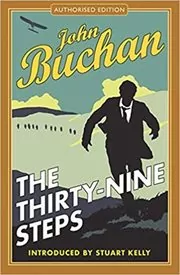
The Thirty-Nine Steps
by John Buchan
1915
Back in London and bored with peace, Richard Hannay is framed for murder after a spy reveals a deadly plot. He flees across Scotland, racing both the police and enemy agents.
What I Saw In California
by John Buchan
1915
A short book of travel impressions, observations, and character sketches from Buchan's visit to California. It reads as a curious outsider's notebook.
Greenmantle
by John Buchan
1916
Richard Hannay crosses wartime Europe to stop a German plot that aims to turn religious prophecy into a weapon. It is a larger, stranger sequel with disguises, pursuit, and high imperial stakes.
Recommended by
1 person Christopher Hitchens recommended this book
Christopher Hitchens
Christopher Hitchens mentioned this as one of his favorite books in a C-SPAN interview in 2007.
Christopher Hitchens's recommendation of this book
The Power-House
by John Buchan
1916
Lawyer and MP Edward Leithen stumbles onto a hidden conspiracy that seems to threaten the whole fabric of civilized life. This is Buchan at his most taut and ominous.
History of the Battle of the Somme 1916
by John Buchan
1917
Buchan's account of the Somme explains the campaign in clear, steady prose shaped by wartime immediacy. It mixes military overview with the scale of the human cost.
Mr. Standfast
by John Buchan
1919
Hannay goes undercover during the First World War to track a German network working through pacifist circles. The result is part spy hunt, part road story, part wartime adventure.
These for Remembrance
by John Buchan
1919
A commemorative volume shaped by the memory of war and the people lost to it. The tone is formal but heartfelt, with remembrance at the center.
Francis and Riversdale Grenfell
by John Buchan
1920
A memoir of the Grenfell brothers, written with admiration and grief after the First World War. Buchan uses their lives to think about courage, duty, and loss.
A History of the Great War
by John Buchan
1922
This broad history of the First World War gives readers a sweeping narrative of the conflict. Buchan writes with clarity, pace, and a strong sense of military movement.
Huntingtower
by John Buchan
1922
Retired grocer Dickson McCunn sets out for a quiet walking holiday and ends up helping rescue a Russian princess in rural Scotland. It is warm, funny, and full of sudden adventure.
Days to Remember
by John Buchan
1923
This volume gathers recollections and essays about memorable people, places, and moments. It is a book of looking back, with Buchan balancing public history and personal memory.
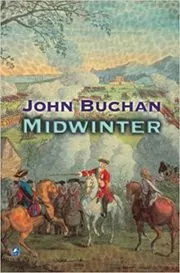
Midwinter
by John Buchan
1923
In old England on the edge of the 1745 rising, a young traveler is drawn into Jacobite intrigue and a hidden network of allies. It is fast-moving historical fiction with secret roads and divided loyalties.
The Last Secrets
by John Buchan
1923
A reflective collection of essays on belief, character, public life, and the things people keep hidden from themselves. It shows Buchan in a quieter, more meditative mood.
John MacNab
by John Buchan
1924
Three successful but restless men invent the outlaw John MacNab and challenge Highland estates by poaching salmon, deer, and grouse. The prank becomes a wonderfully complicated adventure.
Lord Minto
by John Buchan
1924
Buchan's memoir of Lord Minto follows the statesman through imperial service and public duty. It is as much a portrait of character as a record of office.
The Three Hostages
by John Buchan
1924
Richard Hannay is pulled back into action when three young people are kidnapped by a criminal mastermind who uses psychology and hypnotic control. The chase moves through country houses, cities, and underworld networks.

A Book of Escapes and Hurried Journeys
by John Buchan
1925
These essays and sketches celebrate flight, travel, and the sudden widening of the world. It is Buchan in restless, roaming mode.
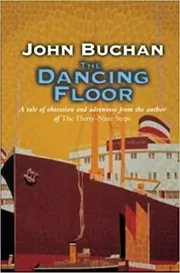
The Dancing Floor
by John Buchan
1926
Edward Leithen follows a younger friend into a strange Greek mystery shaped by dreams, pagan ritual, and danger. This one blends adventure with an atmosphere of myth and dread.
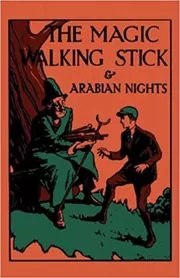
The Magic Walking Stick
by John Buchan
1927
Schoolboy Bill buys a strange walking stick for a farthing and discovers it can carry him anywhere he wishes. Buchan turns a simple magical premise into a lively children's adventure.
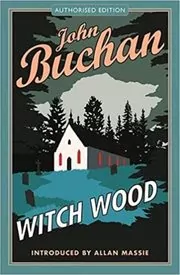
Witch Wood
by John Buchan
1927
A young minister arrives in a seventeenth-century Borders parish and finds fanaticism, fear, and whispers of witchcraft. It is one of Buchan's richest historical novels.
Montrose
by John Buchan
1928
Buchan's biography of the Marquis of Montrose is a vivid account of the soldier, royalist, and Scottish legend. The book moves quickly but keeps a strong grip on the history.
The Runagates Club
by John Buchan
1928
A storytelling club provides the frame for tales of coincidence, danger, mystery, and the supernatural. It is a good place to sample Buchan in shorter form.
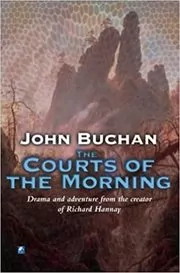
The Courts Of The Morning
by John Buchan
1929
Sandy Arbuthnot takes center stage in a high-stakes adventure set around revolution and power in a fictional South American republic. It widens the Hannay world beyond the usual chase.
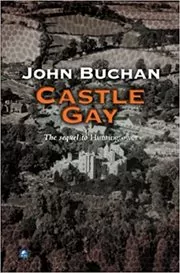
Castle Gay
by John Buchan
1930
Dickson McCunn's circle gets mixed up in the troubles of exiles and would-be rulers from Evallonia, while Scotland remains their base. It is a sequel with more politics, more friends, and the same generous spirit.
The Kirk in Scotland
by John Buchan
1930
A clear historical survey of the Scottish church from the Reformation to the modern period. Buchan writes as someone who knows the history from the inside.
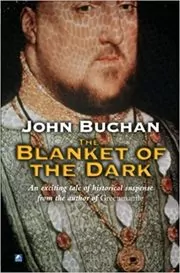
The Blanket Of The Dark
by John Buchan
1931
In Henry VIII's England, scholar Peter Pentecost learns he may have a claim to the throne. Buchan turns that premise into a thoughtful historical what-if with real tension.
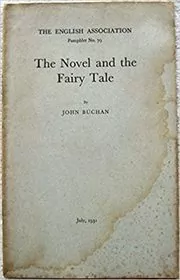
The Novel and the Fairy Tale
by John Buchan
1931
In this literary essay, Buchan thinks about how fiction borrows from myth, wonder, and old story patterns. It is brief but revealing about his own imaginative world.
Julius Caesar
by John Buchan
1932
A concise life of Caesar, written with an eye for political skill, ambition, and military force. Buchan keeps the scale large without losing the man at the center.
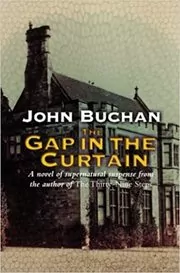
The Gap In The Curtain
by John Buchan
1932
At a country-house experiment, several people are given a glimpse of a newspaper page one year in the future. Knowing what may come begins to reshape all their lives.
The Strange Adventures of Mr Andrew Hawthorn
by John Buchan
1932
This collection of strange tales brings together disappearances, temptations, unsettling discoveries, and sudden shifts in reality. It shows how good Buchan was at making the ordinary turn uncanny.
A Prince of the Captivity
by John Buchan
1933
Adam Melfort takes the blame for another's crime, loses his place in the world, and rebuilds himself through war and hardship. It is one of Buchan's more emotional and wide-ranging novels.
The Massacre of Glencoe
by John Buchan
1933
Buchan revisits one of the darkest episodes in Scottish history and explains how politics, mistrust, and state power led to murder. It is short, sharp, and sobering.
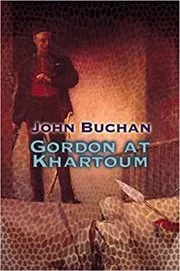
Gordon At Khartoum
by John Buchan
1934
Buchan retells the life and final crisis of General Gordon with an eye for character, faith, and imperial tragedy. It is brisk, dramatic biography.
Oliver Cromwell
by John Buchan
1934
This biography follows Cromwell from country gentleman to the center of English revolution. Buchan is interested in both the strategist and the difficult, driven man.
The Free Fishers
by John Buchan
1934
Young professor Anthony Lammas is swept from St Andrews into London intrigue, assassination plots, and a secret brotherhood during the Napoleonic era. Buchan mixes scholarship, suspense, and romance.
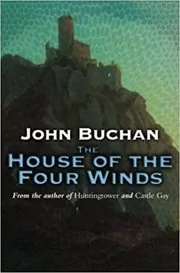
The House of the Four Winds
by John Buchan
1935
The Dickson McCunn story moves into full Ruritanian romance as friends from the earlier books are drawn into danger in fictional Evallonia. Expect escapes, disguises, and political intrigue.
The King's Grace
by John Buchan
1935
Rather than a simple life of George V, this book looks at his reign from 1910 to 1935 and the world around it. Buchan writes about monarchy through a period of rapid change.
Episodes of the Great War
by John Buchan
1936
These wartime pieces focus on key actions and turning points from the First World War. Buchan explains complex events in straightforward, highly readable prose.
The Island of Sheep
by John Buchan
1936
An older Richard Hannay answers an old promise and sets out to protect a young man whose secret has dangerous value. The final adventure is more reflective, but still packed with pursuit and violence.
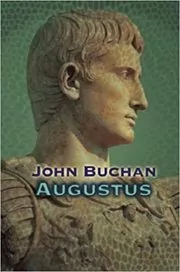
Augustus
by John Buchan
1937
Buchan's life of Augustus studies the founder of the Roman Empire as both patient politician and master of survival. It is a compact portrait of power after civil war.
Naval Episodes of the Great War
by John Buchan
1938
This companion to Buchan's land war writing turns to fleets, blockades, patrols, and sea battles. It makes naval strategy understandable without losing the drama.
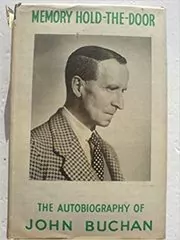
Memory Hold-the-Door
by John Buchan
1940
Buchan's memoir looks back over childhood, books, politics, war, friendship, and public service. It is reflective, graceful, and often more intimate than readers expect.
Pilgrim's Way
by John Buchan
1940
Published in America under this title, this is Buchan's memoir of the people, places, and work that shaped his life. It blends personal recollection with a wider sense of history.

Sick Heart River
by John Buchan
1941
Ill and worn out, Edward Leithen travels into northern Canada to find a missing man and ends up facing bigger questions about purpose and grace. It is quiet, grave, and deeply human.
The Long Traverse
by John Buchan
1941
A posthumous collection of shorter pieces that keeps Buchan's interest in risk, travel, and the unexpected alive. The stories range from adventure to the uncanny.
The Clearing House
by John Buchan
1946
This anthology, arranged after Buchan's death, draws from across his writings to give a broad view of his mind and interests. It works as both sampler and portrait.
John Buchan By His Wife and Friends
by John Buchan
1947
This memorial volume gathers personal recollections from people who knew Buchan best. It offers the public figure seen through family affection and friendship.
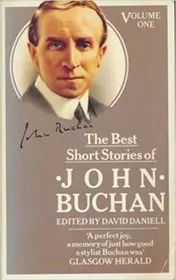
Best Short Stories
by John Buchan
1984
A selected volume of Buchan's shorter fiction, showing his range from adventure and historical pieces to stranger, darker tales. It is a compact introduction to his short-form work.
Far Islands
by John Buchan
1984
This later collection gathers Buchan's fantasy stories, including tales of remote places, old terrors, and half-glimpsed worlds. It highlights a side of him many readers never meet.
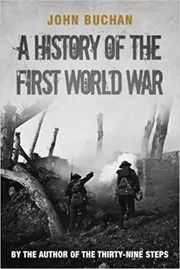
A History of the First World War
by John Buchan
1991
A later collected edition of Buchan's history of the 1914 to 1918 conflict, written close to the events themselves. It remains readable for its speed and clarity.
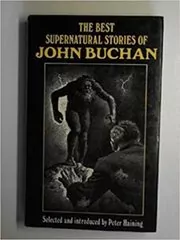
The Best Supernatural Stories
by John Buchan
1991
This selection brings together Buchan's ghostly, uncanny, and folkloric tales from scattered collections and magazines. It is the easiest way into his weird fiction.
Collected Poems
by John Buchan
1996
A gathered edition of Buchan's verse, from early pieces to later wartime poems. Readers who know only the thrillers may be surprised by how much landscape and feeling lives here.
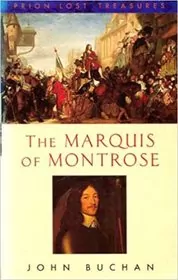
The Marquis of Montrose
by John Buchan
1996
This earlier life of Montrose presents the royalist leader as soldier, strategist, and tragic figure. It shows Buchan's lasting fascination with Scottish history.
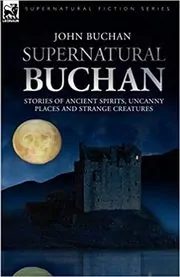
Supernatural Buchan
by John Buchan
1997
A themed selection of Buchan's eerie fiction, centered on haunted places, ancient survivals, and brushes with the unseen. It is a handy doorway into his stranger work.
History of the Royal Scots Fusiliers
by John Buchan
2005
This regimental history follows the Royal Scots Fusiliers across centuries and into the First World War. Buchan handles military detail with narrative drive.
Collected Supernatural Stories
by John Buchan
2012
A later omnibus of Buchan's uncanny tales, bringing together haunted landscapes, ancient evil, and psychological unease. It shows how often the supernatural ran through his fiction.
The Battle of the Somme
by John Buchan
2012
A shorter wartime history of the Somme campaign, written close to the events and meant to explain a major battle to general readers. Clear, direct, and immediate.
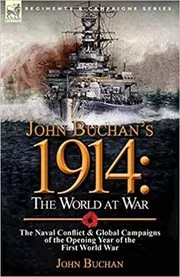
1914
by John Buchan
2014
This volume focuses on the opening year of the First World War and the shape of the conflict as it emerged. Buchan writes close to events, with urgency and clarity.
Britain's War by Land
by John Buchan
2015
Buchan offers a concise account of the land war in the early years of the First World War. It was written to explain a fast-changing conflict to ordinary readers.
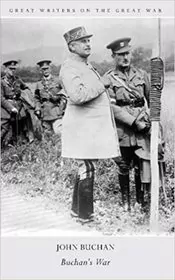
Buchan's War
by John Buchan
2015
This volume gathers Buchan's First World War writing and shows how he helped shape the public story of the conflict. It is useful for both the history and the voice.
The Nations of To-Day
by John Buchan
2015
An edited survey of the major nations of Buchan's time, written to help readers understand the modern world and its political character. Broad, informative, and very of its moment.
The Path of the King
by John Buchan
2015
A chain of linked historical tales explores kingship, destiny, and the passing of power across centuries. It feels like a novel told in episodes.
The First World War in Africa 1914-1918
by John Buchan
2018
This volume turns from Europe to the African campaigns of the First World War. Buchan explains a theatre that is often left out of shorter histories.
Italy
by John Buchan
2019
A short study of Italy, its history, and its national character by a writer who liked to join place and politics. More sketch than exhaustive history.
Nine Journeys of Wonder
by John Buchan
2020
A collection of imaginative tales built around travel, discovery, and the pull of the marvelous. It highlights Buchan's love of strange roads and far horizons.
Scottish Stories
by Sir Walter Scott, James Hogg, Robert Louis Stevenson, Margaret Oliphant, John Buchan & Irvine Welsh
2023
Edited by Gerard Carruthers, this anthology surveys two centuries of Scottish short fiction. It brings classic and contemporary writers—including Walter Scott, Robert Louis Stevenson, Muriel Spark, Ali Smith, and Irvine Welsh—into a collection shaped by folklore, landscapes, and urban history.
Where to start with John Buchan
If you want the essential spy thrillers: The Thirty-Nine Steps → Greenmantle → Mr. Standfast
If you want adventurous Scottish fiction with warmth and humor: Huntingtower → John MacNab → Castle Gay
If you prefer historical fiction: Witch Wood → Midwinter → The Blanket Of The Dark
If you want stranger, more reflective Buchan: The Gap In The Curtain → The Dancing Floor → Sick Heart River
John Buchan sub-series and character series
John Buchan collections, short stories, and related book types
Short Stories/Novellas
Short Story Collections
by John Buchan
1997Stories of Ancient Spirits, Uncanny Places and Strange Creatures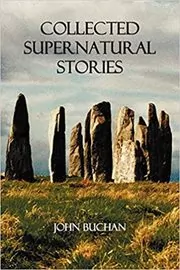
Non-Fiction


The First World War in Africa 1914-1918
by John Buchan
2018Togoland, South-West Africa, the Cameroons & East Africa

Poetry Collections
Collections
Standalone John Buchan books


by Sir Walter Scott, James Hogg, Robert Louis Stevenson, Margaret Oliphant, John Buchan & Irvine Welsh
2023
Author bio
John Buchan was born in Perth, Scotland, on August 26, 1875, the eldest child of a Free Church minister and his wife Helen. He grew up in Kirkcaldy, and the family later moved to Glasgow. Long holidays in Broughton, in the Scottish Borders, left a deep mark on him. He loved walking, fishing, and the look of the hills, and that love of landscape stayed in his books.
He started writing early. At Glasgow he studied classics, won prizes, and contributed pieces to student magazines. A scholarship then took him to Brasenose College, Oxford, where he kept writing, won academic honors, and published Sir Quixote of the Moors while still very young. For Buchan, writing was never something he planned to get around to later.
And yet he did plenty besides write.
He trained as a barrister, then went to South Africa in 1901 to work for Alfred Milner after the Boer War. That experience widened his world and fed directly into later fiction, especially Prester John. Back in Britain he worked in publishing, wrote journalism and history, married Susan Grosvenor in 1907, and raised a family while somehow continuing to turn out books at speed.
The novel most people still meet first is The Thirty-Nine Steps. Its hunted hero Richard Hannay helped define the modern chase thriller, and the story later reached an even bigger audience through Alfred Hitchcock's film. But Buchan was never only a writer of men on the run. Greenmantle expands that spy story into wartime intrigue, Huntingtower gives us a retired grocer with a romantic streak instead of a hard professional, and Witch Wood shows how good he could be with Scottish history, religion, and moral pressure.
He kept moving between fiction and public service. During the First World War he worked as a war correspondent, drafted official communiques, wrote volumes of war history, and became Director of Information for the British government. After the war he worked with Reuters, served as MP for the Scottish Universities, and wrote biographies such as Montrose and Sir Walter Scott. Even when the setting changed, his books kept circling back to courage, loyalty, duty, and the pull of place.
Late Buchan is worth the trip.
In 1935 he became Baron Tweedsmuir and was appointed Governor General of Canada. He took the job seriously, travelled widely, encouraged Canadian cultural life, and helped establish what became the Governor General's Literary Awards. Canada also found its way into his last great novel, Sick Heart River, a quieter, deeper book in which the aging Edward Leithen faces illness, failure, and a last chance to be useful.
Buchan died in Canada in February 1940, after suffering a stroke and head injury at Rideau Hall. His memoir, Memory Hold-the-Door, appeared the same year. He left behind a shelf that is wider than many readers expect: thrillers, historical novels, biographies, essays, war books, poems, ghost stories, and children's fiction. What holds it together is his clean pace, his eye for country and weather, and his interest in what people do when duty and desire point in different directions.


Edited by
Software engineer whose passion for tracking book recommendations from podcasts inspired the creation of MRB.
Lead investor at 3one4 Capital whose startup expertise and love for books helped shape MRB and its growth.
Comments
Did we miss something? Have feedback?
Help us improve this page by sharing your thoughts