
Jesse Ball Books in Order
Explore Jesse Ball books in order, with quick summaries, related works, and clear suggestions for where to start with his surreal, unsettling fiction.
Last updated:
As an Amazon Associate, we earn from qualifying purchases (at no extra cost to you).
Jesse Ball books in publication order
13 books
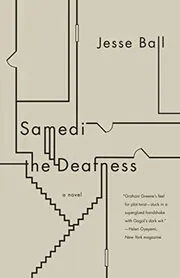
Samedi the Deafness
by Jesse Ball
2007
James Sim finds a dying man in the park whose last word is Samedi, then stumbles into abduction, conspiracy, and an asylum full of liars. The novel moves like a paranoid thriller, but its real subject is truth.
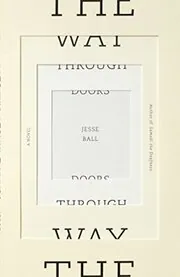
The Way Through Doors
by Jesse Ball
2009
After a young woman is hit by a taxi and loses her memory, Selah Morse poses as her boyfriend. To keep her awake through the night, he tells story after story, hoping one of them will lead her back to herself.
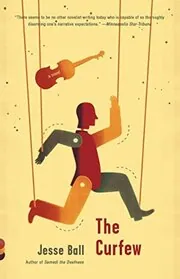
The Curfew
by Jesse Ball
2011
William and his daughter Molly live quietly in a city under curfew, where police violence is constant and his wife vanished in the uprising. When a friend offers news about her, he risks everything by going out at night.
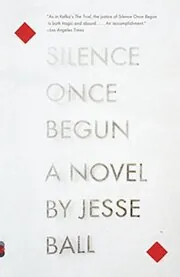
Silence Once Begun
by Jesse Ball
2014
After eight disappearances in a Japanese town, thread salesman Oda Sotatsu signs a confession and then refuses to speak. A journalist tries to reconstruct the truth through interviews, testimony, and the unsettling gaps left by silence.
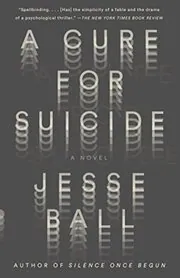
A Cure for Suicide
by Jesse Ball
2015
A man is taught the basics of life by a woman called an examiner in a small, watchful village. As fragments of memory return and another woman enters the picture, the rules of his world start to crack.

The Lesson
by Jesse Ball
2015
Loring, a widow and chess master, begins teaching a gifted boy who looks strikingly like her dead husband. What follows is a brief, eerie chess fable about grief, talent, and the possibility that the past is not done moving.
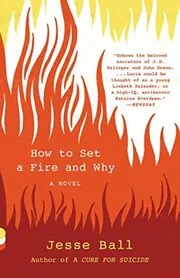
How to Set a Fire and Why
by Jesse Ball
2016
Lucia Stanton, angry, smart, and repeatedly kicked out of school, lives with her aunt while visiting her mother in a hospital. When she discovers a secret arson club, her loneliness and fury find a dangerous purpose.
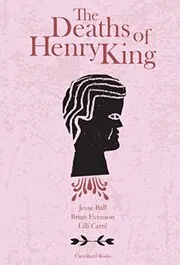
The Deaths of Henry King
by Jesse Ball
2016
In this darkly funny illustrated collaboration, Henry King dies again and again in dozens of brief, bizarre scenes. Each vignette turns death into a joke, a fable, or a nasty surprise, with Lilli Carré's stark art sharpening the mood.
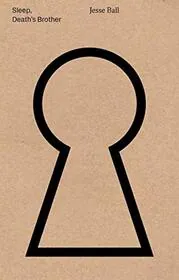
Sleep, Death's Brother
by Jesse Ball
2017
Part guide, part meditation, this slim nonfiction book teaches lucid dreaming to children and people in confinement. Ball treats dreams as a place where agency can grow, even when waking life feels narrow or controlled.
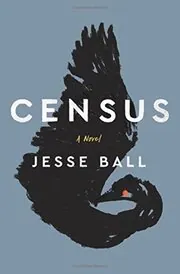
Census
by Jesse Ball
2018
A widowed doctor learns he is dying and takes a strange census job, traveling across the country with his son. The trip becomes a tender, searching account of love, care, and what it means to prepare for an ending.
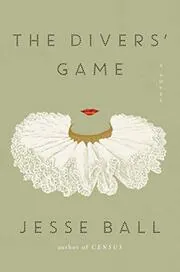
The Divers' Game
by Jesse Ball
2019
In a brutal society split between privileged pats and persecuted quads, a set of linked lives reveals how cruelty becomes normal. Ball shifts perspective to show a world built on exclusion, fear, and the collapse of fellow feeling.
Autoportrait
by Jesse Ball
2022
Ball's fragmentary memoir gathers memories, habits, losses, jokes, and stray observations into a self-portrait that feels intimate and unsettled. It is less a straight life story than a collage of what a life feels like from the inside.

The Repeat Room
by Jesse Ball
2024
In a speculative future, Abel serves a secret jury where one juror can inhabit a defendant's life from the inside. Ball turns that premise into an unsettling novel about judgment, empathy, and punishment.
Where to start with Jesse Ball
If you want the most emotional place to begin: Census → Autoportrait
If you like conspiracies and quiet dread: Samedi the Deafness → Silence Once Begun → The Repeat Room
If you want bleak dystopian fiction: The Curfew → A Cure for Suicide → The Divers' Game
If you want a fierce teenage voice: How to Set a Fire and Why
If you want something brief and strange: The Lesson → Sleep, Death's Brother
Jesse Ball collections, short stories, and related book types
Short Stories/Novellas
Non-Fiction
Standalone Jesse Ball books
Author bio
Jesse Ball was born in Port Jefferson, New York, and grew up on Long Island in a family where books and public service mattered. His father worked in Medicaid, his mother worked in libraries, and his brother Abram, who had Down syndrome, was a central part of his life. That mix of close observation, care, and ordinary daily work runs through much of what Ball writes.
He began as a poet. At Vassar College he was already making and binding his own small books by hand, passing them around before he had any formal standing as a writer. After college he went to Columbia University for an MFA, where he met the poet Richard Howard, who helped him publish March Book, an early collection that helped launch his writing career.
From the start, he was drawn to fiction that bends reality rather than sits still inside it.
Ball spent stretches of time in Europe as a younger writer, including in France, Scotland, and Iceland. Those years abroad sit in the background of books whose settings often feel hard to pin to one place. His fiction regularly takes place in worlds that seem familiar at first, then tilt just enough to make every rule feel uncertain.
That energy is there in the early novels that first brought many readers to him. Samedi the Deafness begins with a dying man's last word and turns into a strange conspiracy story about lies, memory, and responsibility. The Way Through Doors opens with an accident and an amnesiac woman, then keeps unfolding into stories inside stories. If you like books that feel dreamlike but still have the pull of suspense, these are strong places to begin.
Later books widened the range without losing the signature pressure. The Curfew imagines life under authoritarian control, but its deepest bond is between a father and daughter. Silence Once Begun uses interviews, testimony, and silence to build a wrongful conviction story set in Japan. A Cure for Suicide and The Divers' Game move even further into stripped-down speculative worlds where power is arbitrary and kindness can feel radical.
For all their oddness, Ball's books keep circling one plain question, how should we treat other people?
That question becomes especially moving in Census. Ball wrote openly about wanting readers to feel what it is like to know and love a person with Down syndrome, and the novel follows a dying father traveling with his son across a strange country. It is one of his most personal books. How to Set a Fire and Why shows another side of his work, channeling teenage anger through the unforgettable Lucia Stanton, while Autoportrait turns inward in a fragmentary memoir built from memory, grief, jokes, habits, and self-scrutiny.
Along the way, Ball picked up the Paris Review Plimpton Prize, a Guggenheim Fellowship, and a National Book Award longlist spot for A Cure for Suicide. He was also named one of Granta's Best Young American Novelists in 2017. For many years he taught at the School of the Art Institute of Chicago, where he became known for unusual classes on subjects like lying and dreaming.
He has lived in Chicago since 2007, and in 2025 he joined the University of Virginia as the Sydney Blair Memorial Professor of Creative Writing. He now teaches fiction there and continues to publish novels, memoir, and shorter experimental work. His books can look like fables, puzzles, or parables from a distance, but up close they are very human, and often unexpectedly tender.












Edited by
Software engineer whose passion for tracking book recommendations from podcasts inspired the creation of MRB.
Lead investor at 3one4 Capital whose startup expertise and love for books helped shape MRB and its growth.
Comments
Did we miss something? Have feedback?
Help us improve this page by sharing your thoughts