
Jerusalem Books in Order
Part ofColin Falconer Books in OrderRead Colin Falconer’s Jerusalem novels in order, with summaries, timelines and background on this sweeping sequence about the birth of modern Israel and Palestine.
Last updated:
As an Amazon Associate, we earn from qualifying purchases (at no extra cost to you).
Jerusalem books in publication order
4 books
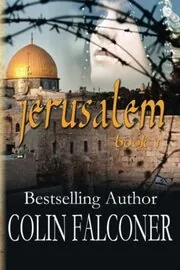
Jerusalem
by Colin Falconer
2012
The first book in the Jerusalem series introduces Holocaust survivor Netanel and Arab families who already call the land home. Set against rising tension under British rule, it shows how refugees seeking safety and locals fighting for their own future become locked in a struggle neither side can easily escape.
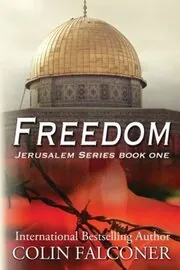
Freedom
by Colin Falconer
2013
The second novel in the Jerusalem sequence follows two young women from very different backgrounds whose futures become bound to the struggle over Mandate Palestine. As protests flare, friendships fracture and violence spreads, their private loves and losses mirror a land being torn in two.
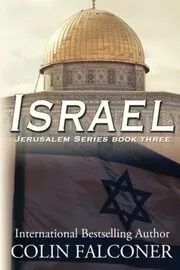
Israel
by Colin Falconer
2013
In the final Jerusalem novel, the British depart, the United Nations draws lines on a map and full scale war erupts. As cities fall and villages empty, characters readers have followed from earlier books see their world remade in blood, exile and fragile new beginnings under a new flag.

Zion
by Colin Falconer
2013
Zion charts the intensifying conflict as underground armies organize, British authority crumbles and Jewish and Arab communities are pushed toward open war. Families on both sides are forced into impossible choices about loyalty, home and whose claim to the land they are prepared to defend with their lives.
Jerusalem books in chronological order
Series background & context
The Jerusalem series is Falconer’s long view of how one small strip of land became the focus of so much hope and grief in the mid twentieth century. Spanning roughly fifteen years, from the 1930s to the late 1940s, the four novels follow characters on both sides of the emerging conflict that turns British Mandate Palestine into the state of Israel.
The opening book, Jerusalem, introduces Netanel, a young Jewish man who has survived the camps in Europe and arrives in Palestine with little left except anger and the hope of safety. Around him are fellow refugees, long established Jewish families, British administrators and Arab communities who see the land as theirs and fear what the influx of newcomers will mean. The novel focuses less on leaders and more on people trying to rebuild families and lives in a place that is already under strain.
Freedom and Zion deepen and widen the picture. On the Arab side Falconer gives space to characters like Rishou and his brothers, men who have grown up in villages and towns that suddenly feature on someone else’s map. They call the place Palestine and think of it as home long before borders harden. As protests turn to riots and riots to war, their choices are narrowed by forces they do not control – imperial politics, militant groups and neighbours forced into opposing militias.
On the Jewish side the novels track the shift from refugee communities and underground organizations to the formation of an army and a government in waiting. Sabotage, reprisals and hostage takings are shown not as abstract headlines but as the desperate acts of people who have run out of peaceful options and, in some cases, out of patience.
By the final volume, Israel, the British have left, the United Nations has voted and full scale war has arrived. Villages are emptied, cities change hands and everyone is pushed to decide not just where they stand, but who they are. Falconer does not pretend there are easy heroes here. Netanel and Rishou carry their own prejudices, grief and blind spots, and the books are clear that suffering and guilt exist on all sides.
What makes the series distinctive is its attempt to hold two truths at once. The novels are built from interviews and on the ground research and make room for both Jewish and Arab narratives, showing how each group can feel entirely justified and yet be blind to the pain of the other. Long friendships are strained, love affairs are tested and families are scattered.
The tone is that of a historical thriller – there are ambushes, prison breaks and last minute escapes – but the human cost is always front and centre. Readers come away with a sense of how quickly neighbours can become enemies, and how long the scars of those first years still run through the region today.







Edited by
Software engineer whose passion for tracking book recommendations from podcasts inspired the creation of MRB.
Lead investor at 3one4 Capital whose startup expertise and love for books helped shape MRB and its growth.
Comments
Did we miss something? Have feedback?
Help us improve this page by sharing your thoughts