
Jane Robins Books in Order
Browse Jane Robins books in order, with quick summaries, where-to-start tips, and background on her psychological suspense and historical true-crime titles.
Last updated:
As an Amazon Associate, we earn from qualifying purchases (at no extra cost to you).
Jane Robins books in publication order
4 books
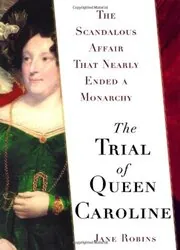
The Trial of Queen Caroline
by Jane Robins
2006
This book tells the story of Queen Caroline's 1820 adultery trial and the political storm around it. Robins turns a bad royal marriage into a sharp account of public scandal, press power, and a monarchy pushed toward crisis.
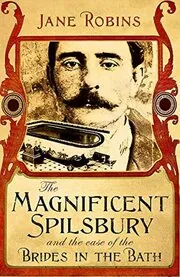
The Magnificent Spilsbury And The Case Of The Brides In The Bath
by Jane Robins
2010
Jane Robins revisits the Brides in the Bath murders, where three women marry the same charming fraudster and die soon after. The book pairs the victims' stories with Bernard Spilsbury's forensic work and the unease of wartime Britain.
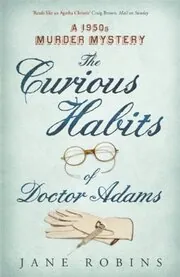
The Curious Habits of Doctor Adams
by Jane Robins
2013
In 1957 Eastbourne, the death of wealthy widow Bobbie Hullett draws Scotland Yard toward Dr John Bodkin Adams, a family doctor long surrounded by whispers. Jane Robins follows the case as medicine, money, and suspicion collide.
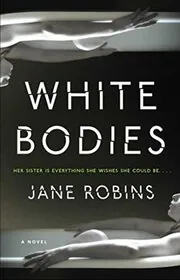
White Bodies
by Jane Robins
2017
Callie Farrow is sure her twin sister's new husband is dangerous, so she starts watching the couple more closely. As her obsession deepens, the line between protection and paranoia begins to vanish.
Where to start with Jane Robins
If you want psychological suspense first: White Bodies
If you like true crime and early forensics: The Magnificent Spilsbury And The Case Of The Brides In The Bath → The Curious Habits of Doctor Adams
If you want royal scandal and courtroom history: The Trial of Queen Caroline
Jane Robins collections, short stories, and related book types
Non-Fiction
Standalone Jane Robins books
Author bio
Jane Robins came to books through journalism. Before she wrote full-length nonfiction and fiction, she worked for The Economist, The Independent, and the BBC. Her reporting career took her from British politics to life abroad, and she also worked as a foreign correspondent in India and South-East Asia. Later, she served in the BBC's policy unit and edited The Week in Westminster on Radio 4.
She learned early how to get to the point.
Robins did not start with invented plots. Her first books were works of narrative history and true crime, and they show a steady fascination with trials, evidence, and the odd moment when private trouble becomes public spectacle. The Trial of Queen Caroline, first published in the UK as Rebel Queen, follows the 1820 adultery trial that turned a disastrous royal marriage into a national drama. It is the kind of story that mixes palace scandal, street anger, and political danger, and Robins handles it by keeping one eye on the human mess and the other on the machinery of power.
After that came The Magnificent Spilsbury And The Case Of The Brides In The Bath and The Curious Habits of Doctor Adams. One revisits the Brides in the Bath murders and the rise of forensic expertise around Bernard Spilsbury, while also paying close attention to the women caught in the case. The other moves to 1950s Eastbourne, where the suspicious death of wealthy widow Bobbie Hullett pulls Dr John Bodkin Adams and years of whispered suspicion into the open. Readers who like social history as much as detection tend to find a lot to enjoy in both books.
Those books are not just case summaries. Robins is interested in the social world around the crime, the pressures on women, the pull of money and status, and the way newspapers, police, and the courts help shape a public story. In her own account of her work, she has described long stretches in archives and libraries across the UK, and that deep research gives her nonfiction its solid, lived-in feel. She likes facts, but she also likes the strange behavior facts can reveal.
Crime, for her, is never just about the body on the floor.
After three narrative nonfiction books, Robins said she wanted a new challenge and was not sure at first whether she could write a novel. She stayed close to crime because it was the form she knew best, and because her true-crime research had already pushed her to think hard about perpetrators, victims, and the social worlds around them. In interviews, she has said journalism taught her to cut hard and keep only what belongs, while historical writing taught her how to shape a long narrative and keep building toward an ending.
White Bodies became her fiction debut, and it feels like a natural next step. On the surface it is a psychological thriller about twins, Callie and Tilda, and the man Callie believes is controlling her sister. Underneath, it is about obsession, misreading, jealousy, and the blurry line between protection and possession. Robins has said Alfred Hitchcock was a major influence on the book, and you can feel that tight, uneasy focus in the way the story traps the reader inside Callie's point of view.
Across all her books, Robins keeps coming back to similar questions. Who gets believed. What evidence really proves. How charm can hide danger. And how public narratives are built around people who may already be in trouble. She has also been a Fellow at the Royal Literary Fund, and public biographies have placed her in north-west London. She has kept an interest in British politics and current affairs, which makes sense, because power, reputation, and public feeling are never far from the center of her work.


Edited by
Software engineer whose passion for tracking book recommendations from podcasts inspired the creation of MRB.
Lead investor at 3one4 Capital whose startup expertise and love for books helped shape MRB and its growth.
Comments
Did we miss something? Have feedback?
Help us improve this page by sharing your thoughts