
James Thurber Books in Order
Explore James Thurber books in order, with short summaries and a guide to the series and standalone titles to help you choose where to start reading.
Last updated: 35 new books added
As an Amazon Associate, we earn from qualifying purchases (at no extra cost to you).
James Thurber books in publication order
35 books
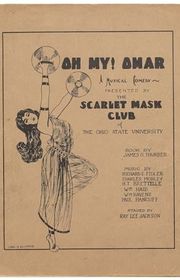
Oh My, Omar!
by James Thurber
1921
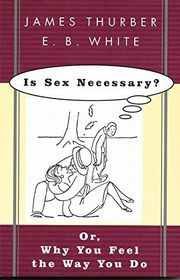
Is Sex Necessary?
by James Thurber
1929
Thurber and E. B. White parody explanations of romance, marriage, and sexual behavior in their first prose book. Comic observations and Thurber’s drawings turn the language of psychology and advice writing into a satire of human relationships.
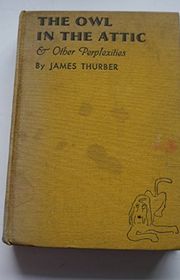
The Owl in the Attic and Other Perplexities
by James Thurber
1931
Thurber follows Mr. and Mrs. Monroe through marital misunderstandings, parodies advice for pet owners, and turns modern grammar guides into comedy. These short pieces and drawings find confusion in domestic life, animal care and the rules meant to make language clear.
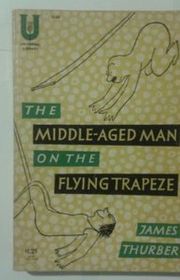
The Middle-Aged Man on the Flying Trapeze
by James Thurber
1935
Short prose pieces and drawings come together in Thurber’s fifth book. The collection presents his humor in both written and visual form, giving readers a volume of brief works accompanied by the author’s illustrations.
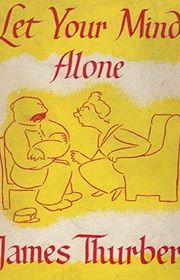
Let Your Mind Alone
by James Thurber
1937
Thurber answers the self-help industry with humorous essays and his own drawings. The collection turns skeptical attention toward promises of personal improvement, examining the absurdities of advice books that flourished during the 1930s.
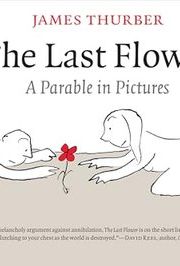
The Last Flower
by James Thurber
1939
After a devastating world war, civilization, gardens, and love have vanished. A girl’s discovery of the last surviving flower begins a picture parable about destruction, renewal, and the fragile possibility of rebuilding human life.
Fables for Our Time and Famous Poems Illustrated
by James Thurber
1940
Animal fables expose human weaknesses through short, satirical moral lessons. Thurber pairs the tales with his own illustrations and visual interpretations of well-known poems, combining verbal humor with drawings that complicate their apparent wisdom.
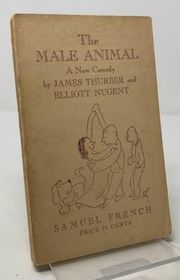
The Male Animal
by James Thurber
1941
Professor Tommy Turner faces pressure over what he plans to teach just as his wife’s former football-hero sweetheart returns. Academic freedom and marital jealousy collide during a college football weekend in this comedy.
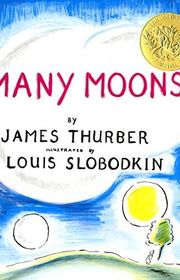
Many Moons
by James Thurber
1942
A little princess decides she wants the moon, creating a problem for everyone trying to satisfy her. Thurber's illustrated fairy tale follows the surprising fulfillment of a wish that appears impossible to grant.
My World, and Welcome to It
by James Thurber
1942
Thirty stories, sketches, and articles range across marriage, courtship, baseball, sailing, literature, and murder. Thurber's drawings accompany a collection that moves between broad comedy and darker observations about familiar human habits.
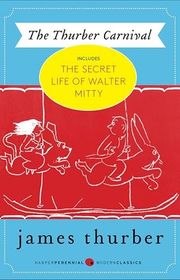
The Thurber Carnival
by James Thurber
1942
Selected stories and drawings bring together Thurber's observations of society and human behavior, including 'The Secret Life of Walter Mitty.' The collection draws from several earlier books to present the range of his humor.
Men, Women and Dogs
by James Thurber
1943
Thurber's drawings turn relations between men, women and their canine companions into scenes of conflict and absurdity. The collection includes his visual chronicle of the war between the sexes, with a preface by Dorothy Parker.
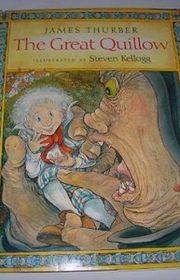
The Great Quillow
by James Thurber
1944
A demanding, gluttonous giant threatens a village whose people cannot meet his expectations. Quillow, a toymaker, devises a clever scheme to save his neighbors, setting resourcefulness against an opponent who seems impossible to overcome.
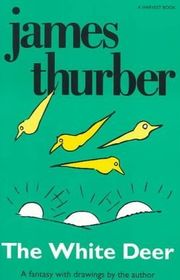
The White Deer
by James Thurber
1945
A deer becomes a princess and gives three princes dangerous tasks to complete if they want to marry her. Wizards, dragons, riddles, and enchantments complicate their quests in a fairy tale about false love and true.
My Life and Hard Times and Other Observations
by James Thurber
1948
Thurber recounts family life and boyhood through stories of domestic chaos, frustration, and unusual dogs. Personal recollections become comic accounts of the misunderstandings and eccentric behavior that marked the world in which he grew up.
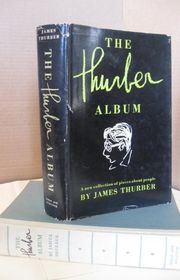
The Thurber Album
by James Thurber
1952
James Thurber recalls the relatives, friends, teachers, and colleagues who shaped his early life in Columbus, Ohio. These portraits recover the people and habits of an earlier era while tracing the personal roots of his humor.
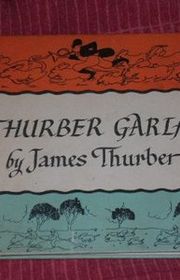
A Thurber Garland
by James Thurber
1955
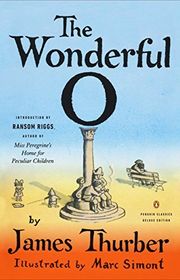
The Wonderful O
by James Thurber
1955
Two treasure hunters seize control of an island and ban the letter O when their search fails. As ordinary language becomes impossible, the islanders must find a way to resist the intruders and recover their freedom.
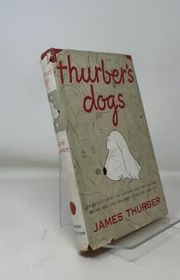
Thurber's Dogs
by James Thurber
1955
Stories, essays, and drawings celebrate the real and imagined dogs in Thurber’s life. Their unruly habits, misunderstandings, and relationships with people turn everyday domestic experiences into affectionate comedy about both animals and their human companions.
Further Fables for Our Time
by James Thurber
1956
Thurber’s fables use tales of misfortune to question human behavior and the lessons people draw from it. Brief comic narratives combine the familiar shape of moral stories with the humorist’s skeptical view of everyday life.
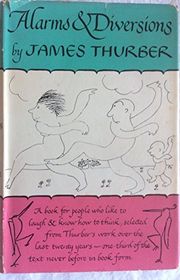
Alarms and Diversions
by James Thurber
1957
Thurber gathers stories and comic observations that turn ordinary situations into bewildering predicaments. From modern jargon to the problems of growing older, his characters struggle to make sense of a world governed by peculiar rules.
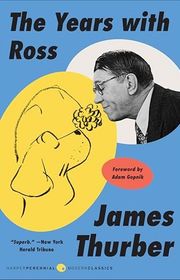
The Years with Ross
by James Thurber
1959
Thurber recalls his years at The New Yorker and his friendship with its founder, Harold Ross. Anecdotes about writers, editorial battles, and office eccentricities form a portrait of the man who shaped the magazine.
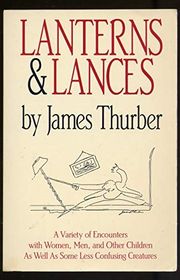
Lanterns & Lances
by James Thurber
1961
Thurber's stories and essays explore the confusion hidden in everyday speech, using wordplay, deliberate errors and verbal misunderstandings. Accompanied by his drawings, the pieces turn language and ordinary encounters into occasions for humor and reflection.
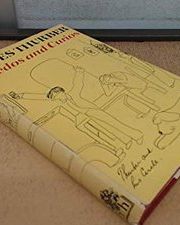
Credos and Curios
by James Thurber
1962
Previously uncollected pieces range from Thurber’s notebooks to his portrait of friend John McNulty. Writing and illustrations bring together varied subjects and moods, connected by the humorist’s distinctive observations and personal voice.
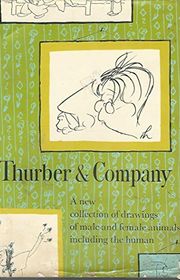
Thurber and Company
by James Thurber
1966
This collection gathers Thurber’s drawings of animals, including human beings. His visual comedy places men, women, and other creatures together, offering readers a volume centered on the cartoonist’s ways of depicting their behavior and relationships.
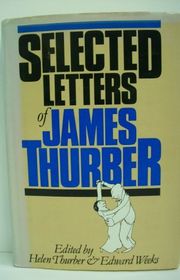
Selected Letters of James Thurber
by James Thurber
1981
Thurber’s letters are collected alongside thirty-seven of his drawings, bringing his private correspondence together with his visual humor. The volume offers another way to encounter the voice and imagination behind his familiar stories and cartoons.
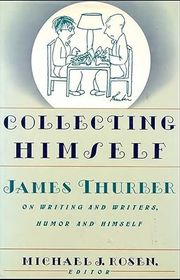
Collecting Himself
by James Thurber
1989
Previously uncollected essays, articles, reviews, parodies, and cartoons reveal Thurber’s views on writing and humor. Reflections on theater and The New Yorker place his creative work alongside observations of other writers and his own career.
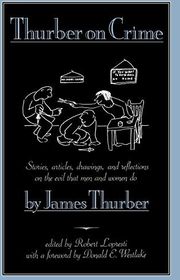
Thurber on Crime
by James Thurber
1992
Stories, articles, and drawings explore crime and everyday wrongdoing through Thurber’s comic perspective. Edited by Robert Lopresti, the collection brings together the humorist’s observations of human villainy, accompanied by thirty-two line drawings.
People Have More Fun Than Anybody
by James Thurber
1994
Eighteen prose pieces and more than seventy-five previously uncollected drawings explore dogs, machinery, human relationships, and other Thurber concerns. The collection brings together comic observations that reveal his fascination with everyday frustrations and unexpected absurdities.
Better to Have Loafed and Lost
by James Thurber
2002
This selection gathers stories and cartoons from across Thurber’s career, including Walter Mitty and The Catbird Seat. Domestic anxieties, relations between men and women, animals, and imaginative escapes reveal the comic logic of his world.
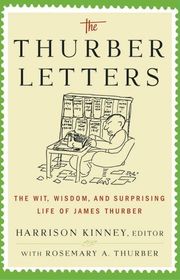
The Thurber Letters
by James Thurber
2003
This collection traces Thurber’s life through correspondence, much of it previously unpublished, from youthful romances to literary friendships and family relationships. Letters and drawings illuminate his work, marriages, and turbulent years at The New Yorker.
The Tiger Who Would be King
by James Thurber
2015
A tiger decides he should rule the animals and challenges the lion's authority, drawing the jungle into conflict. Thurber's fable examines the hunger for power and the destruction caused by a struggle for supremacy.
The Beast in Me and Other Animals
by James Thurber
Humorous stories, essays and drawings examine human behavior alongside the animals that share Thurber's imagined world. The collection also includes reporting for The Talk of the Town, bringing his curiosity about real people into the same volume as his inventions.
The Seal in the Bedroom and Other Predicaments
by James Thurber
Thurber's cartoons transform encounters between women, men and animals into unexpected predicaments. Sequences about dogs, tennis, parties and the collapse of civilization bring familiar social rituals into a world where ordinary situations repeatedly slip into absurdity.
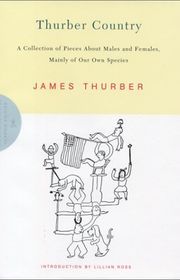
Thurber Country
by James Thurber
Marriage, travel and correspondence become sources of confusion in this collection of humorous pieces. Thurber explores pleasure cruises, practical jokes, awkward gifts and linguistic difficulties, finding comedy in the small decisions and misunderstandings that unsettle everyday life.
Standalone James Thurber books



People Have More Fun Than Anybody
by James Thurber
1994A Centennial Celebration of Drawings and Writings by James Thurber











Edited by
Software engineer whose passion for tracking book recommendations from podcasts inspired the creation of MRB.
Lead investor at 3one4 Capital whose startup expertise and love for books helped shape MRB and its growth.
Comments
Spotted a missing book, a wrong order or a mistake? Tell us and we'll fix this page.
We're a reading guide, not the author or publisher, so we can't send books or pass on messages.