
James A Michener Books in Order
The complete bibliography of James A. Michener, featuring his epic historical sagas like *Hawaii* and *The Source*, plus reading order and biographical details.
Last updated:
As an Amazon Associate, we earn from qualifying purchases (at no extra cost to you).
James A Michener books in publication order
55 books
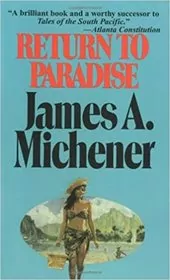
Return to Paradise
by James A. Michener
1947
A sequel of sorts to *Tales of the South Pacific*, combining factual essays with fictional short stories. Michener revisits the islands years after the war to examine how the conflict changed the region and its people.
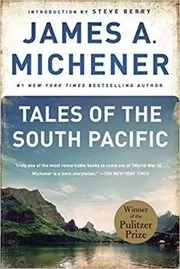
Tales of the South Pacific
by James A. Michener & Steve Berry
1947
The Pulitzer Prize-winning collection of interlinked stories set during World War II. From the bored sailors waiting for action to the nurses and islanders whose lives intersect with theirs, this book captures the drama and romance of the Pacific theater.

The Fires of Spring
by James A. Michener
1949
A semi-autobiographical coming-of-age novel about David Harper, an orphan raised in a Pennsylvania poorhouse. From a childhood of poverty, he journeys through the worlds of amusement parks and theater before finding his voice as a writer.
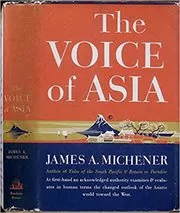
The Voice of Asia
by James A. Michener
1951
A non-fiction report from the early 1950s in which Michener interviews people across Asia. He captures the perspectives of peasants, leaders, and students as the continent undergoes massive post-war changes.

Sayonara
by James A. Michener
1953
Set in Japan during the Korean War, this romance follows an American Air Force major who falls in love with a Japanese dancer. Their relationship challenges the deep-seated prejudices and rigid military policies of the time.
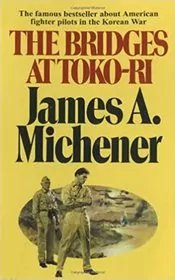
The Bridges at Toko-ri
by James A. Michener
1953
A taut, gripping novel about naval aviators during the Korean War. A lawyer-turned-pilot must leave his family to fly dangerous bombing missions against heavily defended communist bridges, confronting the harsh reality of duty and sacrifice.
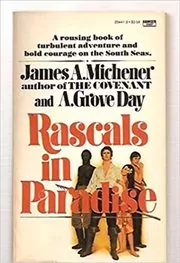
Rascals In Paradise
by James A. Michener & A. Grove Day
1957
Co-authored with A. Grove Day, this non-fiction collection profiles ten colorful adventurers from Pacific history. From mutineers to pirates and would-be kings, it chronicles the true stories of those who sought fortune or refuge in the islands.
The Bridge at Andau
by James A. Michener
1957
A journalistic account of the 1956 Hungarian Revolution. Michener interviews refugees who fled across a small bridge to Austria, documenting the Soviet crackdown and the bravery of those who resisted.
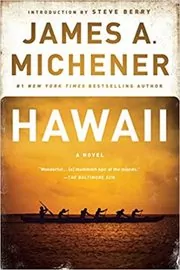
Hawaii
by James A. Michener
1959
A sweeping saga that tells the history of the Hawaiian Islands, from their volcanic origins to statehood. The narrative follows the successive waves of arrivals—Polynesians, missionaries, and Asian immigrants—who shaped the unique culture of the islands.
Japanese Prints
by James A. Michener
1959
A comprehensive survey of Ukiyo-e, the Japanese art of woodblock printing. Michener, a serious collector, guides readers through the history of the form, highlighting both famous masters and lesser-known artists.
The Modern Japanese Print
by James A. Michener & Oliver Statler
1959
A commentary on the modern *sosaku-hanga* movement. This work reflects Michener’s deep appreciation for the evolution of Japanese printmaking in the 20th century, focusing on ten specific artists.
This Was Your War
by James A. Michener
1960
A World War II anthology of fiction, nonfiction, poetry, and personal memoirs by writers who lived through the conflict. It includes a contribution by James A. Michener among work from an array of notable American voices.

Report of the County Chairman
by James A. Michener
1961
A non-fiction memoir of Michener’s time working as a county chairman for John F. Kennedy’s 1960 presidential campaign. It offers an insider's look at grassroots politics and the religious bigotry Kennedy faced in Pennsylvania.

Caravans
by James A. Michener
1963
In post-war Afghanistan, an American diplomat is sent to find a young American woman who has disappeared after marrying an Afghan national. His search leads him deep into the nomadic traditions and rugged landscapes of the country.
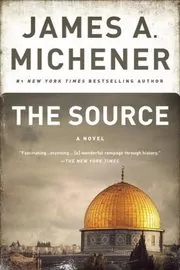
The Source
by James A. Michener
1965
A group of archaeologists excavating a site in Israel uncovers artifacts that reveal the history of the Holy Land. Through layers of the tell, the story travels backward and forward in time, tracing the birth of Judaism and the conflicts that have shaped the region for millennia.
Recommended by
1 person Ben Shapiro recommended this book
Ben Shapiro
"Basically a bunch of short stories. But a bunch of them are really, really compelling and interesting. [...] It's a long read but it's an easy read." - Ben Shapiro
Ben Shapiro's recommendation of this book
Iberia
by James A. Michener
1968
Michener’s extensive travelogue and love letter to Spain. Mixing history, personal observation, and cultural commentary, he explores the diverse regions of the country, from the cathedrals of Santiago to the bullrings of Seville.
Presidential Lottery
by James A. Michener & Sam Sloan
1969
A non-fiction critique of the United States Electoral College system. Drawing on his experience as an elector, Michener argues for reform to prevent potential constitutional crises in future elections.
Kent State
by James A. Michener
1971
A detailed journalistic investigation into the tragic 1970 shootings at Kent State University. Michener reconstructs the events leading up to the National Guard opening fire on student protesters.

The Drifters
by James A. Michener
1971
Six young dropouts from different backgrounds meet in Torremolinos, Spain, and travel together across Europe and Africa. The novel explores the counterculture movement of the 1960s and the generation gap through their journeys.
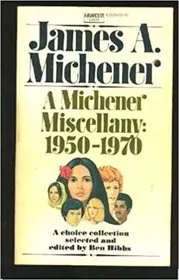
A Michener Miscellany
by James A. Michener
1973
A collection of essays, articles, and shorter pieces written between 1950 and 1970. It covers a wide range of topics, including his thoughts on writing, politics, and the various cultures he encountered during his travels.
Firstfruits
by James A. Michener
1973
An anthology of short fiction by early Israeli writers, edited and introduced by Michener. These stories offer a literary window into the first 25 years of the state of Israel and the diverse voices of its people.
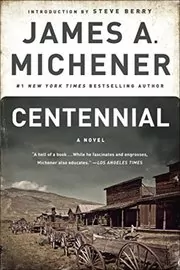
Centennial
by James A. Michener
1974
A monumental saga of the American West, focused on the fictional town of Centennial, Colorado. It spans millions of years, from the age of dinosaurs to the cattle drives and homesteaders of the 1970s.
Sports in America
by James A. Michener
1976
A non-fiction examination of the role of sports in American society. Michener discusses the commercialization of athletics, health issues, and the impact of sports on education and culture.

Chesapeake
by James A. Michener
1978
An epic novel tracing the history of Maryland’s Eastern Shore through four families. From the arrival of the first settlers to modern times, it chronicles their relationship with the land, the bay, and each other.

The Watermen
by James A. Michener
1979
A collection of selections from the novel *Chesapeake*, focusing specifically on the lives of the watermen who work the bay. Illustrated with drawings, it highlights the maritime culture of the region.
Quality of Life
by James A. Michener
1980
A series of essays in which Michener reflects on the challenges facing American society in the early 1970s. He addresses issues like urbanization, the environment, and the changing social landscape.
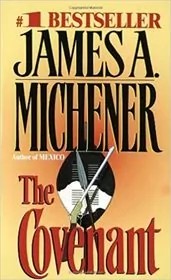
The Covenant
by James A. Michener
1980
A sweeping history of South Africa, weaving together the stories of Afrikaners, English settlers, and the Zulu and Xhosa people. The novel traces the complex and often violent evolution of the nation from early colonization to the height of apartheid.

Space
by James A. Michener
1982
A fictionalized chronicle of the American space program. Through the lives of scientists, astronauts, and politicians, the story captures the excitement and peril of the Space Race, ending with the shuttle era.

Poland
by James A. Michener
1983
The tumultuous history of Poland told through the eyes of three noble families. The narrative spans eight centuries, covering the Mongol invasions, wars with Sweden and Russia, and the Nazi occupation.

Texas
by James A. Michener
1985
An expansive saga covering four centuries of Texas history. From Spanish missionaries and Comanche warriors to oil tycoons and modern ranchers, Michener brings the Lone Star State’s legends to life.
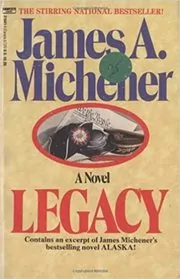
Legacy
by James A. Michener
1987
A short novel about a U.S. Army officer who is called to testify before Congress during the Iran-Contra affair. He reflects on his family’s long history of service and the enduring principles of the Constitution.

Alaska
by James A. Michener
1988
A massive historical novel about the Alaskan frontier. It covers everything from the prehistoric migration across the land bridge to the Russian occupation, the Gold Rush, and the battle for statehood.
James A. Michener's USA
by James A. Michener & Peter Chaitin
1988
A visual and literary celebration of the United States. Michener provides the text to accompany photographs that capture the diverse landscapes and people of the country he chronicled for decades.
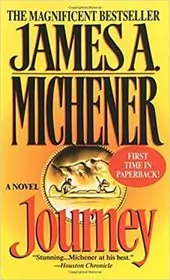
Journey
by James A. Michener, Steve Berry & David McCallum
1988
A focused survival story set during the Klondike Gold Rush of 1897. Five men from vastly different backgrounds trek across Canada to reach the gold fields, facing the brutal indifference of nature.
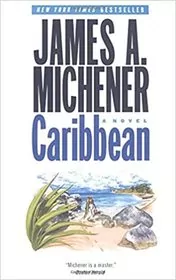
Caribbean
by James A. Michener
1989
A historical epic that spans the entire Caribbean region. The story moves from the Maya and the arrival of Columbus to the age of pirates, the sugar plantations, and the rise of Fidel Castro.
Great World War II Stories
by Irwin Shaw, JG Ballard, Nevil Shute, Ewen Montagu, James Jones, W. Stanley Moss, James A. Michener, Richard Hillary, Kurt Vonnegut, Evelyn Waugh, Norman Mailer, Charles James Rolo, Bruce Marshall, Paul Brickhill, Graham Brooks, Cornelius Ryan, R. J. Minney, Lindsay Baly, P. R. Reed, Guy Gibson, Nella Last, Joseph Heller, Martha Gellhorn, Raymond Paull, H. E. Bates, Ronald Seth, John Prebble, Nancy Wake, F. J. Salfeld, John Steinbeck, Nicholas Monsarrat, R. L. Crimp, James Aldridge, Robert J. Casey & John Hersey
1989
An anthology of significant short fiction about World War II. Michener provides the introduction and selects stories that capture the global scale and human cost of the conflict.
Six Days in Havana
by James A. Michener & John Kings
1989
A travelogue recounting Michener’s 1989 trip to Cuba. Accompanied by photos from John Kings, the book offers his observations on Havana’s culture, people, and atmosphere thirty years after the revolution.
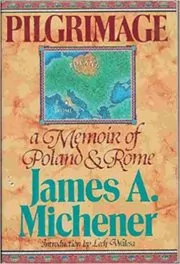
Pilgrimage
by James A. Michener
1990
A memoir reflecting on a trip Michener took to Poland and Rome in 1988. He discusses his meetings with Pope John Paul II and Lech Wałęsa, mixing travel observation with personal introspection.

The Eagle and the Raven
by James A. Michener
1990
A historical novella contrasting the lives of Sam Houston and Santa Anna. Originally intended for the novel *Texas*, this standalone work explores the personalities of the two leaders who clashed at San Jacinto.

The Novel
by James A. Michener
1991
A story about the book world itself, told from the perspectives of a writer, an editor, a critic, and a reader. Michener uses the structure to explore the tensions and craft involved in creating literature.
The World is My Home
by James A. Michener
1991
Michener’s comprehensive autobiography. He looks back on his origins as a foundling, his wide-ranging travels, his career as a writer, and the real-life experiences that inspired his fiction.
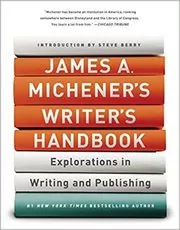
James A. Michener's Writer's Handbook
by James A. Michener
1992
A guide to the craft of writing and the business of publishing. Michener shares practical advice, personal anecdotes, and thoughts on grammar, editing, and the writer's life.
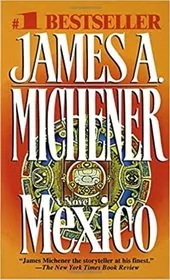
Mexico
by James A. Michener
1992
An American journalist returns to Mexico to cover a bullfighting festival and investigate his family roots. The novel interweaves the modern narrative with flashbacks to the history of the land, from indigenous civilizations to the revolution.
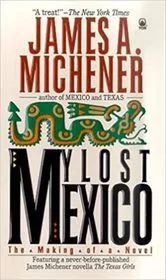
My Lost Mexico
by James A. Michener
1992
The non-fiction story behind the novel *Mexico*. Michener recounts how he started the book decades earlier, lost the manuscript, and eventually rediscovered and completed it late in life.

Creatures of the Kingdom
by James A. Michener
1993
A collection of animal stories selected from Michener’s novels. It features memorable creatures from his varying settings, including a diplodocus from Colorado and a beaver from the Chesapeake.
Literary Reflections
by James A. Michener
1993
A collection of essays and reminiscences about literature. Michener discusses his favorite writers, the influence of the classics, and his own experiences in the literary world.
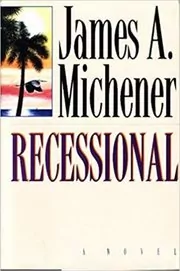
Recessional
by James A. Michener & Steve Berry
1994
Set in a retirement community in Florida, this novel explores the lives, loves, and challenges of the elderly residents. It offers a thoughtful look at aging and the desire to remain vital until the end.

Miracle in Seville
by James A. Michener
1995
A short novel about a bullfight in Seville, Spain. It focuses on the pageantry, the spiritual dimensions of the spectacle, and a seemingly miraculous event that occurs in the ring.
Ventures In Editing
by James A. Michener
1995
A commentary on the editorial process, offering Michener's insights into the collaboration between author and editor. It serves as a companion piece to his other writings on the craft.

The Whiz Kids And the 1950 Pennant
by Robin Roberts, James A. Michener & C. Paul Rogers III
1996
A non-fiction account of the 1950 Philadelphia Phillies, known as the 'Whiz Kids.' Michener, a lifelong fan, recounts the team's improbable run to the pennant and his own memories of that season.

This Noble Land
by James A. Michener
1996
Subtitled *My Vision for America*, this non-fiction work outlines Michener’s hopes and concerns for the country's future. He discusses social inequality, political division, and the strengths that he believes endure.
This Noble Land: My Vision for America
by James A. Michener
1996
Michener offers a personal assessment of the United States and the pressures he believed imperiled its future. Drawing on history and his long public life, he considers racial conflict, inequality, education, health care, and the values needed to address them.
On Glorious Wings
by Stephen Coonts & James A. Michener
2003
In this anthology, Coonts gathers classic flying fiction and excerpts from authors such as Joseph Heller, James Michener, and others, plus his own work. The pieces span rickety biplanes to futuristic jets, celebrating a century of aviation in war and peace.
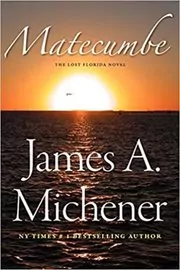
Matecumbe
by James A. Michener
2007
A posthumously published short novel set in the Florida Keys. It tells the parallel stories of a mother and daughter, exploring relationships and emotional resilience in a more intimate style than his usual epics.
Islam
by James A. Michener & Maḥmūd Shabīb
2017
A short work, originally an essay titled *The Misunderstood Religion*, in which Michener attempts to explain the history and tenets of Islam to a Western audience, aiming to bridge cultural gaps.
Where to start with James A Michener
If you want the classic Michener epic:
Hawaii → The Source → Centennial
If you prefer his earlier, shorter fiction:
Tales of the South Pacific → The Bridges at Toko-ri → Sayonara
If you are interested in his non-fiction and memoirs:
Iberia → The World is My Home
James A Michener collections, short stories, and related book types
Short Story Collections
Non-Fiction

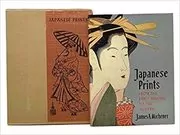
Japanese Prints from Early Masters to the Modern
by James A. Michener
1959From the Early Masters to the Modern


Presidential Lottery: The Reckless Gamble in Our Electoral System
by James A. Michener & Sam Sloan
1969The Reckless Gamble in Our Electoral System


James A. Michener's USA: The People and The Land
by James A. Michener & Peter Chaitin
1988The People and The Land

James A. Michener's Writer's Handbook: Explorations in Writing and Publishing
by James A. Michener
1992Explorations in Writing and Publishing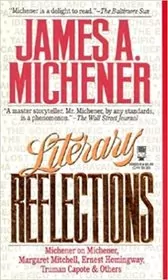



Baseball in America
Anthologies
This Was Your War
by James A. Michener
1960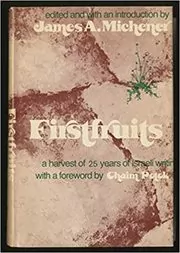
Firstfruits: A Harvest of 25 Years of Israeli Writing
by James A. Michener
1973A Harvest of 25 Years of Israeli Writing
by Irwin Shaw, JG Ballard, Nevil Shute, Ewen Montagu, James Jones, W. Stanley Moss, James A. Michener, Richard Hillary, Kurt Vonnegut, Evelyn Waugh, Norman Mailer, Charles James Rolo, Bruce Marshall, Paul Brickhill, Graham Brooks, Cornelius Ryan, R. J. Minney, Lindsay Baly, P. R. Reed, Guy Gibson, Nella Last, Joseph Heller, Martha Gellhorn, Raymond Paull, H. E. Bates, Ronald Seth, John Prebble, Nancy Wake, F. J. Salfeld, John Steinbeck, Nicholas Monsarrat, R. L. Crimp, James Aldridge, Robert J. Casey & John Hersey
1989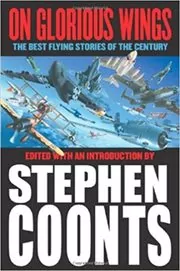
Standalone James A. Michener books
Author bio
James A. Michener (1907–1997) was more than just a bestselling author; for decades, he was a literary phenomenon. If you visited a bookshop or a library in the second half of the twentieth century, you almost certainly saw his name. It was usually printed in bold letters on the spine of a very thick, very popular book.
He became famous for inventing a specific kind of storytelling: the sweeping, multi-generational saga that tries to capture absolutely everything about a place.
His own beginnings were as mysterious as some of the plots he later wove. Born in New York City, Michener was raised as a foundling by a Quaker widow in Doylestown, Pennsylvania. He never knew who his biological parents were. That missing piece of his personal history seemed to fuel a lifelong curiosity about where things come from and how different people are connected.
He was a bright, athletic student who attended Swarthmore College on a basketball scholarship. Before he became a household name, he spent years teaching English and traveling, gaining a wide view of the world.
World War II changed the entire trajectory of his life. Michener was already in his thirties when the conflict began. Although his Quaker background allowed him to avoid fighting, he waived his exemption to enlist in the U.S. Navy.
Fate intervened in a strange way. His commanders mistook him for the son of Admiral Marc Mitscher. Because of this clerical error, he was sent on roving assignments across the South Pacific rather than being stuck behind a desk. He spent his time absorbing the island cultures, the chatter of soldiers, and the humid, tense atmosphere of the war.
He turned those experiences into Tales of the South Pacific. Published when he was 40 years old, the book was a late start for a debut author. It surprised everyone by winning the Pulitzer Prize. Soon after, it was adapted into the legendary musical South Pacific, launching a massive writing career.
Michener soon established his signature template. He wrote massive, meticulously researched novels that explored the history of a specific place. But he didn't just start with the first human settlers. He often started with the cooling of the earth, the formation of the bedrock, and the arrival of the first plants.
Whether writing about the Holy Land in The Source, the American West in Centennial, or the islands of Hawaii, Michener immersed himself in the location. He would move there for months or even years. He blended fictional families with real historical figures to dramatize the conflicts, migrations, and triumphs that shaped regions over centuries.
Readers loved this approach. He made complex history feel personal and accessible.
Outside of his writing, Michener was a dedicated public servant and a generous philanthropist. He ran for Congress in 1962 and later served as a special advisor to NASA, a role that inspired his novel Space.
He also believed in giving back. Over his lifetime, he donated millions of dollars to educational institutions. This includes the University of Texas at Austin, where the Michener Center for Writers continues to support new authors today. He spent his final years in Austin with his third wife, Mari Yoriko Sabusawa, who was his partner in both life and travel.
Michener’s work remains unique in its scope. He was a writer who didn't just tell a story; he built entire worlds from the ground up. By the time he passed away in 1997, he had taught millions of readers about history, culture, and the shared human experience.













Edited by
Software engineer whose passion for tracking book recommendations from podcasts inspired the creation of MRB.
Lead investor at 3one4 Capital whose startup expertise and love for books helped shape MRB and its growth.
Comments
Did we miss something? Have feedback?
Help us improve this page by sharing your thoughts