
Jack London Books in Order
Explore Jack London's books in order, with reading lists, story summaries, series background, and simple guidance on where to start with his classics.
Last updated:
As an Amazon Associate, we earn from qualifying purchases (at no extra cost to you).
Jack London books in publication order
153 books

The Wisdom Of The Trail
by Jack London
1899
Guiding a mixed party of Indigenous followers and white travelers through the Yukon, Sitka Charley upholds the hard law of the trail when food runs short. This tense story weighs honor, justice, and survival in a landscape that offers no mercy.

Dutch Courage
by Jack London
1900
Dutch Courage gathers some of London’s earliest adventures, from storm tossed ships to river raids and mountain climbs. Young sailors and wanderers learn hard lessons about bravery, fear, and the thin line between daring and recklessness.

The Man with the Gash
by Jack London
1900
Set in the northern gold fields, this tale centers on a mysterious, scarred stranger whose arrival brings violence and unsettled debts. Around a winter camp, men test courage and loyalty while trying to read the threat behind that livid mark.
The Son of the Wolf
by Jack London
1900
This collection of early Yukon stories follows prospectors, trappers, and Indigenous people struggling through Arctic winters and moral tests. Each tale captures the harsh beauty of the far North and the fragile codes of honor that keep men alive on the trail.
The God of His Fathers
by Jack London
1901
Set during the Klondike rush, these stories pit missionaries, outcasts, and Native communities against the merciless Yukon and one another. London explores faith, vengeance, and the price of holding to one’s beliefs when survival is at stake.

A Daughter of the Aurora
by Jack London
1902
In a remote Alaska outpost, a sharp witted woman of the North plays suitors and gamblers against each other. London mixes flirtation, poker, and shifting alliances into a brisk story about independence under the northern lights.
A Daughter of the Snows
by Jack London
1902
Frona Welse, a strong willed Stanford graduate, shocks Dawson City by befriending a prostitute and defying social expectations. In the frozen North she faces treacherous trails, rival suitors, and moral choices that test her independence and ideals.
Burning Daylight
by Jack London
1902
Elam “Burning Daylight” Harnish rides the early Klondike stampede to wealth, then carries his gambling instincts into high finance in San Francisco. The novel follows his rise, corruption, and search for a simpler life that money alone cannot buy.
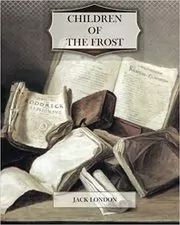
Children of the Frost
by Jack London
1902
These Arctic stories center on Indigenous families and outsiders colliding along ice choked coasts and forest camps. London shows how tradition, colonial pressure, and the brutal climate shape choices about honor, loyalty, and survival.
The Cruise of the Dazzler
by Jack London
1902
A restless San Francisco schoolboy runs away to sea aboard the sloop Dazzler and finds himself among smugglers and bay pirates. Torn between excitement and danger, he must decide what kind of life he wants before the law and the tides catch up with him.

The Death of Ligoun
by Jack London
1902
An old storyteller recounts how the proud Chilkat warrior Ligoun met his fate at a tense gathering of rival chiefs. Honor codes, blood feuds, and a single knife stroke decide who lives and who falls in this vividly told northern legend.
The Faith of Men
by Jack London
1902
A set of Yukon tales that range from speculative mammoth hunts to bitter gold field betrayals, this collection probes what people cling to when the temperature drops and fortunes vanish. Greed, courage, and strange acts of loyalty all play out against the snow.

Amateur Night
by Jack London
1903
A supposedly harmless amateur show turns serious when pride, grudges, and hidden talents collide on stage. The story pokes fun at small time performers while recognizing how much these brief moments of applause can matter.

Demetrios Contos
by Jack London
1903
One of London’s San Francisco Bay stories, this piece follows Greek fisherman Demetrios as he clashes with the law and rival crews. Pride, quick temper, and the lure of easy money drive him toward a risky showdown on the water.

How I Became a Socialist
by Jack London
1903
In this personal essay London traces how years of hard labor, unemployment, and life among the very poor convinced him that capitalism was rigged. He explains, in blunt, story filled prose, why he turned to socialism and agitation instead of resignation.
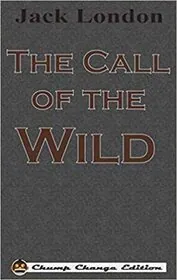
The Call of the Wild
by Jack London
1903
Stolen from a comfortable home in California and sold into the Yukon sled dog trade, Buck is forced to learn the brutal law of club and fang. As the trail hardens him and the wild calls more strongly, he must choose between loyalty to men and freedom in the wilderness.

The Call of the Wild and Typhoon
by Jack London
1903
This volume pairs The Call of the Wild with an additional sea going tale, offering both Buck’s transformation into a creature of the North and a violent storm story. Together they showcase London’s feel for animals, weather, and men under pressure.
The Kempton-Wace Letters
by Jack London
1903
Told in letters between two friends, this novel debates romantic love versus scientific matchmaking. As theory collides with real feeling, the correspondents’ tidy ideas about breeding, class, and desire begin to fray.

The Marriage of Lit-Lit
by Jack London
1903
A young Native woman named Lit-Lit finds herself caught between an arranged match and her own desires in a Yukon trading post. London uses her story to explore love, bargaining, and the unequal power white traders wield in Indigenous communities.

The People of the Abyss
by Jack London
1903
London’s nonfiction account of living among the poor in London’s East End, this book describes workhouses, doss houses, and street life in unsparing detail. It is both reportage and an angry indictment of urban poverty.

The Shadow and the Flash
by Jack London
1903
Two rival scientists, one obsessed with invisibility and the other with blinding speed, race to outdo each other with dangerous experiments. Their escalating feud turns a scientific curiosity into a bizarre, deadly showdown.

To Build a Fire
by Jack London
1903
A lone traveler and his dog push through Arctic cold despite warnings, trusting reason over instinct as temperatures plummet. Each failed attempt to light a life saving fire brings him closer to the brutal lesson the North is about to teach.
The Sea-Wolf
by Jack London
1904
After a fogbound ferry collision, literary critic Humphrey Van Weyden is rescued by the seal hunting ship Ghost and its brutal captain, Wolf Larsen. Forced into hard labor at sea, he must toughen his body and beliefs while matching wits with a man who lives by raw strength alone.

Love Of Life
by Jack London
1905
A starving prospector crawls across the northern tundra, locked in a slow, terrible race with a stalking wolf. The other stories here share that stripped down focus on bodies under extreme stress and the stubborn instinct that keeps them moving.
Tales of the Fish Patrol
by Jack London
1905
Drawing on London’s teen years on San Francisco Bay, these linked stories follow a young officer of the Fish Patrol battling oyster pirates and smugglers. Quick chases, risky boardings, and rough justice show the thin line between outlaw and lawman.

The Call of the Wild and Selected Stories
by Jack London
1905
Combining The Call of the Wild with a handful of key short stories, this collection offers an ideal introduction to London. Readers get Buck’s full saga along with compact tales of the trail, the sea, and the city.

The Game
by Jack London
1905
Prizefighter Joe Fleming steps into the ring one last time before marrying the woman he loves, hoping to leave boxing on his own terms. The bout that follows is both a celebration of courage and a stark look at the costs hidden behind a cheering crowd.

What Life Means to Me
by Jack London
1905
Looking back from literary success on a youth of poverty and manual labor, London explains what he believes gives life purpose. He contrasts money chasing with meaningful work and solidarity, arguing for a life spent in struggle rather than comfort alone.

A Day's Lodging
by Jack London
1906
Two wanderers seek shelter from a storm in an isolated cabin and find their wary hostess as desperate for company as they are for warmth. Over a single day and night, chance brings confessions, small kindnesses, and a parting that feels larger than it looks.
Before Adam
by Jack London
1906
A modern man is haunted by vivid ancestral dreams in which he lives as a prehistoric hunter among rival tribes and lurking predators. Through these visions London imagines early human society, fear, and ingenuity at the edge of evolution.

Brown Wolf
by Jack London
1906
Brown Wolf lives a settled life with a California couple until a stranger appears who may know the dog’s wilder past. The story turns on the tug between remembered wilderness and the comforts of hearth and home.

Brown Wolf and Other Stories
by Jack London
1906
Centered on the tale of Brown Wolf, a dog torn between wild freedom and domestic comfort, this volume gathers several animal stories. Each explores loyalty, instinct, and the pull of the wild in different corners of London’s fictional world.
Moon-Face
by Jack London
1906
This dark collection opens with a narrator obsessed with destroying an innocent man simply because he dislikes the man’s face. Other tales mix black humor, irony, and sudden violence as London plays with envy, revenge, and the strange twists of fate.

The Call of the Wild, White Fang, and Other Stories
by Jack London
1906
This omnibus places London’s two classic dog novels alongside a selection of shorter pieces. Together they trace his recurring themes of survival, brutality, and hard won loyalty in both animal and human lives.

The War of the Classes
by Jack London
1906
A collection of essays and speeches, The War of the Classes lays out London’s socialist views on labor, capital, and class struggle. He argues that conflict between workers and owners is built into the system and calls openly for change.
White Fang
by Jack London
1906
Born in the Yukon wild to a wolf mother and dog father, White Fang learns early that life means kill or be killed. Passed from Native camp to cruel owner to kinder hands, he must unlearn brutality and decide whether he can trust human beings at all.

Flush of Gold
by Jack London
1907
In a remote Yukon cabin, a prospector and his young Indigenous partner shelter a mysterious woman fleeing the trail. As storms close in, stories of love, betrayal, and elusive gold mingle with growing suspicion about what she is really after.
The Cruise of the Snark
by Jack London
1907
In this travel narrative London recounts his voyage with Charmian on their small ketch Snark through Hawaii, the South Seas, and Australia. Storms, illness, and close contact with island cultures sit beside moments of sheer pleasure under the trade winds.

The Enemy of All the World
by Jack London
1907
This early science fiction tale introduces a brilliant, embittered inventor whose terrifying weapon threatens every nation. Told as a report on a hunted super criminal, it blends political warning with a fast moving pursuit across the globe.

The Passing of Marcus O'Brien
by Jack London
1907
When boisterous Marcus O’Brien, self styled king of a Yukon camp, finally meets his end, the men who knew him trade stories. Their rough eulogies sketch a larger than life figure made up of generosity, bluff, and a taste for risk.
The Road
by Jack London
1907
London’s memoir of life as a tramp takes readers onto freight trains, into hobo jungles, and through jail cells across America. He mixes gritty detail, slang, and self reflection to show how hunger and curiosity pushed him down the rails and back again.

Aloha OE
by Jack London
1908
A young Hawaiian princess and an American youth share a brief, intense shipboard romance that can never survive on shore. London captures the sweetness and sadness of a farewell that must be final.

The Heathen
by Jack London
1908
Shipwreck throws a white sailor and a Pacific Islander together on a fragile raft, where the islander’s strength and generosity keep them alive. London uses their friendship to question who is truly “civilized” when the sea washes away status.

The Iron Heel
by Jack London
1908
Framed as a manuscript discovered centuries in the future, this novel follows socialist Ernest Everhard and his wife Avis as a corporate oligarchy seizes power in the United States. Their failed uprising becomes a grim warning about how easily democracy can slide into dictatorship.

To Build a Fire and Other Stories
by Jack London
1908
Anchored by the classic story To Build a Fire, this collection offers more of London’s stark Yukon tales. Frozen rivers, wolf packs, and desperate men face off in episodes that show both the grandeur and indifference of the North.
Martin Eden
by Jack London
1909
Working class sailor Martin Eden falls in love with a bourgeois young woman and decides to reinvent himself as a writer. As rejections pile up and his talent finally blooms, he discovers that literary success and social status do not bring the meaning he expected.

Revolution and Other Essays
by Jack London
1909
Here London gathers essays on socialism, race, war, and literature under the provocative title Revolution. The pieces combine personal experience with polemic, offering a direct window into his political thinking.

The Madness of John Harned
by Jack London
1909
At a bullfight in South America, the quiet John Harned snaps under the spectacle of cruelty, shocking everyone who thought they knew him. London uses the incident to question what “madness” means in a world that applauds blood sport.
The Strength of the Strong
by Jack London
1909
Stories in this collection use tribal myths, prehistoric settings, and parables to ask why people band together and how power hardens into law. London links cave fires, labor struggles, and modern politics through his recurring theme that strength comes in numbers.

The Benefit of the Doubt
by Jack London
1910
This courtroom story follows a man whose fate hangs on how a judge interprets reasonable doubt. Through testimony and twist, London highlights how the letter of the law can serve mercy or injustice depending on who wields it.

The Eternity of Forms
by Jack London
1910
This philosophical sketch toys with the idea that patterns outlast individual lives. Through a simple meeting and parting, London reflects on how love, fear, and desire repeat themselves across generations.

The Taste of the Meat
by Jack London
1910
A brief but intense northern story in which starving men close to their limits face a choice between honor and cannibalism. London lets the cold, the hunger, and a few hard decisions carry the horror rather than any lurid detail.

Theft
by Jack London
1910
A sharp little tale of political intrigue, Theft follows a woman who steals incriminating letters to protect her reformist husband. The story turns on deception, divided loyalties, and how far idealists will go when faced with old scandals.

A Daughter of the Aurora/A Piece of Steak
by Jack London
1911
This volume couples a Yukon romance about a tough, resourceful woman of the North with a famous boxing story about an aging fighter desperate for one last payday. Both pieces examine pride, endurance, and the costs of staying in the game too long.
Adventure
by Jack London
1911
On a remote South Pacific plantation, a fever stricken English trader and an American woman thrown ashore are forced into partnership. Amid storms, disease, and violent clashes with local powers, their uneasy alliance grows into a test of courage and love.

Hearts of Three
by Jack London
1911
Hearts of Three is a fast moving treasure hunt in which a young New Yorker teams up with a bold distant cousin to seek a lost fortune in Central America. Secret maps, underground rivers, and shifting alliances give it the feel of a pulp adventure serial.
South Sea Tales
by Jack London
1911
These stories roam across Pacific islands where traders, missionaries, beachcombers, and islanders collide. London mixes lush settings with hard edged encounters over labor, land, race, and desire in a world shaped by empire and the sea.

The Abysmal Brute
by Jack London
1911
This boxing novel follows a shy mountain youth whose raw fighting talent propels him into the corrupt world of professional prizefights. As he learns how bouts are fixed and careers are bought, he must decide whether to play along or tear the system open.
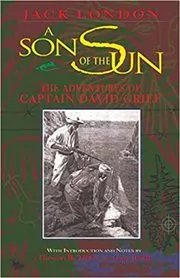
A Son of the Sun
by Jack London
1912
Linked tales about Captain David Grief, a shrewd trader in the South Seas, pit him against con men, pirates, and tropical fevers. Each episode shows a different corner of the islands and the sharp bargaining that underpins empire at the equator.
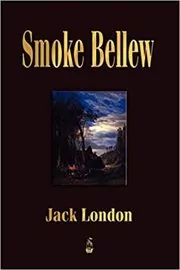
Smoke Bellew
by Jack London
1912
Frederick “Smoke” Bellew, a soft city journalist, remakes himself as a hardened prospector in the Klondike. Through a series of linked adventures he faces blizzards, crooked gamblers, and wild stampedes, discovering both his limits and his taste for risk.
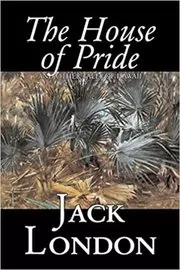
The House of Pride
by Jack London
1912
Set largely in Hawaii, these stories explore clashes between native islanders, American settlers, and Asian laborers. London looks at pride and prejudice on sugar plantations and in Honolulu streets, where old customs and new money grind against each other.
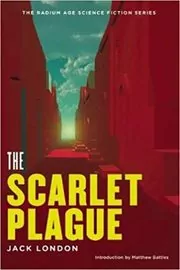
The Scarlet Plague
by Jack London
1912
Set decades after a swift, deadly pandemic has wiped out most of humanity, this novella follows an old survivor guiding feral grandchildren through ruined California. Around the campfire he recounts how civilization fell and what people did when order vanished overnight.

John Barleycorn
by Jack London
1913
In this autobiographical book London traces his lifelong drinking, from waterfront saloons to literary banquets. He celebrates the camaraderie of the barroom even as he dissects alcohol’s grip on his mind and the dark philosophy he calls White Logic.

The Night-Born and Other Stories
by Jack London
1913
Expanding on the Night Born collection, this volume gathers more tales of passion, hardship, and strange turns of luck. The settings vary, but the focus stays on people pushed to reveal who they really are.
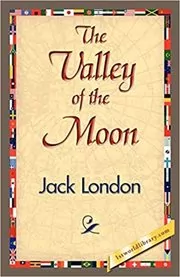
The Valley of the Moon
by Jack London
1913
Disillusioned with grim urban jobs and class conflict in Oakland, working couple Billy and Saxon set out across California looking for land they can farm. Their search becomes a travelogue of the state and a quiet argument for a simpler, self directed life.

At the Rainbow's End
by Jack London
1914
Two prospectors, one optimistic and one embittered, race each other for a last chance at Klondike riches. Their rivalry forces a choice between friendship and fortune when they finally reach the metaphorical rainbow’s end.

The Jacket
by Jack London
1914
Also known as The Star Rover, this prison novel follows Darrell Standing, locked in a straitjacket, as he escapes through vivid journeys into past lives. The narrative moves between torture cells and sweeping historical visions, blurring reality and trance.
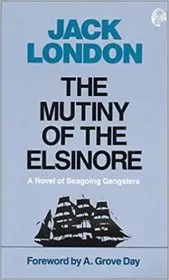
The Mutiny of the Elsinore
by Jack London
1914
A wealthy writer signs on a grim Cape Horn voyage aboard the Elsinore, only to be trapped between a cruel captain and a brutal crew. When discipline collapses into mutiny, he is forced into leadership on a ship sliding toward chaos.
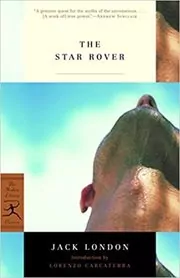
The Star Rover
by Jack London
1914
Imprisoned in a straitjacket, condemned man Darrell Standing escapes through trances that send him into past lives across centuries and continents. The novel moves between prison brutality and visionary journeys, questioning what identity and freedom really mean.
Recommended by
1 person Zack D'Aleo recommended this book
Zack D'Aleo
"Il mio libro preferito in assoluto, quello che mi ha fatto capire cosa fare nella vita." - Zac D'Aleo
Zack D'Aleo's recommendation of this book
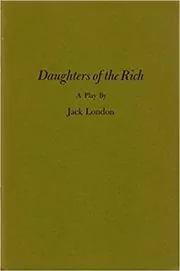
Daughters of the Rich
by Jack London
1915
This early society novel follows the entanglements of wealthy young women and ambitious men in San Francisco. London uses parties, engagements, and financial schemes to poke at class privilege, romantic illusions, and the hidden costs of marrying money.

In Hawaii with Jack London
by Jack London
1916
This volume brings together London’s Hawaiian writings, from travel sketches to fiction, painting a portrait of the islands in the early twentieth century. Surfing scenes, leper colonies, and plantation life all appear through his outsider’s eye.
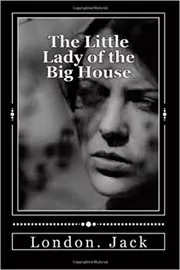
The Little Lady of the Big House
by Jack London
1916
On a prosperous California ranch, energetic Paula Ferguson finds herself torn between her practical husband and his intense friend. The love triangle unfolds against a backdrop of horses, ranch work, and conversations about freedom, loyalty, and the kinds of lives people settle for.
The Turtles of Tasman
by Jack London
1916
These stories, many written late in London’s life, range from South Seas adventures to quiet character pieces. Again and again they return to brothers, rivals, and wanderers trying to outlast time, chance, and their own temperaments.

When Alice Told Her Soul
by Jack London
1916
In this introspective tale, a woman confronts the quiet lies she has been telling herself about love and compromise. A single honest conversation forces her to weigh safety against the risk of living more fully.
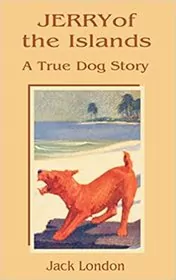
Jerry of the Islands
by Jack London
1917
Born on a Solomon Islands plantation and handed over to a labor recruiting schooner, Irish terrier Jerry is swept into raids, shipwreck, and capture by island villagers. His journey from tool of empire to cherished companion exposes both cruelty and kindness in a colonized world.
Michael Brother of Jerry
by Jack London
1917
Michael, Jerry’s brother, serves first as a ship’s dog on a recruiting vessel, then falls into the hands of a steward who takes him around the world. From docks to music halls, Michael endures harsh training and rare affection, making this as much an animal welfare novel as an adventure.
The Human Drift
by Jack London
1917
In this collection of essays and sketches, London muses on topics from sea wanderings to social change. He blends travel observation, speculation about history’s tides, and outspoken opinions on work, war, and the future of humanity.
On the Makaloa Mat
by Jack London
1919
Set mostly in Hawaii, these stories are framed by friends lounging on a woven mat, trading tales beneath the trees. Love affairs, family grudges, and cross cultural misunderstandings unfold in an island world where old traditions and Western influence collide.

The Bones of Kahekili
by Jack London
1919
Set in Hawaii, this story weaves local legend about the bones of a fierce chief into a modern clash over land and respect. Superstition, greed, and stubborn pride build toward an eerie reckoning.

Essays of Revolt
by Jack London
1926
Edited after London’s death, Essays of Revolt selects some of his most radical articles on class, empire, and resistance. It distills his angriest, most uncompromising prose about the world he saw around him.

The Sun-Dog Trail And Other Stories
by Jack London
1951
The title story follows a grueling northern journey made under a ring of light in the winter sky, while the other pieces revisit London’s favorite terrains of ice, sea, and frontier towns. Together they offer a compact tour of his adventure writing.

Jack London's California
by Jack London
1955
Focusing on his home state, this collection gathers writings that range from San Francisco waterfront sketches to Sonoma ranch reflections. It shows how California’s boomtowns, hills, and harbors shaped London’s imagination.
The Assassination Bureau, Ltd.
by Jack London
1963
In this posthumously completed thriller, a secret organization offers to kill anyone for a price, claiming to serve justice where the law fails. When its idealistic founder becomes the target, he must dismantle the ruthless machine he built.

White Fang, and Other Stories
by Jack London
1963
Alongside the complete text of White Fang, this volume includes selected shorter works that echo its themes of wildness, cruelty, and the possibility of trust. It is aimed at readers who want both the famous novel and a sampling of London’s shorter fiction.

The Sea-Wolf and Other Stories
by Jack London
1964
Pairing The Sea-Wolf with several additional tales of ships and storms, this book highlights London’s feel for life before the mast. Readers get both the psychological duel between Hump and Wolf Larsen and briefer episodes of danger at sea.

Stories of Hawaii
by Jack London
1965
Collected here are London’s Hawaiian short stories, featuring surfers, paniolo cowboys, planters, and drifters. The pieces explore cultural collision, romance, and illness against a backdrop of volcanoes, beaches, and sugar fields.

Tales of Hawaii
by Jack London
1965
Tales of Hawaii gathers several of London’s island stories into one volume. Expect volcanic landscapes, royal feuds, and American newcomers negotiating their place in a changing Pacific.

The Call of the Wild and Other Stories
by Jack London
1965
This edition offers The Call of the Wild together with a handful of complementary stories. It is designed as a compact introduction, balancing Buck’s full journey with shorter glimpses of the same harsh northern world.

Tales of the North
by Jack London
1968
This anthology brings together some of London’s best known northern stories, from dog tales to prospectors’ yarns. It offers a concentrated dose of snow, hunger, and hard choices under the aurora.

The Science Fiction Stories of Jack London
by Jack London
1975
Collecting London’s speculative work, this book includes tales of future dystopias, strange inventions, and eerie discoveries. It shows another side of the author better known for dogs and sailors, but equally interested in where technology and power might lead.

No Mentor But Myself
by Jack London
1978
This collection assembles London’s writings about writing, including essays, reviews, and letters on craft and publishing. It reveals the disciplined worker behind the adventurer image and offers blunt advice to would be authors.

Sporting Blood
by Jack London
1981
Sporting Blood gathers London’s best sports writing, from boxing rings to horse tracks. The pieces revel in competition while also questioning the costs paid in sweat, injury, and sometimes lives.

The Unabridged Jack London
by Jack London
1981
A hefty omnibus, this volume gathers several of London’s major novels and story collections in one place. It is meant for readers who want a single book that spans Klondike adventures, sea stories, social novels, and political fiction.

Klondike Tales
by Jack London
1982
As the title suggests, Klondike Tales focuses on London’s Yukon fiction, following stampeders, gamblers, and Indigenous families. The selected stories emphasize brutal winters, sudden fortune, and the thin margin between life and death in gold country.

The Dream of Debs/Account of the San Francisco Cooks & Waiters Strike
by Jack London
1985
This slim volume pairs The Dream of Debs, a story imagining a massive general strike led by a labor leader, with London’s journalistic account of a real San Francisco strike. Together they blend fiction and reportage to argue for worker solidarity.

Curious Fragments
by Jack London
1986
Curious Fragments gathers shorter pieces, sketches, and odds and ends that did not fit easily elsewhere in London’s oeuvre. Readers get glimpses of abandoned ideas, experiments in style, and revealing asides about his interests.

Tales of the Pacific
by Jack London
1989
This collection turns from ice to the tropics, gathering South Seas stories of traders, blackbirders, castaways, and islanders. Heat, reefs, and sudden squalls replace snow, but the stakes remain just as high.

The Collected Jack London
by Jack London
1991
An all in one volume of selected novels and stories, The Collected Jack London aims to showcase the range of his work. Dog epics, sea adventures, social protests, and autobiographical pieces sit side by side.

Five Great Short Stories
by Jack London
1992
This pocket collection presents a handful of London’s strongest stories in one inexpensive volume. It is ideal for readers who want a quick taste of his northern and nautical worlds without committing to a larger book.

The Yukon Writings of Jack London
by Jack London
1996
Gathering fiction and nonfiction about the far North, this book highlights the period when London drew directly on his Klondike experiences. It includes survival tales, character sketches, and reflections on the rush itself.
Where to start with Jack London
If you want his most famous dog stories first: The Call of the Wild → White Fang → The Call of the Wild and Other Stories.
If you enjoy psychological and sea adventures: The Sea-Wolf → The Mutiny of the Elsinore → Stories of Ships and the Sea.
If you prefer character driven drama about artists and work: Martin Eden → The Valley of the Moon → The Little Lady of the Big House.
If you are curious about his politics and reportage: The People of the Abyss → The War of the Classes → Revolution and Other Essays.
If you like autobiographical adventure: The Road → John Barleycorn → The Cruise of the Snark.
Jack London sub-series and character series
Dogs of the Islands books in order
Explore this seriesDogs of the Islands books in chronological order
Jack London collections, short stories, and related book types
Short Stories/Novellas
Short Story Collections
Non-Fiction
Standalone Jack London books
Author bio
Jack London was born John Griffith Chaney in San Francisco in 1876 and grew up in and around Oakland, where money was scarce but stories were everywhere. He took his stepfather's surname, found refuge in the public library, and began to imagine a life beyond the waterfront and factory floor.
As a teenager he worked long shifts in a cannery, then borrowed money to buy a small sloop and briefly made his living as an oyster pirate on San Francisco Bay. When that life ran its course, he signed onto a sealing ship bound for Japan, rode freight trains as a hobo across the United States, and even landed in jail for vagrancy, experiences that later fueled his sympathy for the dispossessed.
Those hard years pushed him toward books and politics.
London educated himself on writers like Charles Darwin, Karl Marx, and Friedrich Nietzsche, and he joined the American socialist movement in the 1890s, speaking in public parks and running for office on a socialist ticket. In 1897 he went north to the Klondike Gold Rush, where scurvy, bitter cold, and failure to strike it rich left a deeper mark than any nugget of gold could have. Out of that ordeal came the Yukon stories that made his name, beginning with the collection The Son of the Wolf and leading to the novel The Call of the Wild, in which a stolen sled dog named Buck is thrust from a California estate into the brutal logic of the trail.
London followed that success with White Fang, which reverses the journey and traces a wolf dog's struggle toward domestication, and with sea stories like The Sea-Wolf, where a bookish literary critic is forced to toughen up under the command of the terrifying captain Wolf Larsen. These adventure tales are driven by snowstorms, shipwrecks, and dog fights, but underneath they wrestle with evolution, power, and what it takes to stay human in inhuman conditions.
Not all of his work was set in the wilderness. In Martin Eden he turned his own climb from working sailor to professional writer into a sharp, uneasy portrait of class ambition and disillusionment, while The Iron Heel imagines a future America crushed under a corporate dictatorship, one of the earliest modern dystopias. Alongside these novels he produced political and social nonfiction such as The People of the Abyss, a firsthand report on life in the slums of London's East End.
He also wrote about his own life with unvarnished candor. The Road recounts his years as a tramp and freight train rider, while John Barleycorn reflects on the long, complicated relationship he had with alcohol, mixing barroom stories with an unsentimental look at addiction and masculinity.
Animals and justice were constant concerns.
London used his South Pacific dog novels Jerry of the Islands and Michael, Brother of Jerry to protest the brutal training of performing animals, and he never entirely separated questions of cruelty to animals from questions of power over people.
In 1905 he bought land in Sonoma County, California, and began building what he called his Beauty Ranch, pouring royalties into experiments in sustainable farming while he kept up a ferocious writing pace to pay for it all. He traveled widely, voyaging across the Pacific on his ketch Snark, reporting on wars and natural disasters, and then returning to the ranch to write.
London died in 1916 at his ranch near Glen Ellen, only forty years old, after years of illness and overwork, but he left behind some fifty books and hundreds of stories. His best work still feels quick and physical on the page, shaped by a man who had actually frozen, sailed, fought, and wandered through the worlds he described.







Edited by
Software engineer whose passion for tracking book recommendations from podcasts inspired the creation of MRB.
Lead investor at 3one4 Capital whose startup expertise and love for books helped shape MRB and its growth.
Comments
Did we miss something? Have feedback?
Help us improve this page by sharing your thoughts